


Introduction: Stroll Through Lisbon’s Multicultural Neighborhoods
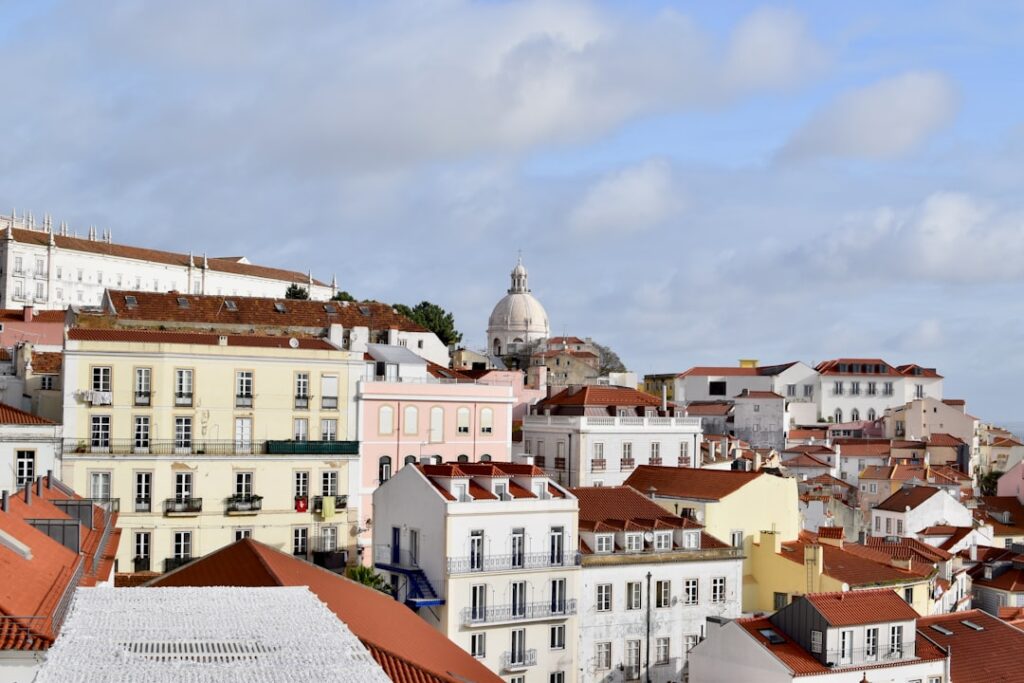
Lisbon is a city of angles, hills and encounters. Beyond the picture-postcard scenes — yellow trams, blue-and-white azulejos, Tagus River sunsets — there’s an equally rich human and cultural map: the multicultural neighborhoods where traditions, languages and cuisines from around the world mix. This walk isn’t just a tourist checklist; it aims to capture the lively atmosphere that animates places like Mouraria, Martim Moniz, Intendente, a mixed Alfama and the modern Parque das Nações. Each of these areas tells a story shaped by waves of immigration, popular music, fragrant markets and family-run micro-businesses that have appeared over the decades.
Contenu de l'article
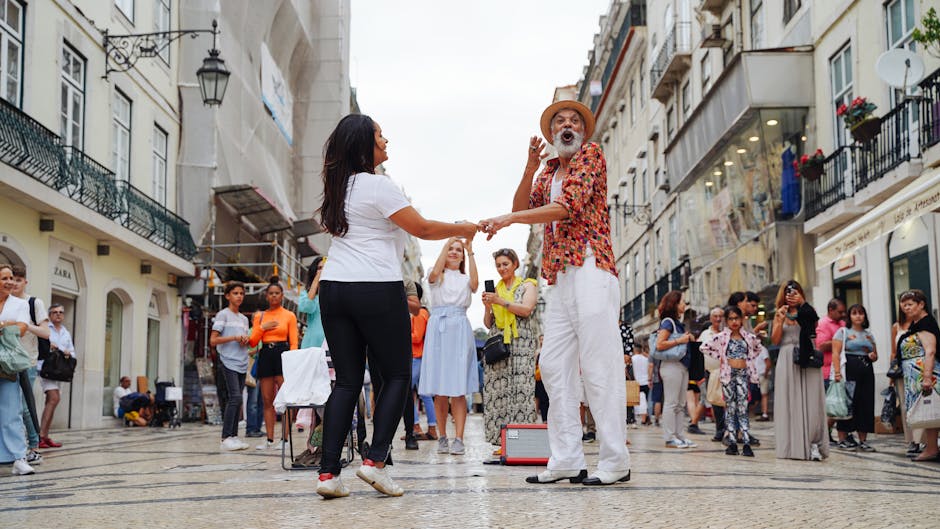
Exploring Lisbon’s multicultural neighborhoods means slowing down to listen: the nasally-tinged fado spilling from an alley, conversations in Hindi or Bengali near a tiny eatery, street vendors bargaining in Arabic, children of diverse backgrounds playing in a shaded square. It also means tasting: a reasonably priced Pakistani curry shared among friends, a reinvented pastel de nata, a late-night bowl of bacalhau and Oriental sweets handed out by a North African grocery. The city generously turns these encounters into everyday experiences — all accessible on foot, by tram or by metro.
This guide offers a walking route through specific spots, with addresses, opening hours, approximate prices and practical tips to help you get the most from each stop. I describe how open-air markets like Feira da Ladra and Mercado de Arroios become hubs of objects and flavors, how diversity is written in the stone and windows of apartment blocks, and where to hear traditional fado as the streets shift into night. You’ll find reliable recommendations: where to withdraw cash, how to avoid the hottest hours, which tram or metro lines to favor, and how to respect local customs when you enter a café or a place of worship.
Finally, this stroll isn’t fixed in stone: Lisbon is a city on the move. Addresses and opening hours may change, but the multicultural spirit remains. I encourage travelers to stay curious and respectful: greet people in Portuguese (“bom dia”, “boa tarde”), ask permission before photographing someone, taste what looks exotic and support local shops. That’s how the city reveals itself — not as a backdrop, but as a living collection of communities that make Lisbon a warm, authentic capital.
Alfama and Its Harmonies: Fado, Azulejos and Encounters
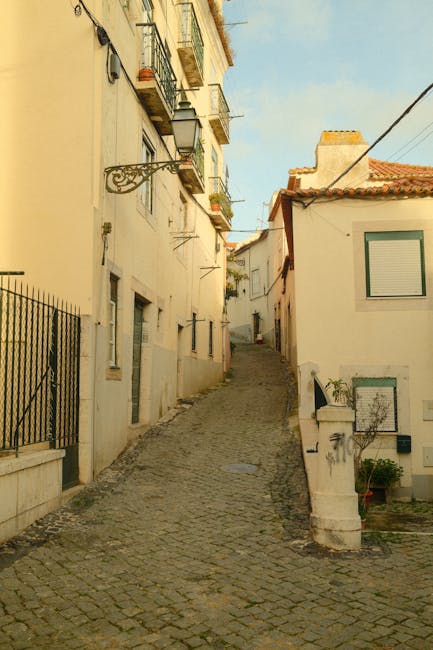
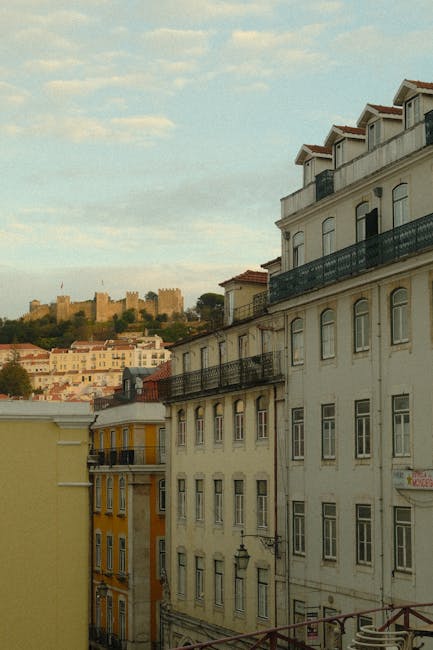
Alfama is often seen as Lisbon’s historic heart — narrow lanes, steep staircases, hanging terraces — but it’s also a laboratory of cultural interaction. Start your walk at Castelo de São Jorge (Rua de Santa Cruz do Castelo, 1100-129 Lisboa). Hours: usually 09:00–21:00 in summer, 09:00–18:00 in winter. Admission: around €10.00 for an adult ticket (check locally for reduced rates). From the top, the panoramic view over the Tagus and terracotta roofs helps you sense the urban density and neighboring quarters where diverse communities live.
Head down toward the Museu do Fado (Largo do Chafariz de Dentro 1, 1100-139 Lisboa). Hours: Tuesday–Sunday 10:00–18:00, closed Monday. Admission: €5.00 for standard entry. The museum traces popular fado and its ability to absorb influences — Brazilian rhythms, African melodies — that shaped the genre. Seeing a live fado performance in a traditional casa de fado here is more than a tourist act: it’s contact with a living memory, often sung by families of diverse origins who have lived in the neighborhood for generations.
 Click here to book a fado evening in Alfama
Small Portuguese groceries sit alongside shops run by immigrant families. Nearby, the Feira da Ladra (Campo de Santa Clara, 1100-472 Lisboa) opens Tuesday and Saturday from 09:00 to 17:00; it’s a flea market where you’ll find everything from antique furniture to clothing and imported goods. Admission is free. This market is a great place to observe coexistence: sellers and buyers from different backgrounds interacting in Portuguese spiced by a variety of accents.
Practical tips: visit Alfama in the mornings for lighter traffic and softer photo light, wear comfortable shoes (cobbles and stairs can be slippery), and carry cash for small shops that don’t always accept cards. Respect residents: avoid making too much noise at night, especially near casas de fado where people sleep early. If you photograph people, ask first — a simple “Posso tirar uma foto?” (May I take a photo?) often opens the door to memorable encounters.
Click here to book your São Jorge Castle ticket
Mouraria and Martim Moniz: The Heart of Diversity
Mouraria is often described as one of Lisbon’s most multicultural neighborhoods. Traditionally a reception area for people from former Portuguese colonies and other countries, it has become a crossroads where Portuguese, Indian, Pakistani, African and, more recently, many Asian communities mingle. Start your exploration at Igreja de São Jorge de Alfama / Igreja de São Vicente de Fora (Largo de São Vicente, 1100-572 Lisboa). Hours: 09:00–18:00; ticket about €4.00 for the basilica and cloister access. The building offers a different perspective on popular architecture and the alleys where small businesses and artisan workshops settle.
Praça Martim Moniz (1100-341 Lisboa) is the modern, multilingual heart of the neighborhood. You’ll find Indian, Pakistani and Nepali restaurants, Turkish tea rooms, and African shops selling fabrics and beauty products. The permanent market and food scene offer affordable dishes: a full meal at a Pakistani restaurant can cost between €6.00 and €10.00. Don’t miss the little Moroccan tea kiosk in the square, where a mint tea often costs under €1.50.
For a more authentic immersion, visit the Mercado de Arroios (Rua de Arroios 70, 1100-028 Lisboa) — a renovated covered market selling local fish, Portuguese vegetables and imported spices. Hours: typically 07:00–19:00. Here, stalls demonstrate coexistence: piri-piri next to harissa, fresh coriander and curry leaves. It’s also an ideal place to talk to vendors and ask for takeaway recommendations.
Local tips: for candid photos of daily life, head to the market in the morning and Martim Moniz square in the late afternoon. Watch out for pickpockets in crowded areas; keep bags zipped and close to your body. If you want to try a dish at a busy ethnic restaurant, arrive early or be prepared to wait — these spots fill up during meal times. Finally, respect dress codes and religious customs: at non-Christian places of worship, check whether visits are allowed and wear modest clothing if required.
Click here to book your ticket to the Monastery of Saint Vincent de Fora
Intendente and Bairro Alto: Bohemian Cafés and Multicultural Workshops
Intendente has undergone a notable urban transformation; once seen as a struggling working-class area, it’s now a creative space alternating cultural associations, friendly bars and world-oriented shops. Start at Praça Dom Pedro IV (Rossio), then follow Rua do Benformoso toward Avenida Almirante Reis to reach Praça do Intendente (1100 Lisboa). The square is ringed with cafés that open early and cultural associations. You’ll find free community events and occasional evening concerts.
Nearby, the Casa do Alentejo (Praça do Espírito Santo 2, 1100-401 Lisboa) — though dedicated to the Alentejo region — is a beautiful example of a cultural space where influences meet. Hours: usually 12:30–15:30 and 19:30–23:00 (restaurant). Prices: main courses between €12.00 and €20.00. The Moorish-style décor makes it a popular stop for both tourists and locals.
Bairro Alto remains Lisbon’s nightlife district, but by day it reveals a patchwork of independent shops and small artist studios. For a multicultural foodie break, head to the Time Out Market / Mercado da Ribeira (Av. 24 de Julho 49, 1200-479 Lisboa). Hours: usually 10:00–02:00; some stalls close earlier. Prices vary: tapas and dishes range from €5.00 to €20.00. The market brings together Portuguese chefs and international culinary entrepreneurs, offering a taste panorama that reflects the city’s diversity.
Practical tips: if you want an alternative, diversity-focused guided tour, look for local tours in English or Portuguese that start from Intendente — they’re often run by neighborhood associations. At night, Bairro Alto gets lively: stick to the smaller alleys for calmer bars, or reserve a table if you’re aiming for a trendy restaurant. For transport, the Metro Green Line (Estação Intendente) and local bus routes are convenient; avoid rush hour if you’re carrying luggage.
Parque das Nações: Modernity and an International Mosaic
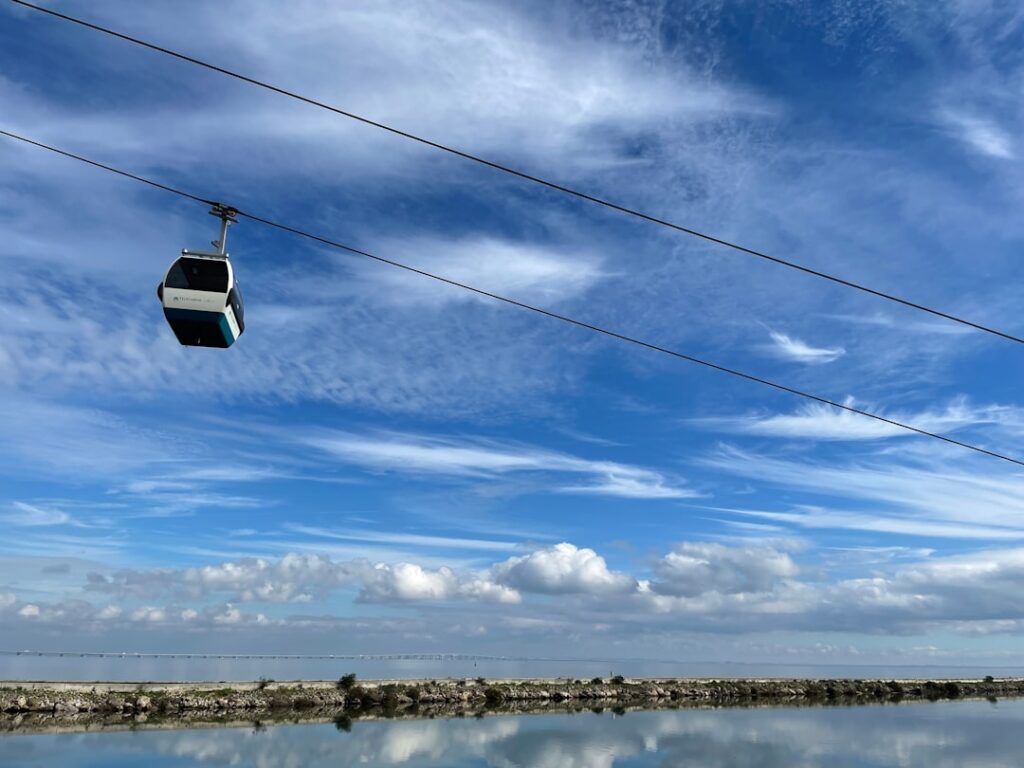
Parque das Nações contrasts sharply with the historic quarters. Built for Expo ’98, it now hosts residents and workers from across the globe, conference centers, international restaurants and expansive public spaces. Start at Gare do Oriente (Av. Dom João II, 1990-233 Lisboa) — a modern transport hub designed by architect Santiago Calatrava. From there, walk along the riverfront to the Oceanário de Lisboa (Esplanada Dom Carlos I s/n, 1990-005 Lisboa). Hours: usually 10:00–19:00; admission: around €19.00 for an adult.
Click here to book your Oceanário de Lisboa ticket
The park and promenades are dotted with European, Asian and Latin American restaurants. Foreign families are visible here, supported by international schools and expat communities. The Centro Vasco da Gama (Av. Dom João II, 1990-095 Lisboa) is a large shopping center for daily needs and quick meals, generally open from 10:00 to 22:00. Prices vary by outlet, but an average meal costs between €8.00 and €18.00.
Among multicultural activities, the FIL – Feira Internacional de Lisboa pavilion (Parque das Nações) regularly hosts international fairs, food festivals and cultural events with variable ticket prices (from €5.00 to €30.00 depending on the event). Tip: check the schedules for Espaço Gare and Pavilhão Carlos Lopes to spot concerts or exhibitions highlighting international artists living in Lisbon.
Practical tips: it can be windy along the riverfront — bring a light jacket even in summer. The neighborhood is family-friendly and accessible (gentle slopes, wide sidewalks). If you want to see the city from the water, take a short boat trip from the Parque das Nações quay: prices around €15.00 per person for a short cruise. For nearby accommodation, look for hotels close to Gare do Oriente for easy access to international transport links.
Conclusion: Listen, Taste and Respect — The Code of the Multicultural Walk
The stroll through Lisbon’s multicultural neighborhoods isn’t just a geographical exploration; it’s an invitation to approach the city as an ongoing conversation between languages, cuisines and histories. Moving through Alfama, Mouraria, Martim Moniz, Intendente, Bairro Alto and Parque das Nações, you shift from Portuguese memory carved in stone to new layers laid down by recent migration flows. You eat, you listen, you shop, but above all you meet people. Every square, market or grocery tells a fragment of human history often invisible in classic guidebooks.
Some practical and ethical rules to keep in mind: respect people and their living spaces, ask permission before photographing someone’s family, support local businesses by choosing modest but regular purchases over mass-produced souvenirs. Learn a few words of Portuguese — “obrigado/obrigada” (thank you), “bom dia” (good morning) and “por favor” (please) open many doors and instantly bring smiles. Prefer public transport (metro, tram, suburban trains) to reduce your footprint and make it easier to move between neighborhoods with steep hills.
Finally, leave room for the unexpected. Often the most memorable moments come from accepting an invitation to share a meal or wandering into a small community gallery out of curiosity. Multicultural Lisbon reveals itself to those who take the time to listen: vendors share stories, musicians improvise, kitchens trade recipes. If you leave with a new recipe, a fado vinyl, or simply a conversation on a Praça bench, you’ll have grasped the essential truth: a city’s richness is measured by the quality of its encounters.
Click here to book a professional photoshoot in Lisbon