


Introduction — Specialty Coffee in Lisbon: why this city became a hotspot
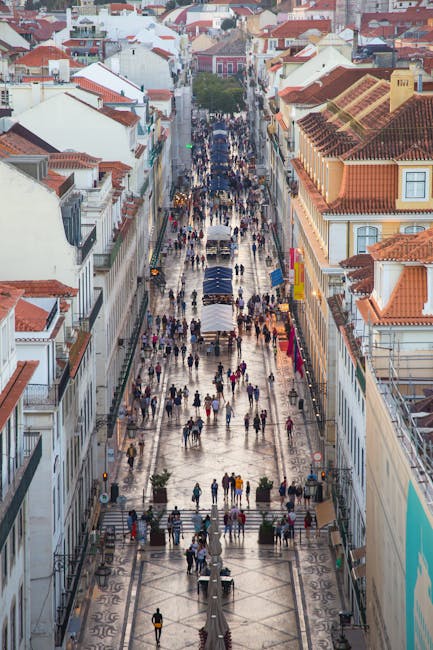
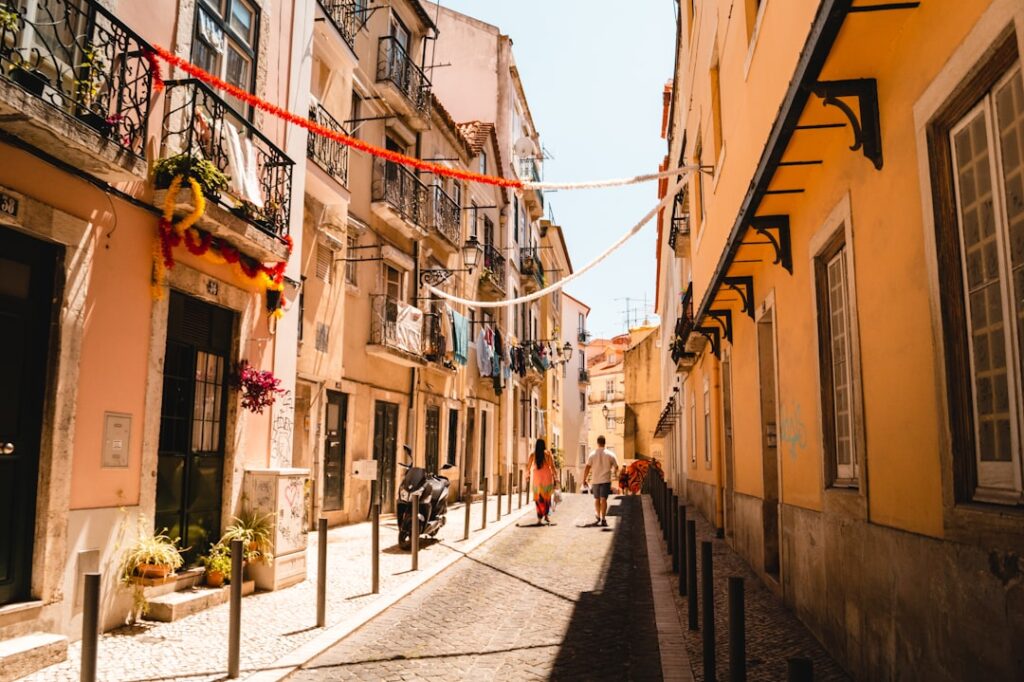
Lisbon is no longer just the city of azulejos, yellow trams and sun-drenched miradouros: over the last decade it has emerged as a European capital for specialty coffee. Driven by young roasters, passionate baristas and hybrid spaces that mix shop, café and roasting, this movement has transformed how Lisboans (and visitors) enjoy coffee. Coffee is no longer just a quick morning ritual at the counter; it’s savored, discussed, and sometimes enjoyed as a crafted product.
Contenu de l'article
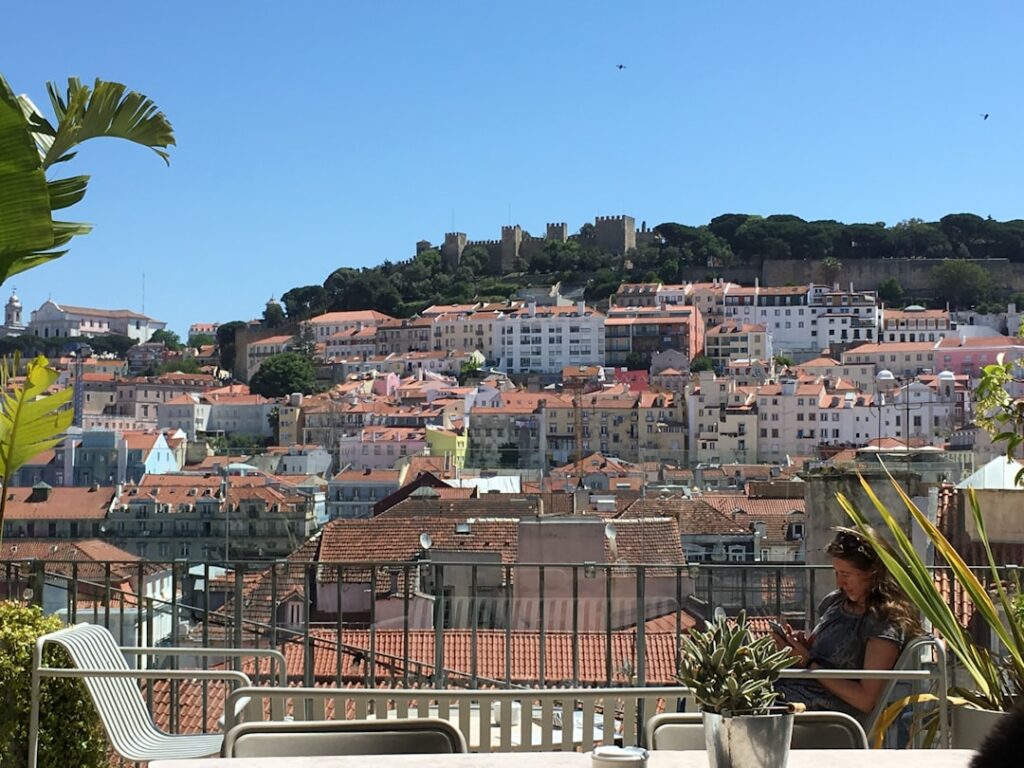
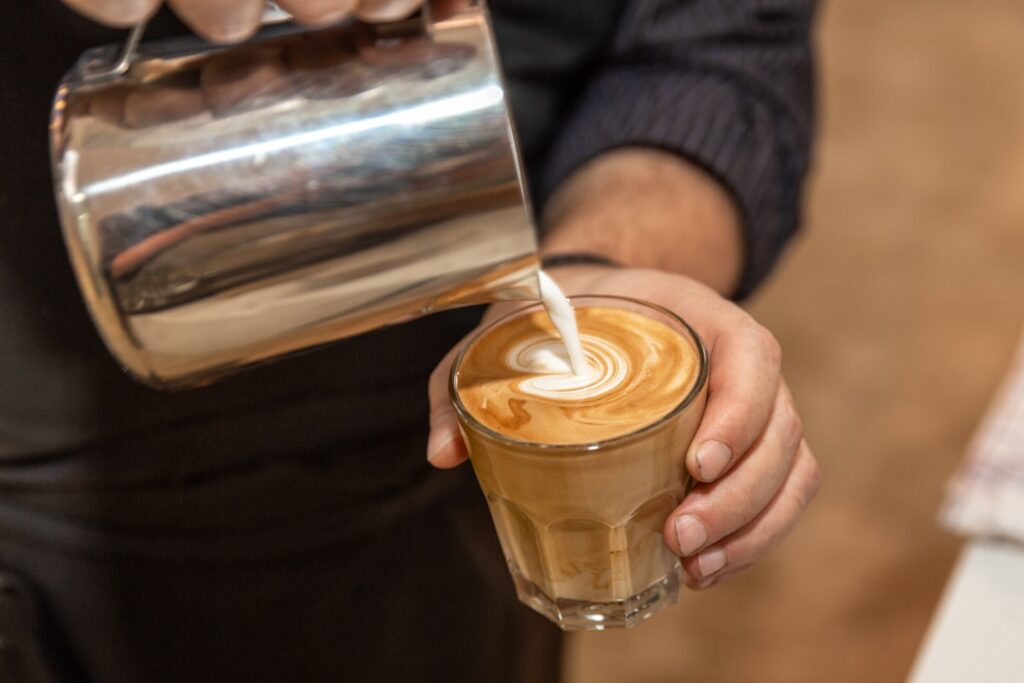
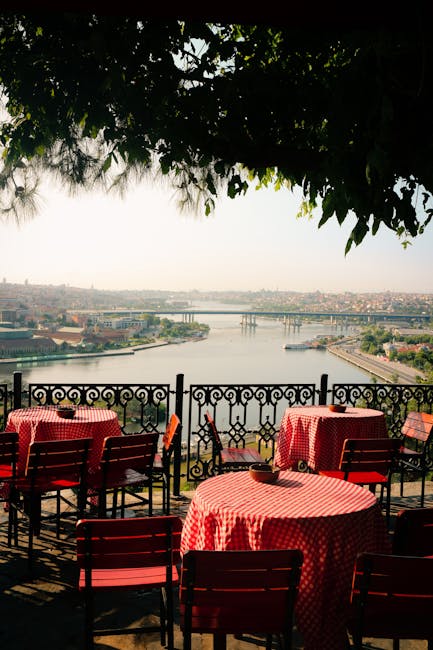
Lisbon’s geography supports this coffee culture. Neighborhoods like Chiado, Bairro Alto, Alfama, Intendente and LX Factory offer a variety of settings — tiny corner cafés, large roasteries open to the public, sunny terraces overlooking the Tagus — where you can rediscover a bean’s origin, the subtlety of extraction settings and the beauty of well-executed latte art. Local roasters don’t just import beans: many work directly with producers, offer single-origin lots and host public cuppings. The result: you can drink coffees whose origin, tasting notes and sometimes even lot name are traceable.
Another key factor: easy access to tools and accessories. Small specialty shops sell grinders and machines, training workshops multiply, and the café scene regularly hosts events (cuppings, workshops, “coffee science nights”) that attract both curious newcomers and industry professionals. Prices remain reasonable for Southern Europe: a specialty espresso typically costs between €1.50 and €2.50, while a filter brew can go over €4 depending on the rarity of the lot.
In this article, I’ve put together a tasty, practical route for drinking specialty coffee in Lisbon: five essential spots, each described with its DNA, exact address, opening hours, price range and handy tips to make the most of your visit. Whether you’re after an artisan roastery, a flagship barista, a place to work all day or a terrace with a view, you’ll find options for every moment of the day. Follow the guide: from your first cup before exploring Alfama to a final tasting after a sunset over the Tagus, Lisbon reveals itself cup by cup.
1) Fabrica Coffee Roasters — the open roastery and filter coffee culture
Full name: Fábrica Coffee Roasters Lisboa
Address: Rua das Portas de Santo Antão 89, 1100-409 Lisboa
Opening hours: Monday–Friday 08:00–19:00, Saturday 09:00–19:00, Sunday 10:00–18:00
Price guide: espresso €1.80 – €2.20; filter coffee (V60 / batch brew) €3.50 – €5.50; bags of green/roasted coffee €6.50 – €16 depending on weight and origin.
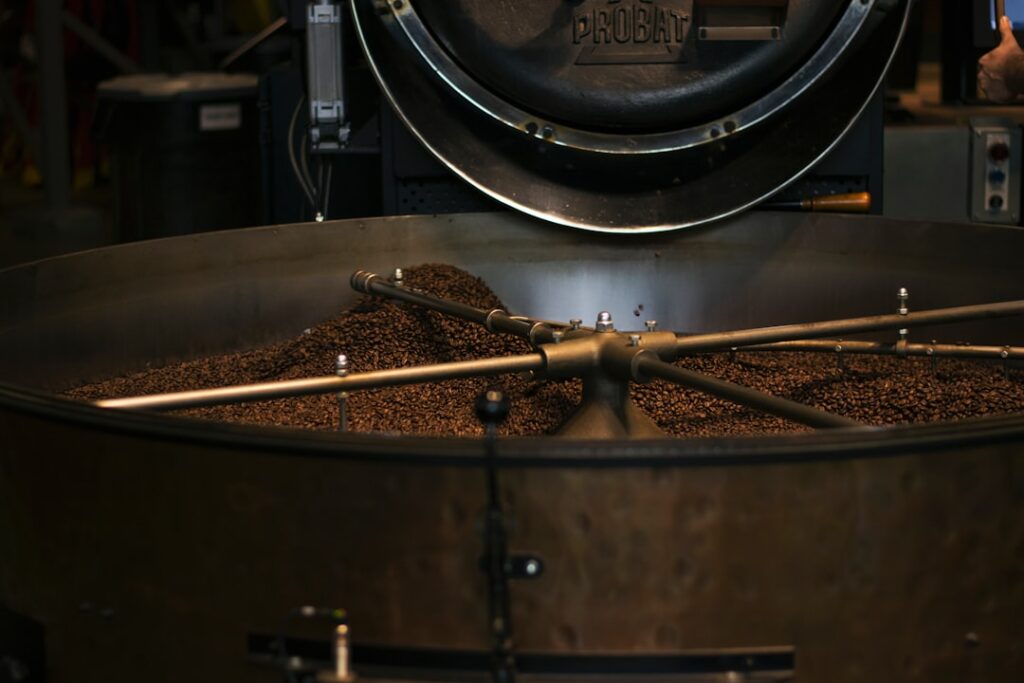
Fábrica Coffee Roasters is a textbook example of a Lisbon roastery that links production and public experience. Located near the historic center, the place combines a small retail shop, a visible roasting drum and a bar area where several brewing methods are offered. The vibe is industrial-chic: polished concrete, jute sacks and handwritten labels. Baristas take time to explain a lot’s origin, roast profile and the best extraction method to reveal its aromas.
Their filter selection is worth exploring: V60, Chemex and occasionally siphon or AeroPress depending on bean availability. The coffees rotate regularly — you might find a floral Ethiopian, a chocolatey Colombian or a rounder Brazilian — with tasting notes available for customers to consult. The shop also sells freshly roasted bags, a perfect souvenir to bring home.
Practical tips: get there early if you want a barista who can have a real conversation about the coffee’s origins; on weekends the space can fill up and waits are longer. For travelers in a hurry, ask for a « filter to go » in a Chemex or V60 (€4–6) and sip while walking toward the Tagus.
2) Copenhagen Coffee Lab — Scandinavian minimalism and technical mastery
Full name: Copenhagen Coffee Lab — Praça do Comércio
Address: Praça do Comércio 93, 1100-148 Lisboa
Opening hours: daily 07:30–20:30
Price guide: espresso €1.60 – €2.00; flat white €3.00 – €3.50; pour-over €3.50 – €5.00.
Imported from Denmark, Copenhagen Coffee Lab has found an audience in Lisbon that appreciates clean coffees and precise service. The strength here is consistency: well-calibrated machines, uniformly textured milk and a filter program highlighting single origins. The décor is minimal, with lots of light-colored wood, making it a bright, pleasant spot to work with a laptop.
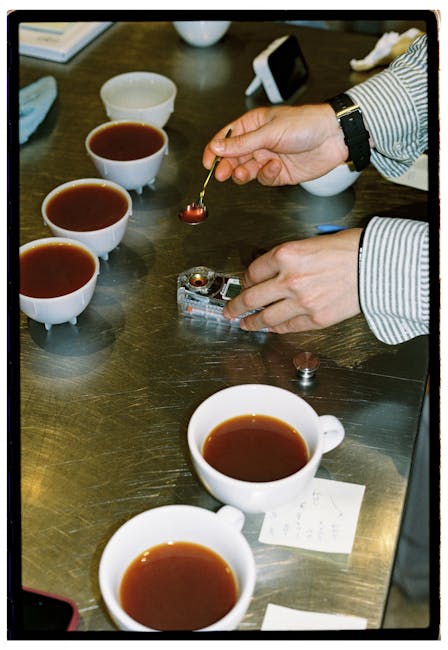
This café emphasizes technical quality: most baristas adhere strictly to extraction times and optimal grind settings. You’ll often see labels indicating brew temperature and coffee origin. It’s a perfect place for those who want an espresso true to the roaster’s profile or a carefully prepared pour-over.
Practical tips: the seats by the Praça do Comércio windows are great for a contemplative coffee break; ask the barista for the day’s coffee list if you’re curious to try an unusual profile. If you’re working, favor off-peak times (09:30–11:30 or 15:00–17:00) to avoid tourist crowds.
3) The Mill — an Aussie-Portuguese blend for relaxed coffee
Full name: The Mill — Specialty Coffee & Brunch
Address: Rua do Poço dos Negros 1, 1200-336 Lisboa (Chiado)
Opening hours: closed Monday, Tuesday–Sunday 09:00–17:00
Price guide: espresso €1.50 – €2.00; flat white €3.20; brunch with coffee €9.50 – €15.00 depending on the dish.
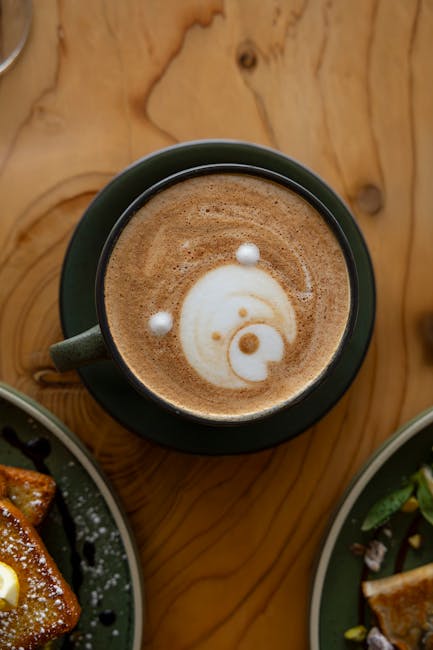
The Mill is a hybrid spot where Australian specialty coffee culture meets Portuguese ingredients. Located in stylish Chiado, it’s a hangout for lovers of perfect latte art and generous brunches. The interior is cozy, with wooden tables, plants and a friendly atmosphere that invites you to linger for hours. The menu features toasts, granolas, egg dishes and always a highlighted coffee — often in collaboration with a Lisbon roaster.
Here, coffee isn’t just served: it’s recommended. Baristas enjoy suggesting coffee-food pairings (for example, a chocolatey coffee with pancakes or a floral coffee with a yogurt bowl). The Mill is also a great starting point for a morning walk: after coffee, head up to Bairro Alto or down to Baixa to explore on foot.
Practical tips: if you’re coming in a group on weekends, try to book or arrive right at opening. For a local experience, order a flat white and a reworked Portuguese dish — the balance between coffee and food is designed not to overwhelm the flavors.
4) Hello, Kristof — experimental lab and rare coffees
Full name: Hello, Kristof — Specialty Coffee Lab
Address: Rua da Prata 106, 1100-420 Lisboa (Baixa)
Opening hours: Tuesday–Sunday 09:00–18:00, closed Monday
Price guide: espresso €1.80; innovative filter €4.50 – €7.00; tasting/cupping €8.00 – €12.00.
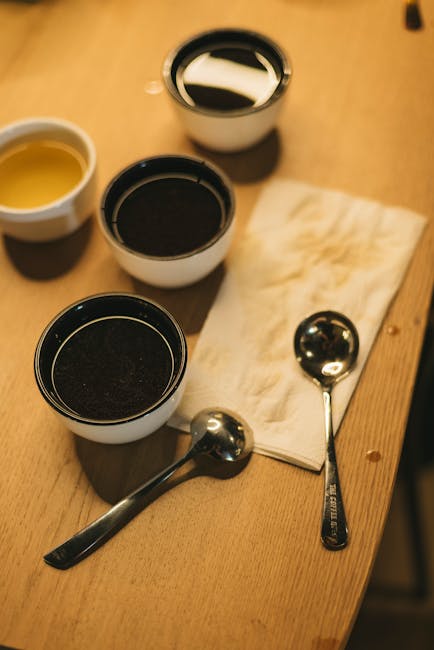
Hello, Kristof feels like a small Parisian lab transplanted to Lisbon that focuses on experimental coffees and micro-lots. The space looks like a workshop: shelves stacked with coffee bags, varied extraction instruments and information boards. Here you don’t just come to drink coffee: you come to discover it. Cuppings are regular and often led by the roaster, who explains differences between varieties and processing methods (washed, natural, honey).
Expect original preparations: hand-steeped cold brews, long V60 extractions that reveal intense fruity notes, or even experiments like coffees fermented in controlled barrels. The crowd is mixed: curious tourists, trainee baristas and local aficionados. The welcome is warm and educational — perfect if you want to deepen your coffee knowledge.
Practical tips: if you’re interested in a guided tasting, book a cupping session (€8–12 per person). It’s a great way to learn to recognize terroirs and leave with personalized recommendations for a bag to take home.
5) Wish Slow Coffee House — a zen pause and a filter alternative at LX Factory
Full name: Wish Slow Coffee House — LX Factory
Address: Rua Rodrigues de Faria 103, 1300-501 Lisboa (LX Factory)
Opening hours: daily 10:00–20:00
Price guide: espresso €1.70; pour-over €3.50 – €5.50; pastries €2.50 – €4.50.
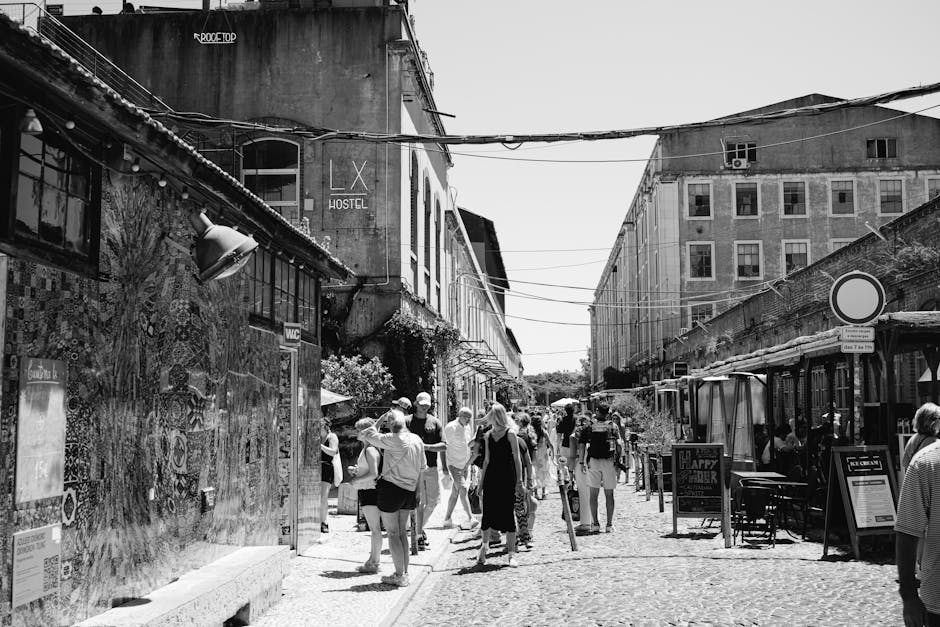
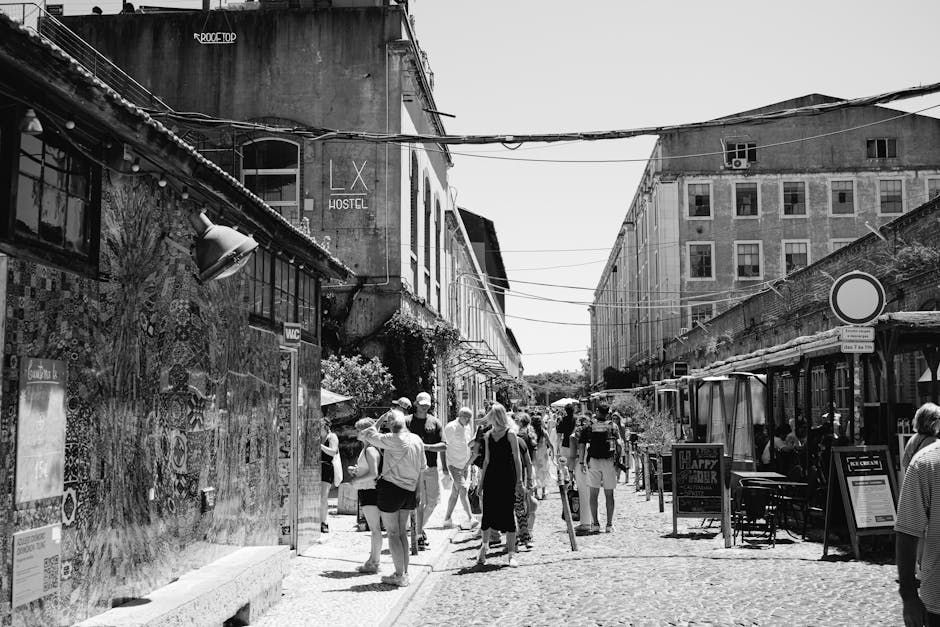
Located in the heart of LX Factory — the large creative complex under the 25 de Abril bridge — Wish Slow Coffee House is perfect for those who want to combine a cultural visit with specialty coffee tasting. The atmosphere is relaxed, often accompanied by a low-key playlist and a creative crowd. Filter methods (V60, AeroPress, siphon depending on the day) are favored, and the homemade pastries make excellent tasting companions. LX Factory itself is worth the visit: design shops, bookstores and street art frame your coffee break.
The coffee here is oriented toward slowness — hence the name « Slow » — and attention to extraction. Baristas take time to adjust grind and water for each lot, ensuring a balanced cup. The outdoor terrace is a major asset on fine days: ideal for people-watching while enjoying a carefully prepared coffee.
Practical tips: combine an LX Factory stroll (shops, Ler Devagar bookstore) with a stop at Wish; the terrace is particularly pleasant in the afternoon. If you plan to buy a bag, ask for the roast date: the freshest bag will give you the best experience at home.
Conclusion — How to drink the best specialty coffee in Lisbon: route and practical tips
Drinking specialty coffee in Lisbon means slowing down and engaging with your cup. The spots featured here offer different approaches: open, educational roasting (Fábrica Coffee Roasters), Scandinavian precision (Copenhagen Coffee Lab), brunch conviviality (The Mill), experimentation (Hello, Kristof) and cultural relaxation (Wish Slow Coffee House at LX Factory). To prepare your route, here are some practical, concrete recommendations:
- Plan by time of day: mornings (08:30–11:30) are ideal for filters and brunches, while afternoons are great for cuppings and workshops. Avoid 12:30–14:30 in the most touristy cafés if you want tranquillity.
- Ask for the roast date: a good specialty bag should show when it was roasted; prefer 3–14 days post-roast for espresso, up to 21 days for filter depending on the profile.
- Think about origin: if you like fruity, floral notes, look for Ethiopian naturals; for chocolatey, nutty profiles, favor Brazil or Guatemala.
- Bring a portable brewer: if you travel, an AeroPress or a small reusable filter lets you apply barista tips and extend the experience at home.
- Book workshops: for cuppings and workshops, book in advance — especially on weekends.
- Try local pairings: pair your coffee with a pastel de nata: the acidity/fat balance can reveal new facets in both treats.
Finally, keep in mind the coffee scene evolves quickly: new roasters and cafés pop up regularly. If you have time, follow a local recommendation or follow roasters on social media to catch pop-up events. And above all, enjoy: drinking specialty coffee in Lisbon is also about immersing yourself in local life, listening to conversations, watching passersby and letting the city tell its stories, cup after cup.