


Introduction — Why a shopping tour focused on antiques and artisan markets in Lisbon is worth it
Lisbon isn’t just a city of hills, yellow trams and romantic viewpoints — it’s also a playground for lovers of antiques, flea-market finds and traditional craftsmanship. In historic neighborhoods like Alfama, Graça and Belém you’ll find stallholders who’ve been trading for generations. In revamped industrial areas such as LX Factory and the concept stores of Bairro Alto and Príncipe Real, young designers are reinventing Portuguese design using local materials and a contemporary aesthetic. A shopping tour centered on antique dealers and artisan markets is the perfect way to bring home an authentic slice of Lisbon: a vintage tile, a Portuguese typographic poster, a filigree jewel from Viana do Castelo, or simply a bottle of olive oil and a traditionally made soap.
Contenu de l'article
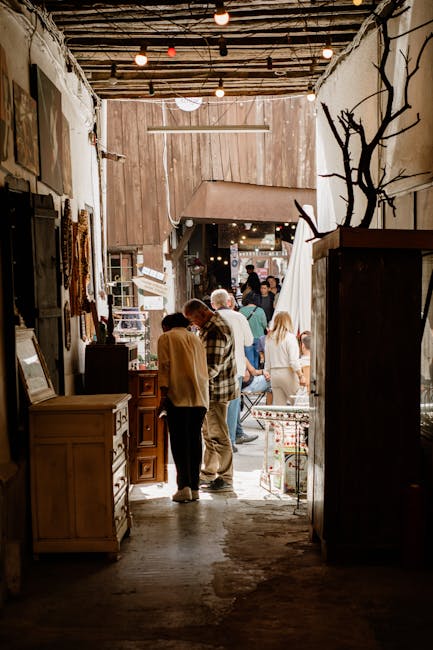
This kind of outing mixes the thrill of the treasure hunt with the slow pleasure of wandering. You’ll stumble across one-off pieces — weathered furniture, copper lamps, old books, vinyl records, traditional costumes — objects that carry stories. Open-air markets like Feira da Ladra (Alfama’s big flea market) create an immersive experience: every stall hides potential discoveries, sellers who can tell the story behind their items, and the atmosphere of an old quarter. At LX Factory, the industrial backdrop turns shopping into a cultural stroll dotted with cafés, galleries and independent bookstores.
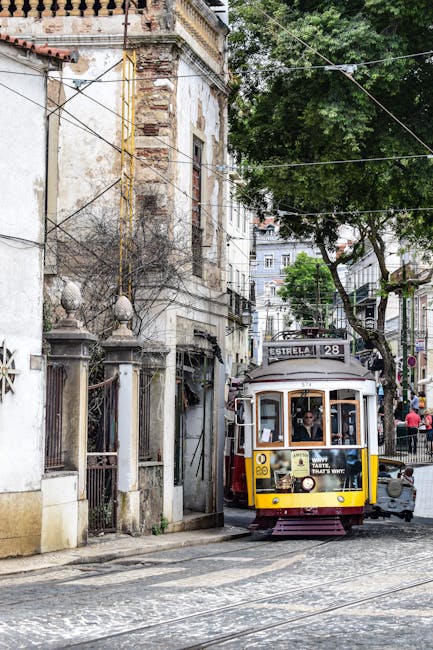
Practically speaking, Lisbon is well suited for this kind of tour: the historic tram (line 28), the metro (Baixa-Chiado, Cais do Sodré, Anjos stations), and a network of buses and tuk-tuks make it easy to reach hidden corners. Prices vary wildly — from cheap finds under €10 to authentic antiques that can cost several hundred euros — and haggling is often expected and appreciated, especially at outdoor markets. A few caveats: large purchases need transport planning, there may be export rules for old objects, and many vendors still prefer cash. Throughout this article I’ll guide you to the must-see spots, give exact addresses, typical opening times, price ranges and practical tips to make the most of your shopping tour in Lisbon.
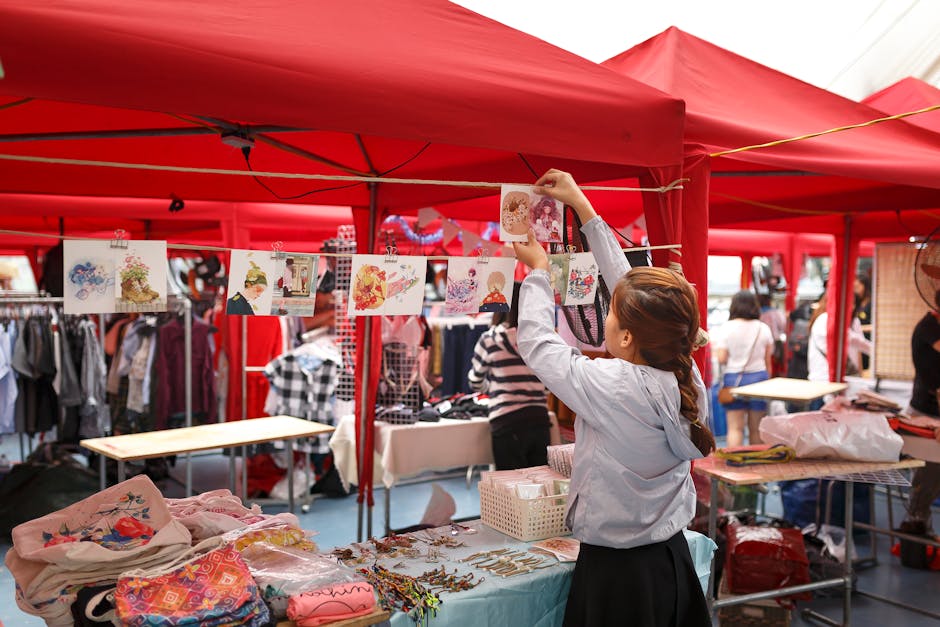
Feira da Ladra (Alfama) — Lisbon’s biggest flea market
Feira da Ladra is one of Lisbon’s most iconic flea markets. Set on the wide esplanade of Campo de Santa Clara, behind the church of São Vicente de Fora, the market runs twice a week and draws locals and visitors hunting for antiques, old books, collectibles and curiosities. Address: Campo de Santa Clara, 1100-471 Lisboa (near Igreja de São Vicente de Fora and the Panteão Nacional). Typical hours: Tuesday 09:00–17:00 and Saturday 08:00–18:00 (indicative — it’s best to arrive early to find the best pieces; some sellers set up as early as 07:00 on Saturday mornings). Admission is free.
What makes Feira da Ladra so captivating is its variety: you’ll see everything from vintage furniture to porcelain, antique jewelry to postcards, plus musical instruments, vinyl records and timeworn knickknacks. Prices can vary wildly: small souvenirs and bargain finds start around €2–10, old books or collectible posters often trade between €10–50, while furniture or truly rare pieces can reach several hundred euros. Sellers are generally open to bargaining — a good way to break the ice is to ask about the object’s story before making an offer.
Practical tips: arrive early, bring cash (many stalls don’t accept cards), wear comfortable shoes and carry a sturdy bag to protect fragile purchases. If you buy a large piece, ask the seller whether they can arrange delivery: some offer local delivery for roughly €20–100 depending on size and distance. To get to the market, take tram 28 (stop Sé or Alfama) or hop off at Martim Moniz metro and walk 10–15 minutes.
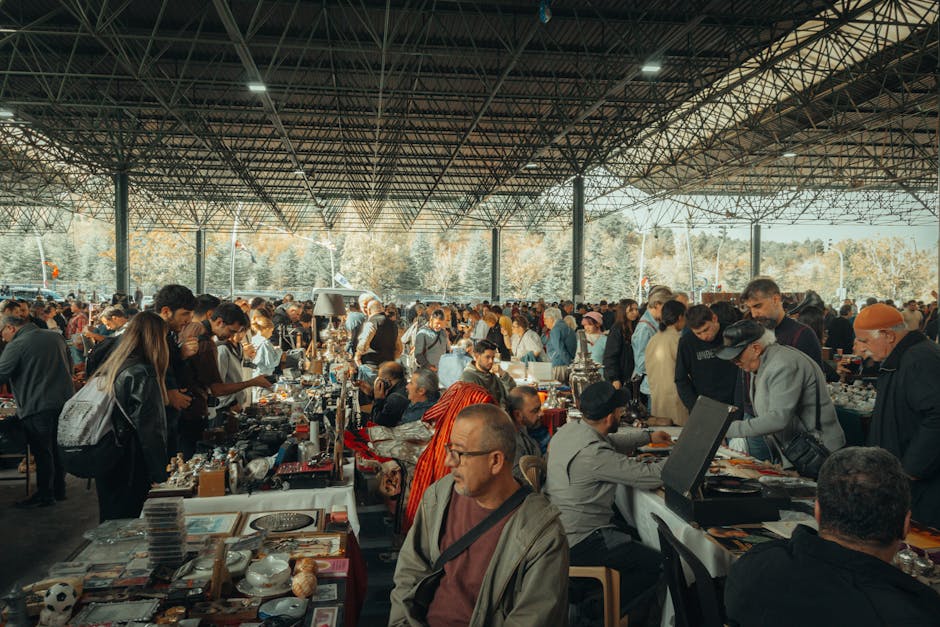
LX Factory and the Sunday Market — creativity and contemporary craft
LX Factory is a former industrial complex in Alcântara that’s been transformed into a cultural and commercial hub. Address: Rua Rodrigues de Faria 103, 1300-501 Lisboa. The site houses restaurants, cafés, bookstores and many designer shops. Every Sunday the Feira das Pulgas / LX Market (the Sunday market) brings together artisans, designers and collectors. Hours: the Sunday market typically runs from 10:00 to 18:00; LX Factory’s shops and restaurants are open most days, usually from 10:00 to 20:00 (check individual venues for exact times).
LX Factory is ideal if you’re after contemporary pieces — recycled-metal jewelry, designer ceramics, locally woven textiles, limited-run posters and decorative objects. Prices often reflect the handcrafted nature: small accessories €5–30, jewelry €20–120, ceramics and lighting €30–250. The charm of the place is as much its industrial architecture (graffiti-covered walls, skylights, a shaded courtyard) as the quality of the makers present. Sellers are often young creators willing to explain their process, personalize an item or take bespoke orders.
Practical tips: pair your market visit with lunch or coffee at one of the notable spots in the complex (for example Ler Devagar — a photogenic bookstore-café). Plan transport back at the end of the day: LX Factory is reachable by tram or bus from the center (stop Alcântara), but at certain hours it might be easier to take a taxi or Uber. If you’re carrying fragile purchases, ask the seller for protective wrapping; some even offer gift wrapping, free or for a small fee (€2–10).
Príncipe Real, Embaixada and traditional craft shops
Príncipe Real is an upscale neighborhood known for its gardens, independent designer shops and concept stores. One standout address is Embaixada — a gallery-shopping space set in a 19th-century palace. Address: Embaixada — Praça do Príncipe Real 26, 1250-184 Lisboa. Hours: generally 10:00–20:00 (check individual galleries or shops).
Embaixada brings together a curated selection of contemporary Portuguese brands: filigree jewelry, modern ceramics, handcrafted leather goods and garments made from local fabrics.
Nearby, Rua Dom Pedro V and Rua da Escola Politécnica host shops like A Vida Portuguesa (a shop famous for its selection of traditional Portuguese products) and several craft galleries. A Vida Portuguesa (often recommended for its traditional items): address Rua Anchieta 11 (between Chiado and Príncipe Real); typical hours: 10:00–19:00. Prices at A Vida Portuguesa range from €5 for a traditional soap to €40–80 for premium gift sets or higher-end products (artisan soaps, olive-oil soaps, local fragrances, notebooks, etc.).
In Príncipe Real you’ll also find occasional markets: the Mercado Biológico do Príncipe Real (organic market) takes place Saturday mornings in Príncipe Real Garden, where a few local artisans sell food products and crafts. Prices depend on vendors (organic food: €2–8 for cheeses or artisan bread; crafts: €10–60). The neighborhood is a great place to buy high-end gifts from local creators without the hectic feel of mass markets.
Practical tips: combine shopping with a stroll through Jardim do Príncipe Real and enjoy the terrace cafés. When buying traditional filigree jewelry, always ask for a certificate of authenticity if the seller provides one — and check export rules if you’re traveling from outside the EU. If you plan to bring home ceramics or other fragile items, look for shops that provide professional packing (bubble wrap, wooden crates) or ask about delivery services.
Antique dealers and specialist shops — addresses not to miss
Beyond the markets, Lisbon has several antique dealers and specialist shops where you can find carefully curated pieces. These places often offer a more targeted search and items with documented provenance. Here are a few reference addresses (check opening times with each shop before you go):
- Anticuario Raimundo — Rua dos Prazeres 12, 1200-393 Lisboa. Specialist in Portuguese and European furniture. Approximate hours: 10:00–18:00. Prices: furniture €150–1,500, small objects €15–120.
- Galeria As Artes — Rua do Alecrim 21, 1200-018 Lisboa (Chiado). Decorative antiques and glassware. Hours: 10:00–19:00. Prices: glassware and Art Deco pieces €30–400.
- A Vida Portuguesa (Chiado) — Rua Anchieta 11, 1200-016 Lisboa. Traditional Portuguese products (soaps, chocolates, stationery). Hours: 10:00–19:00. Prices: €5–80.
- Mercado da Ribeira / Time Out Market — Avenida 24 de Julho 49, 1200-479 Lisboa. While primarily a food market, a few artisan stalls sometimes sell design products. Hours: 10:00–02:00 (varies by stall). Prices: dishes €3–25, souvenirs €5–50.
These shops complement the markets by often guaranteeing authenticity, conservation and quality. For antique furniture, always ask for precise condition details (previous restorations, insect treatments) and, if needed, a transport estimate. Reputable antique dealers can provide an invoice, useful for insurance and export purposes.
Practical tips: ask about provenance for valuable pieces; if you’re buying in bulk, negotiate a discount or included delivery. For purchases under €22 you’re generally below VAT refund thresholds, but for larger buys check detaxe and VAT refund rules (available to non-EU residents if applicable). Favor card payments in established shops; keep cash for small flea-market stalls.
Practical tips for a successful shopping tour — budget, transport and logistics
To make the most of your shopping tour in Lisbon, a few practical rules will save you time and hassle. Budget: bring a flexible range. For a day of bargain hunting, €30–100 will let you pick up several small items, gifts and one or two mid-range souvenirs. For more ambitious purchases (furniture, artworks) plan for several hundred euros. Always carry cash (notes in €5, €10, €20 and €50) as many outdoor stalls refuse cards. Antique shops and concept stores generally accept cards.
Transport: Lisbon is hilly and cobbled — wear comfortable shoes. Trams (particularly tram 28 for historic neighborhoods) are handy but often crowded; the metro (Baixa-Chiado, Rossio, Cais do Sodré) and buses also serve the markets well. For bulky items, consider a local delivery service (city delivery €20–100 depending on size and distance). If you’re flying home, check baggage limits and protect fragile items with professional packing. Many hotels offer shipping services for purchases.
Haggling and authenticity: bargaining is part of the experience, especially at markets. Start with a reasonable opening offer (20–30% below the asking price) and be courteous — friendly conversation often leads to a better deal or useful background information. For antiques, request certificates of authenticity or an invoice. Beware of reproductions sold as originals — when in doubt consult an expert or a specialist shop.
Safety and local tips: keep valuables close at hand, avoid open bags in busy areas, and prefer purchases made in well-lit, official places after dark. Bring sturdy reusable bags and a small protection kit (bubble wrap, tape). Finally, if you plan to bring food items home (olive oil, canned goods, sweets), check your country’s import rules and ensure airtight packaging for air travel.
Conclusion — Take a piece of Lisbon home
A shopping tour focused on antique dealers and artisan markets in Lisbon blends cultural discovery with tangible pleasure. From the authentic bustle of Feira da Ladra to LX Factory’s contemporary creativity, from Príncipe Real’s artisanal chic to the specialist shops downtown, you can craft a trip tailored to your tastes: frenzied bargain hunting, a design-focused escape, or a search for refined gifts. Each place offers not just objects but stories — the person who sold the chipped plate, the maker who shapes a jewel by hand, the antique dealer who can place a dresser in its era. Those encounters are part of the purchase and add sentimental value to your finds.
On the practical side, remember to bring cash, plan transport for large items, and check opening times (outdoor markets are weather-dependent). Also consider export logistics for valuable antiques: invoices, certificates and possibly VAT refund services. But don’t let the paperwork spoil the fun: the best way to enjoy this tour is to leave time to wander, ask questions and savor a coffee or a pastel de nata during a well-deserved break.
Beyond material purchases, this excursion lets you bring home a slice of Portuguese history, local design and objects with soul. Whether you come back with a small filigree box, a lithographic poster or an old table, each piece will accompany your travel stories. So pack your map, comfortable shoes, a reinforced bag and your curiosity: Lisbon is ready to reveal its hidden treasures.