





Introduction: Lisbon beyond the maps — secrets and lanes to savor
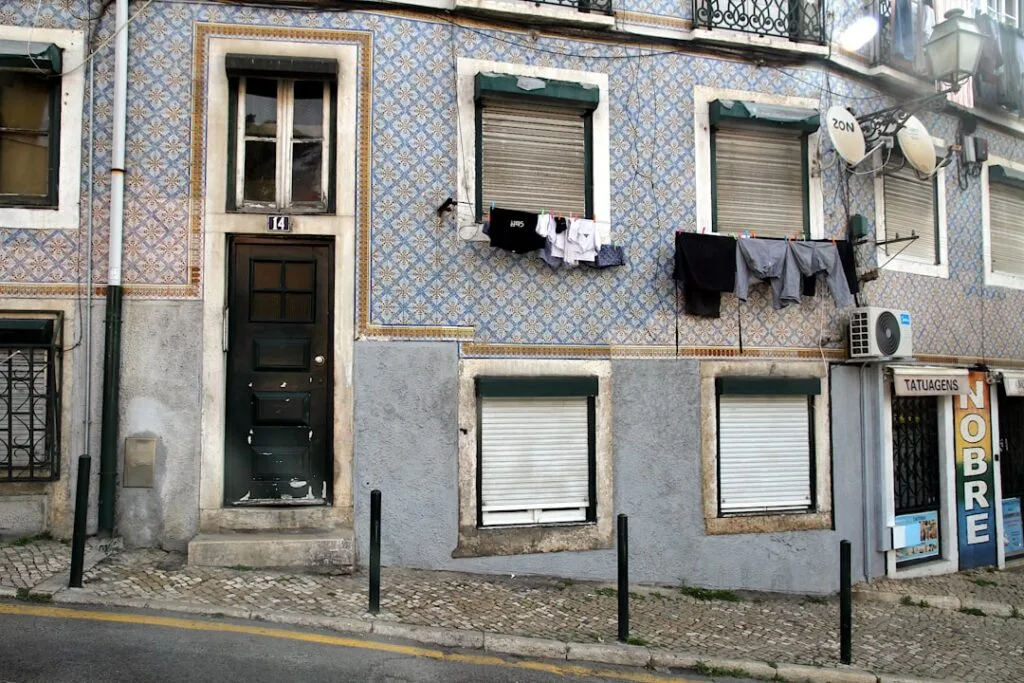
Lisbon is a city of angles and climbs, of blue tiles and façades peeling under a persistent sun. But behind the famous viewpoints and crowded trams lie alleys and passages that tell another story: living neighborhoods, small forgotten chapels, intimate courtyards and cafés where Portuguese is still spoken as if time had no calendar. This secret route takes you through Alfama, Mouraria, Bairro Alto, Chiado and repurposed industrial folds like LX Factory, favoring lesser-known alleys, forgotten staircases and quieter belvederes.
The aim isn’t to replace the must-sees — Castelo de São Jorge, Mosteiro dos Jerónimos, iconic viewpoints — but to complement your visit with detours that reveal intimate Lisbon. You’ll find exact addresses, opening times, entry prices when applicable, sensory descriptions to immerse you immediately, and practical local tips: how to get around, which ticket to buy, where to refill water, or how to avoid the busiest moments.
Each alley described includes a detailed portrayal to help you visualize the space — the cool shade of a covered passage, the slap of sandals on a steep calçada, the scent of roasted coffee mixed with street grills. Addresses are precise so you can pin them on your map and get lost on purpose, confident you’ll end at a warm café or a tiny miradouro after the walk.
Before you go: bring comfortable, grippy shoes (the cobbles can be slippery), a reusable bottle (public fountains and refill points are common), and a Viva Viagem card (rechargeable transport card, card price €0.50 + fare). Respect the locals: alleys are living spaces, not sets. Now head to the first secret lane — the one that starts at the foot of a picturesque funicular.
 Click here to book your ticket for the Jerónimos Monastery

1. Bica and its side-streets: between funicular and secret passages
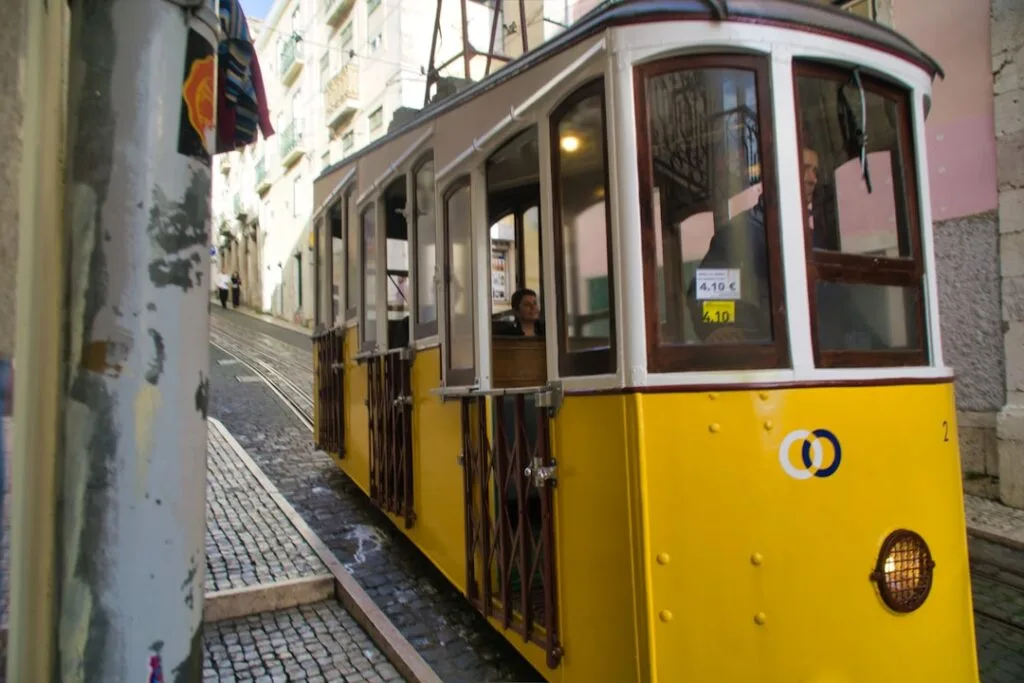
Start in the Bica district, often photographed for its picturesque funicular, but whose small parallel streets stay quiet in the morning. The Elevador da Bica (Calçada da Bica Grande, 1200-004 Lisboa) is an excellent starting point: a short funicular ride that links the bottom of the district to the nearby Miradouro de São Pedro de Alcântara. The funicular follows the Carris network schedule; a single ride costs around €3.00 if you use a Carris/Viva Viagem ticket (purchase and top-up via machines at stations). Hours: generally 06:30–01:00, depending on the season.
From the funicular base, explore Rua da Bica de Duarte Belo and Travessa do Cabrestante, then lose yourself in perpendicular alleys like Rua do Alecrim — small courtyards, yellow houses and balconies heavy with laundry. Notice the ceramic number plaques and old mailboxes: they tell the story of generations of residents. Morning light bouncing off façades creates extraordinary contrasts — perfect for photography.
Practical tips: local cafés (e.g. Café do Cais nearby) serve good espressos for €1.20–€2.00. For a less touristy angle, climb the Escadinhas de São Cristóvão, a small paved staircase leading to artisan workshops and some local design shops. If you need a public toilet, the health center or certain small groceries sometimes accept one euro for access; better ask before using.
Click here to book your Lisbon photo session
2. Intimate Alfama: calçadas, azulejos and hidden miradouros
Alfama is Lisbon’s old heart, but most visitors focus on the main sights. For a different experience, follow Rua dos Bacalhoeiros to Rua de São João da Praça, then climb the narrow lanes that lead to lesser-known viewpoints like Calçada do Monte and Miradouro de Santa Luzia (Largo Santa Luzia, 1100-487 Lisboa). The church façade and the benches framed by azulejos tell maritime and village tales; the scent of jasmine often mixes with the aroma of fado tea from a nearby restaurant.
Practical address: Miradouro de Santa Luzia, Largo Santa Luzia, Alfama, 1100-487 Lisboa. Hours: open at all times (public space). A recommended passage: Travessa do Fala Só, a very narrow alley lined with painted doors and discreet graffiti. Nearby, Castelo de São Jorge (R. de Santa Cruz do Castelo, 1100-129 Lisboa) offers a dive into history; adult price around €10.50 and variable hours (generally 09:00–21:00 in summer, 09:00–18:00 in winter). Buy tickets online to avoid queues.
Sensory immersion: late afternoon the alleys fill with grill smoke and Portuguese guitar chords. Slow your pace: the cobbles are often uneven, and residents’ cats nap in corners. If you want a more intimate fado mini-concert (off the tourist trail), inquire about small casas de fado around Rua do Barão — menus often between €20 and €35 with a drink included; reservations recommended.
Click here to book your skip-the-line ticket for the castle

Lisbon — secret alleyways itinerary
In high season some streets become a constant flow: avoid peak times (late morning and late afternoon) or book a night option to see the alleys differently.
Prepare for uneven cobbles, narrow stairways and respect for residents’ daily life: a small water bottle, good shoes and a Viva Viagem card are enough for a relaxed outing.
1. Lisbon by night
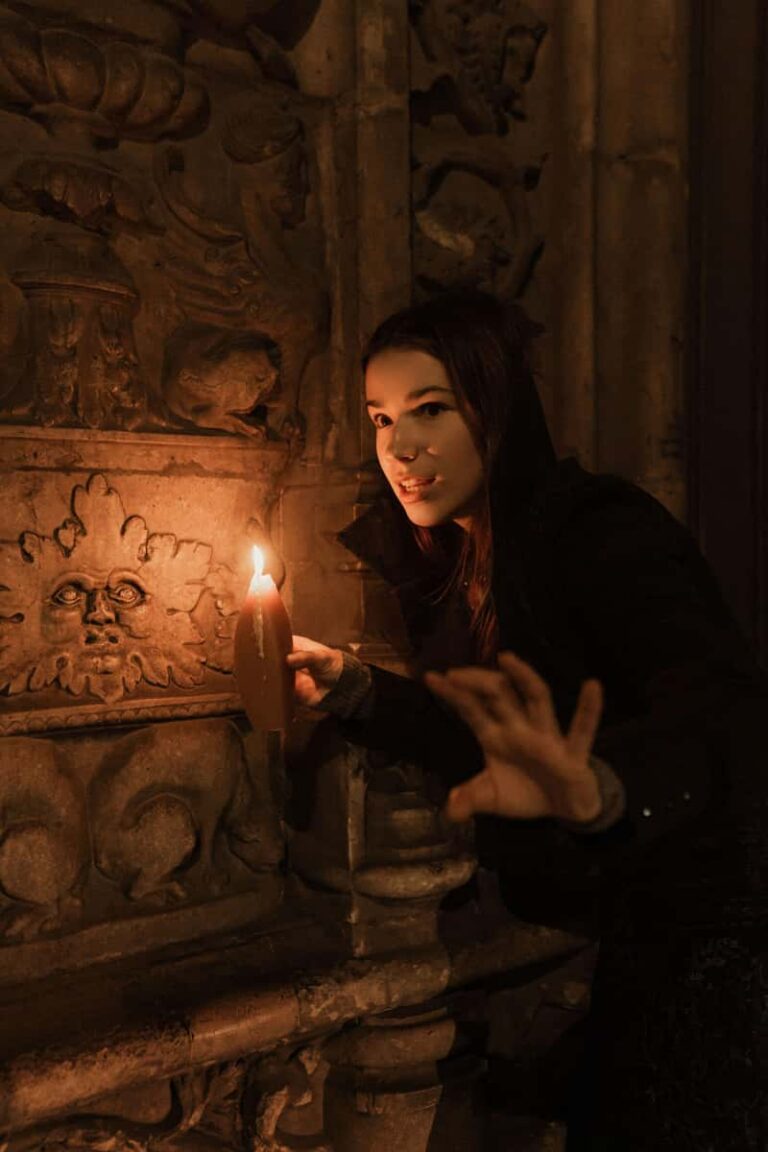
Night version of a historic route: tales, legends and Alfama and central Lisbon’s shadowy corners. The theatrical narration brings forgotten intrigues and characters back to life along the lit alleys.
- ⏱️ Duration: 105 minutes
- 🚩 Start: Rossio, next to JOALHARIA FERREIRA MARQUES (lantern)
- 🚶 Format: Guided walking tour
- 🗣️ Languages: English
2. Secret daytime tour
A themed route focused on crypts, tombs and little-known passages: a mix of urban archaeology and street art to understand Lisbon’s hidden layers.
- ⏱️ Duration: 2.5 hours
- 🚩 Start: Varies depending on the option chosen (check when booking)
- 🚶 Format: Guided walking tour
- 🎟️ Included: Guide and access to the mentioned sites
3. Mouraria and its multicultural passages
Mouraria is a cultural patchwork, less famous than Alfama but just as alive. Here the alleys tell stories of diverse communities. Start at Rua da Mouraria and dive into the inner “vilas,” small courtyards where neighborhood life endures. A must-see is Martim Moniz / Rua dos Cavaleiros, an area mixing Indian grocery shops, street markets and tailor workshops.
Street art spot: Calçada de São Vicente and the surrounding streets — look for murals and small artist studios. For an accessible, offbeat museum visit, check out the Museu de Lisboa — Palácio Pimenta (Campo Grande, 18, 1700-087 Lisboa) which documents the city’s social diversity; prices vary by exhibition (general entry often around 5–7 €). Opening hours: usually 10:00–18:00, closed on Mondays.
Local tips: for lunch favor small street restaurants serving family-style portions — a typical prato (dish of the day) often costs between 8 € and 12 €. If you’re curious about local shops, look for Mercearia do Bairro, a traditional grocer where you can buy cheese and Portuguese preserves. The area is very walkable but be cautious at night: stick to daytime or early-evening strolls and keep valuables close.
4. Chiado and Bairro Alto: literary passages and hidden gardens
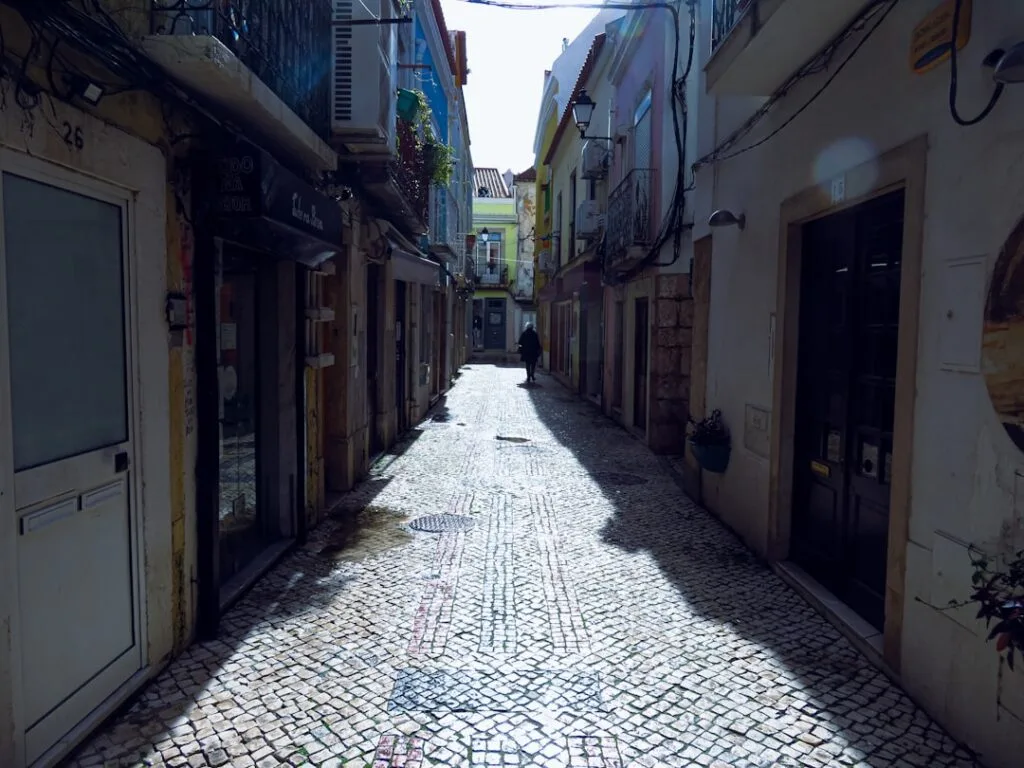
Chiado and Bairro Alto often mean literary cafés and nightlife, but at dawn and dusk some alleys offer an almost monastic calm. Start on Rua Garrett (Chiado) and slip into Rua do Poço dos Negros or Rua da Atalaia to find secret courtyards and tiny bookshops. Café A Brasileira (Rua Garrett 120, 1200-203 Lisboa) is a historic stop; coffee prices range from 1,50 € to 2,50 €, opening hours usually 08:00–20:00.
A little-known garden: Jardim do Torel (Rua da Escola Politécnica, 1250-096 Lisboa) is a lookout-garden often bypassed by tourists. Access: public space open at all times. It offers a shaded bench and rooftop views, perfect for a meditative break away from Bairro Alto’s bustle. For night owls, some quiet alleys behind Praça Luís de Camões reveal wine bars and tascas where the music is more local than staged.
Practical tips: Bairro Alto slopes up — heels are not recommended. Small bookshops like Livraria Bertrand (Rua Garrett 73-75, 1200-203 Lisboa) carry Portuguese and English editions; typical hours 10:00–19:00. For a simple but tasty dinner look for a neighborhood tasca: dishes between 9 € and 15 €. Remember tascas sometimes close early on weekdays (around 22:00), so plan accordingly.
5. LX Factory and Alcântara: transformed industrial alleys
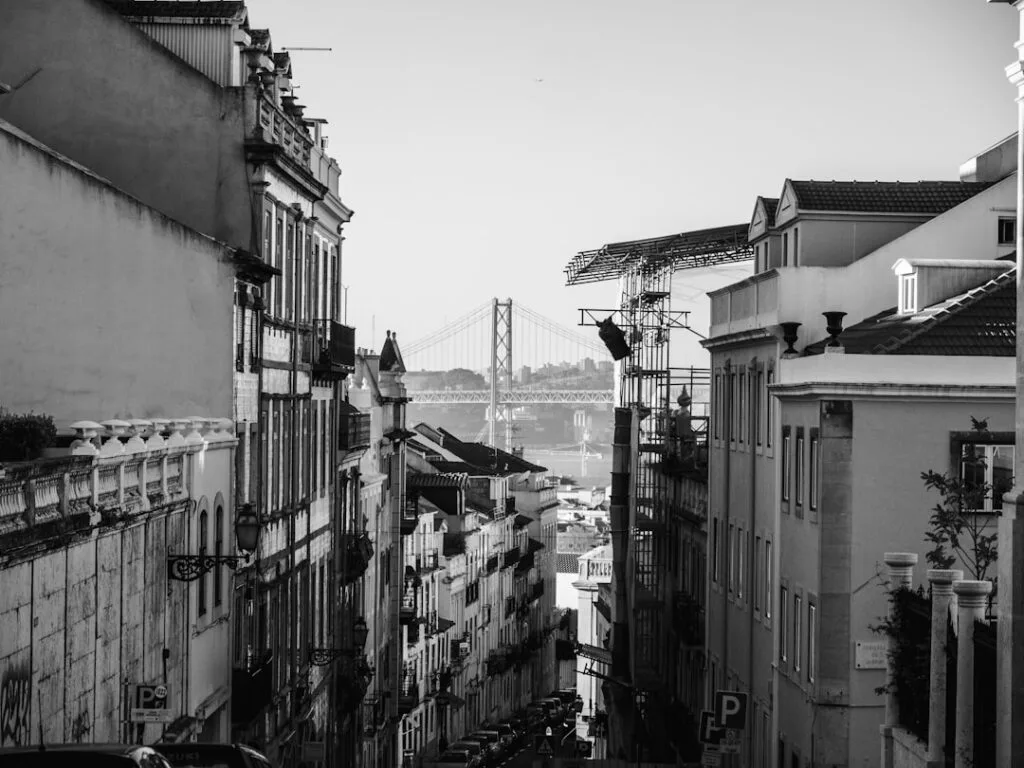
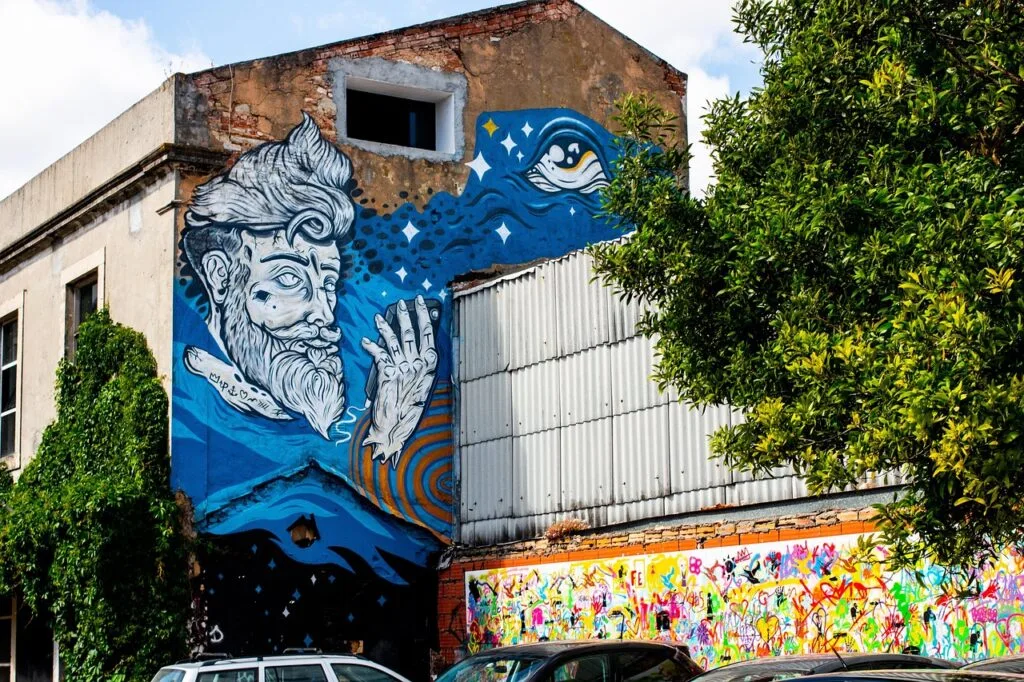
Alcântara and the large LX Factory complex show another side of Lisbon: industrial wastelands turned into workshops, designer shops, restaurants and alleys painted with murals. Address: LX Factory, R. Rodrigues de Faria 103, 1300-501 Lisboa. Opening hours: shops generally 10:00–20:00, some restaurants and bars stay open late (until 02:00). Entry to the site is free; special events may be ticketed (concerts, exhibitions).
Stroll along Alcântara’s quays then head into LX Factory’s inner courtyards where old warehouses became bookshops (Ler Devagar), showrooms and cafés. Ler Devagar is an iconic bookstore (R. Rodrigues de Faria 103, inside LX): an industrial-printing vibe with hundreds of books; hours 10:00–20:00. Don’t miss screen-printing studios and local design shops for original souvenirs.
For a tasty break, go to the Time Out Market — Mercado da Ribeira (Av. 24 de Julho 49, 1200-479 Lisboa): a large covered market with chef stalls, usually open 10:00–02:00. Prices: street food portions between 6 € and 15 €. If you prefer authenticity, seek small taverns along Avenida do Conde de Valbom for traditional dishes at fair prices. Tips: arrive late afternoon to avoid crowds, and use the quays for a sunset walk.

Practical tips for exploring the alleys with peace of mind
- Viva Viagem card: rechargeable card (card cost €0.50 + fares). Use it for tram 28, buses and metro; top up at stations or kiosks.
- Shoes: choose non-slip soles (calçada portuguesa = cobbles). Avoid heels and fragile sandals.
- Hydration: bring a reusable bottle — many public fountains allow refills (especially in summer).
- Safety: pickpockets operate in tourist areas (trams, miradouros): keep your bag closed and your phone in an inside pocket.
- Respect: the alleys are people’s homes. Respect nighttime quiet and avoid photographing inside private courtyards without permission.
- Opening hours: check museum and monument hours online (they can change with seasons and events).

Conclusion: how to build your own secret itinerary
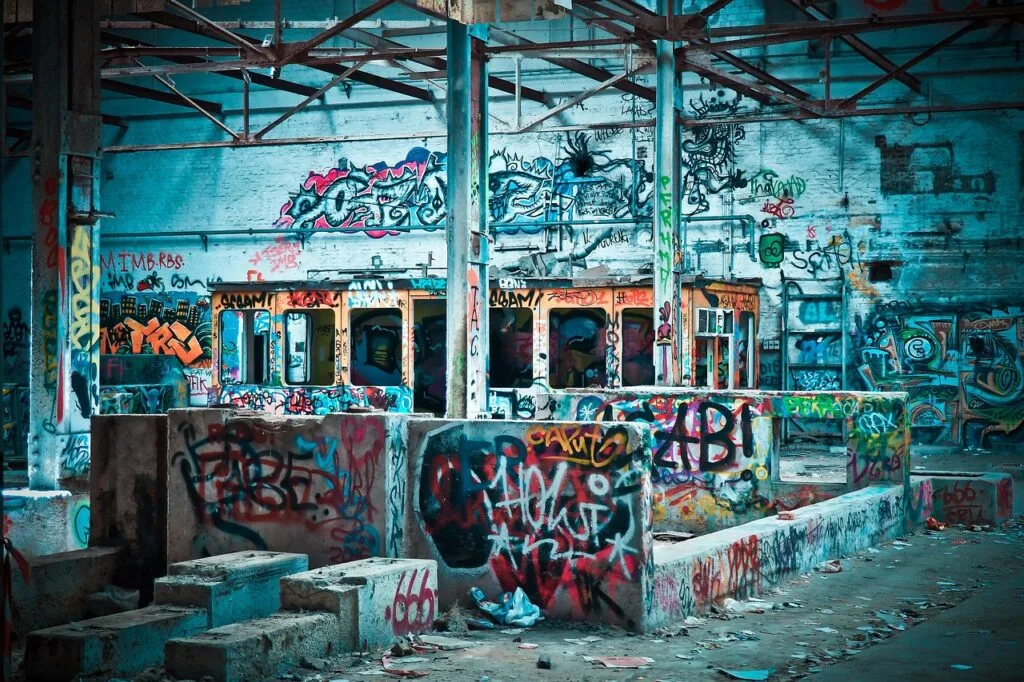
The best way to craft a secret route in Lisbon is to alternate must-see spots with intentional detours. Start early in the morning in iconic neighborhoods like Bica and Alfama to enjoy the light and a still-quiet atmosphere; save places like LX Factory or the Time Out Market for late afternoon, when the energy shifts and workshops open. Lesser-known alleys have three essential qualities: they surprise, they tell stories, and they bring people together. They invite you to get lost, return, meet locals, or simply sit on a step and watch.
To create your personal route, combine: a historic funicular (Elevador da Bica), an intimate miradouro (Miradouro de Santa Luzia or Jardim do Torel), a multicultural area (Mouraria), a literary stroll (Chiado/Bairro Alto) and finally a reclaimed space (LX Factory). Bring a good pair of shoes, a Viva Viagem card, and a curiosity ready to listen to local stories. Respect the places and residents: the city will reward that respect with smiles, tips and sometimes an offered coffee.
Ultimately, these little alleys are invitations: to slow down, to listen, to observe. Lisbon never fully reveals itself at first glance; it asks you to come back, to pass through those small passages again, to stop at a door, to climb a stair without knowing what awaits above. Your best discoveries will often be the simplest: a shaded bench, a colorful mural, a family-run grocery. Take your time — the generous city will give you plenty in return.