

Introduction — Mouraria: discover Lisbon’s multicultural soul
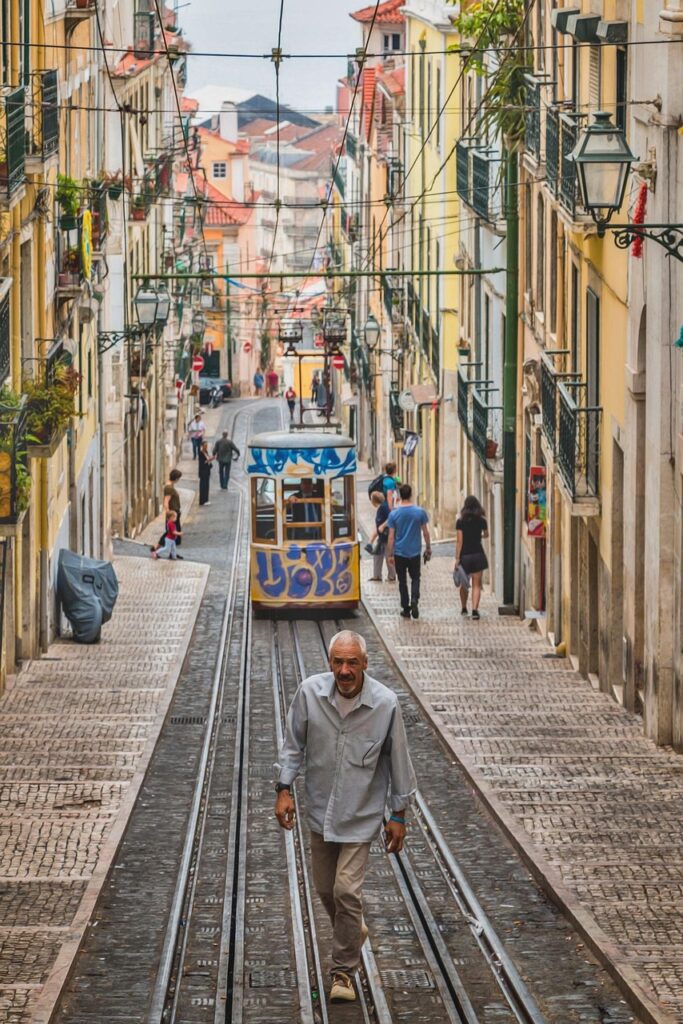
Mouraria is one of Lisbon’s most genuine and lively neighborhoods. Nestled between Alfama and the historic center, this maze of narrow alleys, steep stairways and colorful façades tells centuries of history, encounters and cultural mixing. Where other districts have been flattened by mass tourism, Mouraria preserves a micro-society where long-time residents rub shoulders with newcomers from Africa, Asia, Brazil and Eastern Europe, street artists and fado lovers. This neighborhood embodies Lisbon’s diversity: you’ll hear Portuguese, Creole, Urdu, Khmer, Romani and, of course, the universal language of the street — bargaining, singing and laughter.
Contenu de l'article
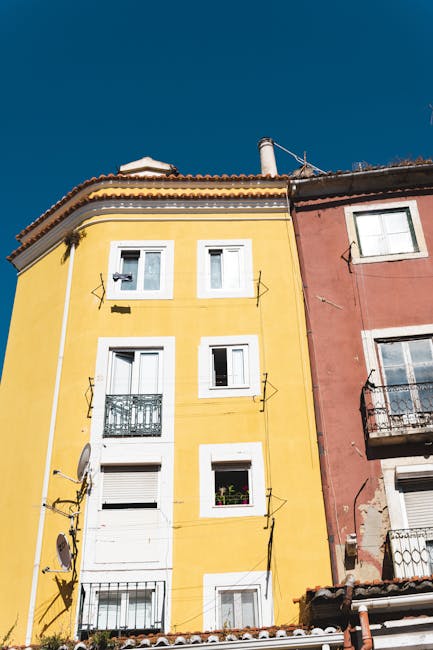
Wandering slowly through Mouraria, you’ll spot details that reveal that diversity: small shops stocking Asian imports, brightly painted African hair salons, posters in several languages, restaurants serving Cape Verdean or Indian specialties alongside humble tascas. Walls are often covered in politically engaged street art, works by local and international graffiti artists reflecting contemporary social issues, memory and identity. Mouraria is also home to exemplary cultural and social projects — integration centers, art studios and community fado programs — that help revitalize the neighborhood without erasing its roots.
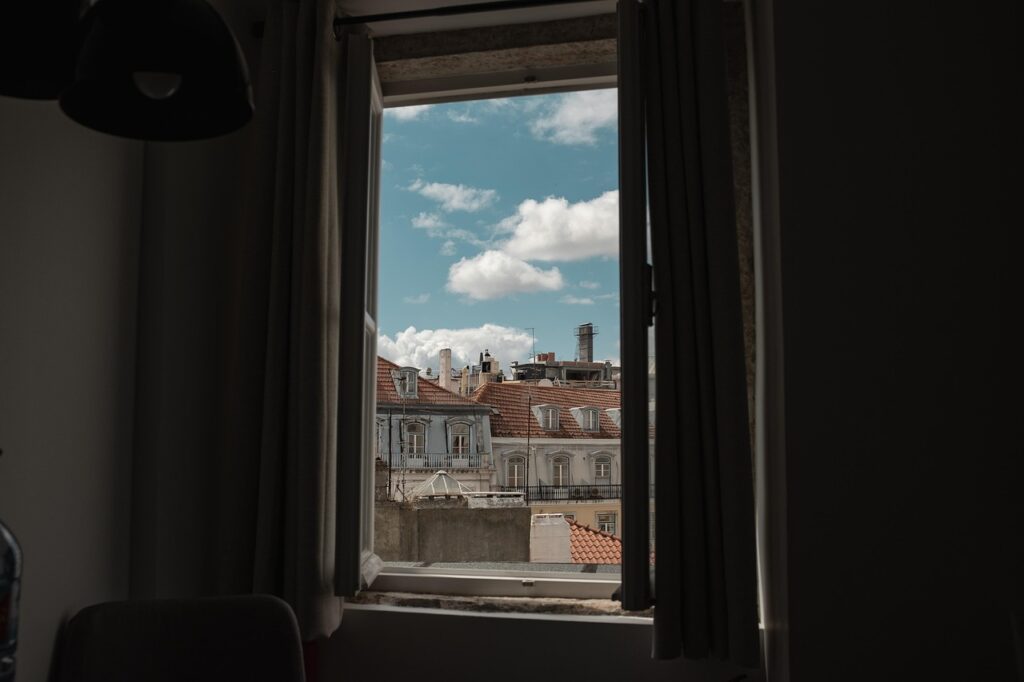
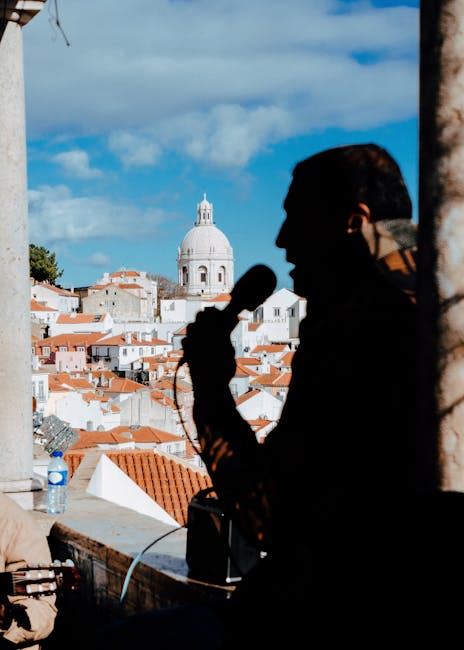
The best way to taste Mouraria is on foot. The highlights aren’t always grand monuments but places of daily life: a square where children play, a century-old doorway, the wail of an impromptu fado spilling from a balcony, a fresh fish salad served in a modest cafeteria. For the curious visitor, Mouraria offers immersive experiences: listening to fado vadio (improvised fado) in a local tavern, sampling a pastel de nata in a bakery frequented by regulars, or walking up to a viewpoint for an intimate look over Lisbon’s rooftops. Here, every street corner is worth exploring and every conversation can reveal a new view of the city.
This guide offers a full immersion into Mouraria: sights to see, useful addresses, opening hours, approximate prices, practical tips and local recommendations to enjoy the neighborhood while respecting its residents. Whether you’re into photography, urban history, music or simply seeking authenticity, Mouraria offers a warm, contrasting side of Lisbon. We’ll cover how to get there, which markets and restaurants to favor, where to hear fado in an intimate setting, which cultural centers to visit, and how to observe everyday life without turning it into mere tourist consumption. Bring comfortable shoes, boundless curiosity and genuine respect for the places and people: Mouraria will tell you its story through its inhabitants.
1. Strolling Mouraria: routes, atmospheres and viewpoints
The best way to discover Mouraria is to get delightfully lost. Start your route around Praça do Martim Moniz (Praça do Martim Moniz, 1100-341 Lisboa) — it’s a transport hub and a great starting point. This bustling square, often animated by pop-up markets and cultural events, reflects the neighborhood’s diversity. Nearby, Martim Moniz metro station (Praça do Martim Moniz) is served by the green line (Linha Verde) — handy if you’re coming from Parque das Nações, Baixa or the city center.
From the square, head up Rua da Mouraria toward Largo da Mouraria (Largo da Mouraria, 1100-591 Lisboa): here the neighborhood’s history is concentrated, with medieval lanes and whitewashed houses. A typical walk takes you along Rua do Capelão, Rua dos Cavaleiros and Calçada do Tijolo — these local names point to an urban heritage of old doors, uneven cobbles and neighborhood shops. Take time to notice architectural details: azulejos (ceramic tiles), hand-painted signs, laundry hanging from balconies, and street-name plaques in multiple languages.
For a panoramic view, climb to Miradouro da Senhora do Monte (Largo Monte, 1170-361 Lisboa) or Miradouro de Santa Luzia (Rua do Polaroide / Largo Santa Luzia, 1100-487 Lisboa). Senhora do Monte offers a higher, less touristy vantage point than São Jorge — perfect at sunset — while Santa Luzia is more intimate and closer to the winding streets of Alfama and Mouraria. Both viewpoints are reachable on foot within 10–20 minutes from central Mouraria.
Practical tips: wear comfortable shoes (the slopes and cobbles get slippery in wet weather), carry a water bottle and an offline map. Avoid relying solely on Google Maps in the tiniest alleys where signal can be patchy — asking a local shopkeeper often leads to charming shortcuts. Useful hours: most streets are open 24/7, but street shops usually open between 08:00 and 09:00 and close around 20:00–21:00; some restaurants and bars stay open until midnight or 02:00.
2. Flavours and markets: where to eat, drink and buy worldly products
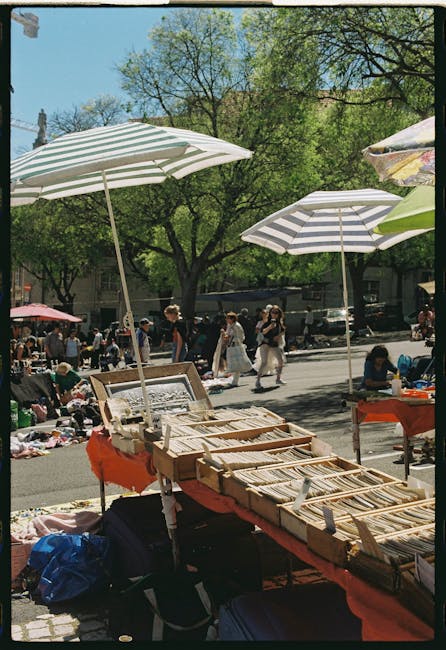
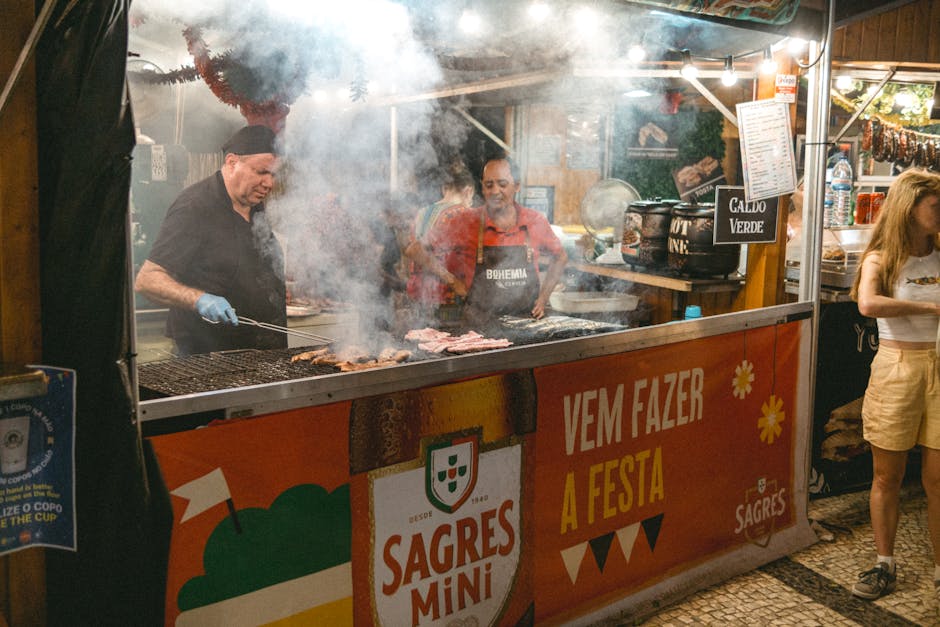
Mouraria is a culinary destination in its own right, where Portuguese influences mingle with Cape Verdean, Indian, Pakistani, Chinese and Brazilian cuisines. For an informal, budget-friendly lunch head to Mercado de Martim Moniz (Praça do Martim Moniz, 1100-341 Lisboa). This street market hosts food trucks and international stalls: takeaway dishes from €3 to €10 (indicative prices), usually open daily from 10:00 to 22:00. The market is a great spot to try caril de frango (chicken curry), Cape Verdean cachupa or a handmade kebab.
For a sit-down meal, try A Merendeira (Rua dos Cavaleiros 44, 1100-199 Lisboa) — a local tavern offering homemade Portuguese dishes for around €8–15; typically open 12:00–15:00 and 19:00–23:00, closed some Sundays. If you’re after Cape Verdean food, Restaurante O Cantinho de Saint Antao (Rua do Terreirinho 4, 1100-353 Lisboa) serves traditional plates for €9–18; approximate hours 12:00–15:00 and 19:00–23:00. For something sweet, taste pastéis de nata at bakeries frequented by locals.
Neighborhood grocers (mercearias) are perfect for buying imported goods: Mercearia Asiática (Rua do Capelão 23, 1100-587 Lisboa) stocks Asian spices and fresh products; hours 09:00–20:00. For African specialties, Casa Africana (Rua da Madalena 12, 1100-329 Lisboa) offers ingredients and ready-to-go dishes, prices €3–12, open 10:00–20:00. These addresses are typical examples of the area’s commercial diversity.
Having a drink in Mouraria is a social experience too: skip the big chains and step into small café-concerts or neighborhood bars. Tasca do Jaime (Rua dos Cavaleiros 10, 1100-199 Lisboa) is a friendly bistro for a beer or a glass of vinho verde (about €2.50–5), open 12:00–01:00. Coffee lovers will find tiny roasteries serving an espresso for €0.80–1.20, while more touristy cafés higher up the hill may charge €2–3.
3. Music, fado and nightlife: listening to the city’s voice
Mouraria is one of the birthplaces of fado. Unlike the highly staged shows in Alfama or Bairro Alto, Mouraria offers more intimate, community-based experiences. Fado vadio (improvised fado) often takes place in small taverns where local singers grab the mic, sometimes without a cover charge. For an authentic experience, look for « Fado na Mouraria » nights organized by local associations and small fado houses — times vary, generally between 20:00 and 23:30, and any cover charges (when applied) range from €5 to €20.
One spot to know is Casa do Vimioso (a typical neighborhood tavern — example address: Rua da Mouraria 25, 1100-591 Lisboa) which hosts fado sessions and occasional acoustic concerts; some evenings have free entry and drinks start from €2.50. Teatro Ibérico (Rua do Sol 62, 1100-195 Lisboa) and nearby cultural centers sometimes program world music concerts that highlight Mouraria’s cultural mix — tickets €8–25 depending on the show, schedule varies.
At night, Mouraria stays relatively calm compared with Bairro Alto. You’ll find neighborhood bars and a few intimate clubs. For a livelier evening, check the Martim Moniz Outdoor program (seasonal events at Praça do Martim Moniz), which offers free or low-cost concerts and festivals in summer. Local tip: if you want to be part of the scene rather than just a spectator, talk to the owners of the tascas — many encourage visitors to sing or play along — fado is, above all, a communal art.
4. Cultural and social projects: initiatives to support and places to get involved
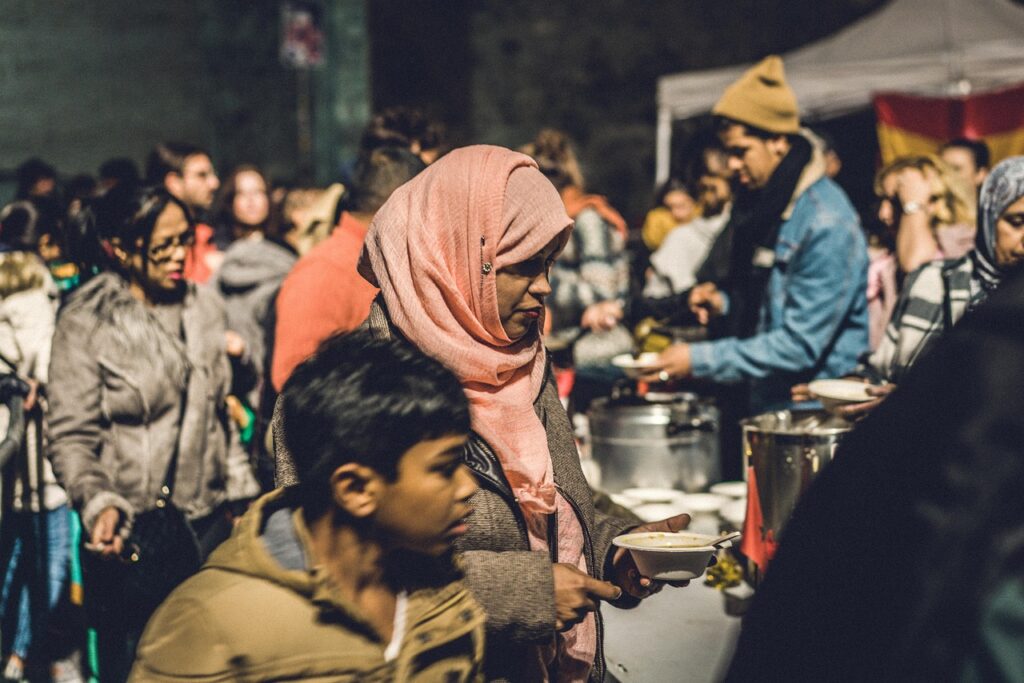
Mouraria is not only a historic quarter but also a social laboratory where grassroots initiatives dedicated to integration, culture and the local economy are born. Active organizations run music workshops, Portuguese classes for migrants, artist residencies and participatory street art projects. Many of these initiatives welcome curious visitors and accept volunteers or donations to support their activities.
One example is the Centro Cultural da Mouraria (Rua do Capelão 16, 1100-587 Lisboa) — a community cultural center offering workshops, exhibitions and concerts. Music or fado workshops can cost between €5 and €15 per session; exhibitions are often free or ask for a small symbolic ticket. Opening hours vary: weekday reception typically 10:00–18:00 with evening and weekend programs.
The cultural program regularly includes temporary exhibitions by local artists, photography residencies and educational projects for neighborhood youth. Taking part in a workshop or a guided visit organized by these groups is a respectful way to learn and help sustain local cultural life. If you want to support long-term, ask about patronage programs, buying artworks or donating to specific projects; many accept contributions online or on-site.
Engagement tips: favor local projects over large international NGOs if your goal is direct impact on Mouraria’s community. Always ask permission before photographing people, especially children, and learn about local customs. Foreign volunteers are often welcome, but be prepared for expectations regarding time commitment and language skills (Portuguese is a real plus).
5. Accommodation and practical tips: sleeping, getting around and respecting the neighborhood
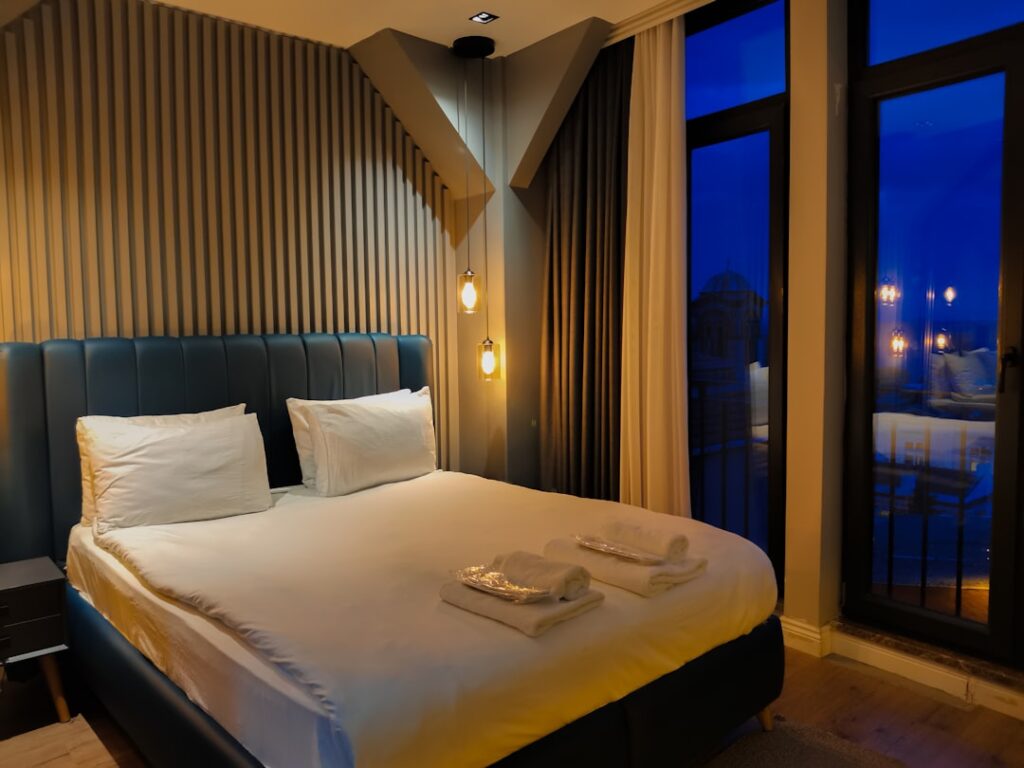
Mouraria offers a range of accommodation: small family guesthouses, hostels and holiday apartments. For a comfortable yet authentic stay, look for guesthouses or B&Bs run by locals. A typical example: « Guesthouse Mouraria » (Rua do Monte 7, 1100-315 Lisboa) offers simple rooms from €40 to €70 per night depending on season; check-in usually 14:00–22:00, check-out 11:00. Hostels in the area offer dorm beds from €12–25 per night.
Getting around: the neighborhood is very walkable. To reach other parts of the city, use Martim Moniz metro station (Praça do Martim Moniz, Linha Verde) or the many bus lines (Carris). The historic tram 28 runs nearby (frequent stops toward Baixa/Alfama) — a single tram ticket costs about €3 if bought at a machine, or use a Viva Viagem card (reduced fares per trip when topped up). Taxis and ride-hailing services (Uber, Bolt) operate normally; expect €6–12 for short trips to Baixa or Bairro Alto.
Safety and respect: Mouraria is generally safe, but as in any big city, stay alert at night in isolated alleys. Respect residents’ lives: keep your voice down in the evenings, avoid leaving trash behind, and don’t take intrusive photos of people’s homes or of residents without consent. Favor local shops for purchases — it’s a concrete way to support the neighborhood’s economy.
Additional practical info: post offices and pharmacies are all around Martim Moniz; most shops accept cards, but it’s useful to carry some euros in cash for tiny tascas and market stalls. In an emergency, dial 112 (European emergency number). For a successful visit, check local event listings (markets, concerts, workshops) often posted on noticeboards in Praça do Martim Moniz or on the Facebook/Instagram pages of local cultural centers.
Conclusion — Mouraria, a neighborhood to listen to and respect
Mouraria is an invitation to slow down, listen and share. The neighborhood doesn’t reveal itself in a single glance but through successive encounters: the baker who knows your order, the musician who improvises a fado, the child running between tables at a tiny café, the spice seller who explains a recipe from her country. Discovering Mouraria means accepting a daily kind of otherness that makes contemporary Lisbon so rich.
For the responsible traveler, Mouraria offers a model of respectful tourism: favor local businesses, take part in cultural activities organized by neighborhood associations, ask before photographing and contribute to social life with small gestures (eat with locals, attend a concert, buy an artwork from a local artist). The opening hours and prices in this guide are indicative: they may vary by season and special events — so it’s always useful to check online or by phone before you go.
Finally, remember that Mouraria is above all a living place. Respect, curiosity and patience will help you make the most of it: unexpected conversations, delicious dishes, shared musical moments and the feeling of having found a different Lisbon — less polished by tourism but more alive in its contrasts. When you leave the neighborhood, take with you not only photos but also a deeper understanding of Lisbon’s plural identity — and, if possible, a concrete contribution to a local project so Mouraria’s spirit can keep beating.