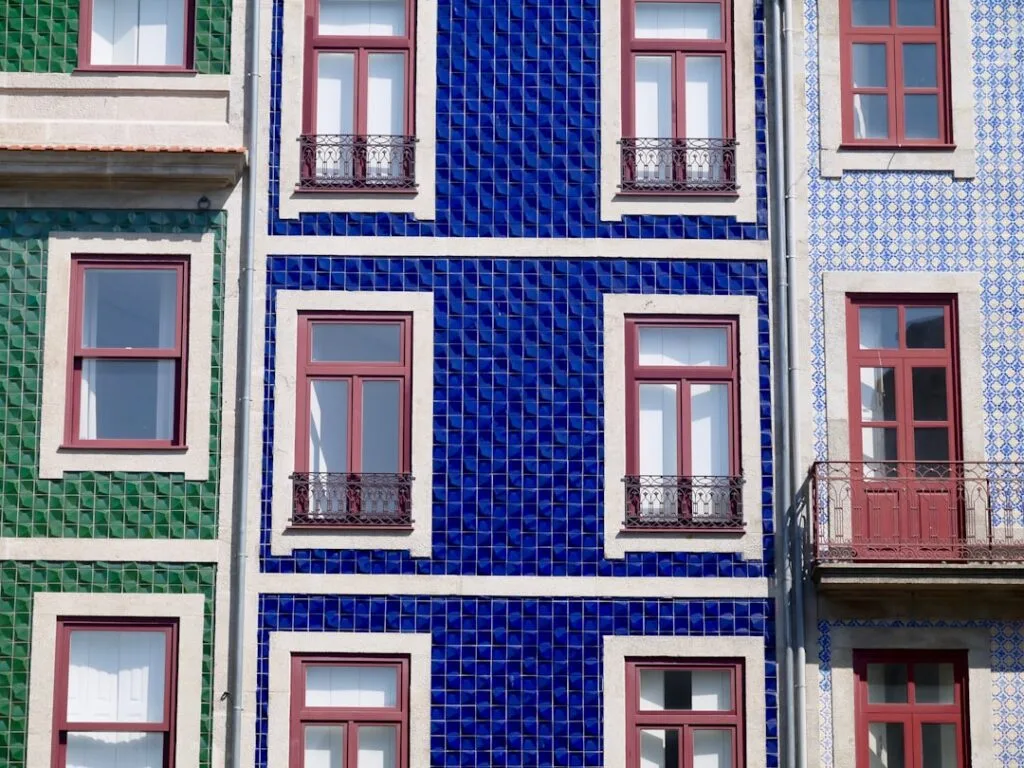






Introduction: Lisbon, a City That Reads and Its Talking Lanes
Lisbon reads like a novel: faded façades like yellowed pages, squares that are public chapters, cafés that still hold the scent of literary conversations. Walking the streets of Lisbon’s writers is like following real characters through their everyday sets — stone benches, creaking trams, miradouros that open the city to the Tagus — all clues to understanding the capital’s unique voice. This literary route invites you to stroll between Chiado, Bairro Alto, Alfama and along the river, to trace your fingers over commemorative plaques, push open the doors of century-old bookshops and house-museums, and sip coffee at the tables where Pessoa and his friends once philosophized.
The route mixes concrete landmarks — exact addresses, opening hours, admission prices — with immersive descriptions so your walk will be both practical and poetic. Whether you have a morning or a full day, this guide will point out must-see stops: cafés where today’s writers still linger, bookshops where you can touch first editions, the José Saramago Foundation that faces the sea, the Casa Fernando Pessoa where a great poet’s intimacy is rediscovered, and the Teatro Nacional D. Maria II, the theatrical cradle of Almeida Garrett.
I’ve laid out the itinerary at a walker’s pace: precise addresses, practical tips to save time (and euros), recommended time windows to avoid crowds, and visual suggestions for photographing these places in the best light. Bring your notebook, your comfiest shoes and a dash of curiosity: Lisbon will speak to you in a low voice, sometimes rough, always vibrant.
1. Chiado and Rua Garrett: Literary Heart and Historic Cafés (Chiado)
Start your route in Chiado, Lisbon’s most literary neighborhood. Rua Garrett is the neighborhood’s backbone: a pedestrian, lively street lined with bookshops, cafés and theaters. Here you’ll find institutions that embody the literary memory: Livraria Bertrand (the world’s oldest bookstore still in operation) and the famous café A Brasileira, with Fernando Pessoa’s statue at the entrance.
– Livraria Bertrand — Rua Garrett 73-75, 1200-203 Lisboa: free entry, shop open all day; typical opening hours 10:00–20:00 (check seasonally). The bookstore has kept its wooden shelves, narrow staircases and a selection of Portuguese editions, both classic and contemporary. It’s the perfect place to find original works, bilingual editions and literary souvenirs.
– A Brasileira — Rua Garrett 120, 1200-203 Lisboa: an emblematic café frequented by Fernando Pessoa. Typical hours 09:00–01:00. Expect about €2.50–4.50 for a traditional coffee; pastry plates vary by season. Inside, the statue of Pessoa sitting on the terrace invites selfies and daydreaming.
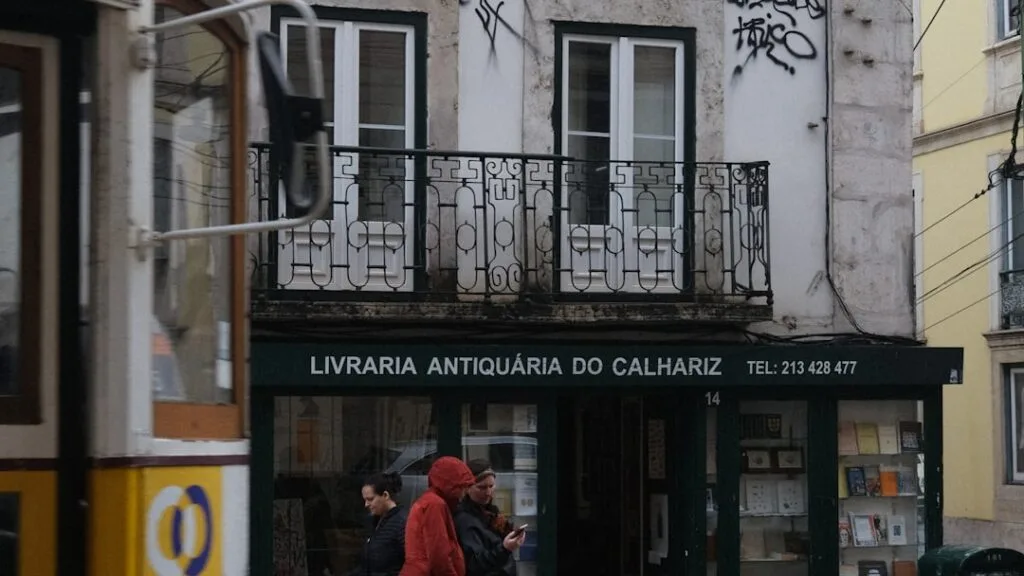
Rua Garrett is also ideal for wandering: publisher windows, travel bookshops and newsstands invite you to leaf through. In the morning, low light grazes the façades and the cobbles reflect the sky; in the evening, lanterns add an intimate warmth to the neighborhood. For photographing the avenue, choose morning or late afternoon: the side light brings out signs and the textures of the façades.
Practical tips: avoid Rua Garrett between noon and 3pm in high season (heavy tourist traffic). If you’re after rare editions, ask the staff at Livraria Bertrand; they usually speak English and can order a volume. Card payments are accepted everywhere, but have a few coins on hand for a quick coffee.
2. Fernando Pessoa and His House: Poetic Intimacy (Campo de Ourique / Rua Coelho da Rocha)
Fernando Pessoa (1888–1935) is one of the giants of Portuguese poetry. His presence is everywhere: plaques, statues, cafés. To step into his intimate world, visit the Casa Fernando Pessoa, which recreates the poet’s intellectual atmosphere and hosts readings and temporary exhibitions.
– Casa Fernando Pessoa — Rua Coelho da Rocha 16, 1150-088 Lisboa: typical opening hours Tuesday–Sunday 10:00–18:00, closed Monday. Free entry to the permanent museum; temporary exhibitions often cost (€3–6 depending on the show). The venue also offers a dedicated library available on site.
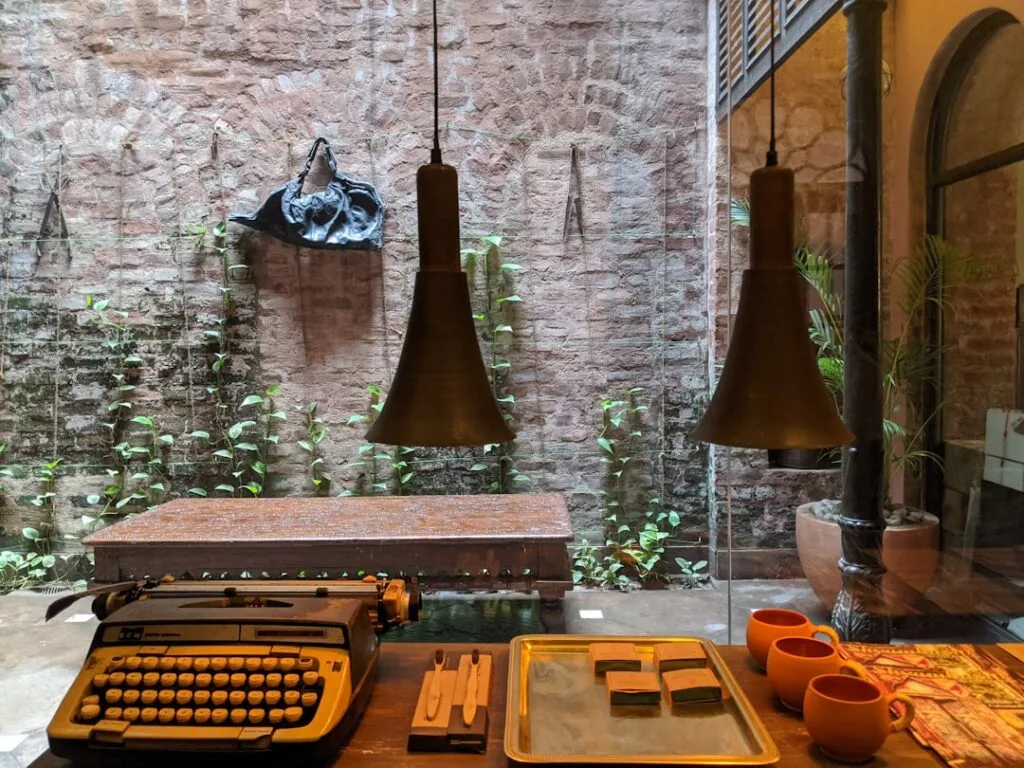
The Casa Fernando Pessoa visit is on foot, inside an unassuming building that breathes both intimacy and scholarship. The reconstructed rooms display correspondence, old editions and personal objects. You can feel the multiplicity of his heteronyms — Alberto Caeiro, Ricardo Reis, Álvaro de Campos — through audio excerpts and reproduced manuscripts. The route is short but dense: each display case is a door to a different voice.
Practical tips: check the schedule for readings and talks — Casa Fernando Pessoa frequently holds literary evenings (often free or low-cost). The library may require registration to consult some rare items; bring ID. If you’re a photographer, check internal rules (flashes and photography in certain rooms are often restricted).
3. José Saramago Foundation and Alfama: Novel, Memory and Light (Alfama / Ribeira das Naus)
José Saramago, Nobel laureate in Literature in 1998, left Lisbon a foundation housed in a remarkable building: the Casa dos Bicos, which faces the Tagus. The Fundação José Saramago is simultaneously a documentation center, exhibition space and a place of homage to the writer’s work.
– Fundação José Saramago — Casa dos Bicos — Rua dos Bacalhoeiros 10, 1100-139 Lisboa: typical hours Tuesday–Sunday 10:00–18:00, closed Monday. Permanent access to the foundation is often free; temporary exhibitions usually charge around €3–6. The ticket desk at reception provides information in Portuguese and English.
The Casa dos Bicos, with its diamond-cut stone façade, creates a striking contrast against the river. Inside, the exhibition space puts Saramago in dialogue with the city: manuscripts, correspondence, foreign editions and projections. Afterwards, lose yourself in Alfama, the neighboring old quarter that inspired many literary pages: narrow alleys, spiral stairways, small churches, terraces where fado still sings the city. The light here is harsh at midday, golden at sunset.
Practical tips: combine the foundation visit with a walk along Cais do Sodré or Ribeira das Naus for a riverside perspective. In the evening, Alfama comes alive with restaurants and fado taverns — book ahead if you want a dinner with a performance. Wear shoes with good grip for Alfama’s cobbles and stairways.
 Click here to book an Alfama fado evening with a port wine tasting
Click here to attend a fado show at Lisboa em Fado
Click here to book a skip-the-line ticket for São Jorge Castle

The Casa dos Bicos, with its diamond-cut stone façade, creates a striking contrast against the river. Inside, the exhibition space puts Saramago in dialogue with the city: manuscripts, correspondence, foreign editions and projections. Afterwards, lose yourself in Alfama, the neighboring old quarter that inspired many literary pages: narrow alleys, spiral stairways, small churches, terraces where fado still sings the city. The light here is harsh at midday, golden at sunset.
Practical tips: combine the foundation visit with a walk along Cais do Sodré or Ribeira das Naus for a riverside perspective. In the evening, Alfama comes alive with restaurants and fado taverns — book ahead if you want a dinner with a performance. Wear shoes with good grip for Alfama’s cobbles and stairways.
4. Theatre and Playwriting: Teatro Nacional D. Maria II and Almeida Garrett
Theatre holds a central place in Portuguese literary history. Almeida Garrett (1799–1854), a writer and statesman, was a pioneer of Romantic theatre in Portugal and a driving force behind a theatrical renewal. The Teatro Nacional D. Maria II, located on Praça Dom Pedro IV (Rossio), embodies this tradition.
– Teatro Nacional D. Maria II — Praça Dom Pedro IV (Rossio), 1100-200 Lisboa: box office and guided tour availability vary with programming. Ticket prices for performances generally range from €5–€40 depending on seat and show; guided theatre tours are usually around €5–€7. The box office is typically open 10:00–19:00, with hours changing on performance days.
Click here to book tickets for the Classical Nights concert in Lisbon

The theatre’s neoclassical façade dominates Rossio. Inside, the foyer and auditorium retain an old-world elegance that transports visitors into the heart of romantic dramas and contemporary plays. Seeing a performance is to experience the continuity of a literary tradition that has long dialogued with Portuguese society.
Practical tips: for a guided tour, book ahead, especially in high season. If you want the full experience, check the schedule to see a play in the original language (sometimes surtitled): Portuguese theatres often stage both classics and contemporary works. Rossio and its nearby cafés are perfect for extending an evening.
5. Strolls, Side Streets and Independent Bookshops: Finding Today’s Voice
Beyond the landmarks, Lisbon’s literary life hides in small independent bookshops, local publishers and posters for literary events. Wander through Bairro Alto, around the Miradouro de São Pedro de Alcântara, and head down toward Baixa to unearth treasures.
– Miradouro de São Pedro de Alcântara — Rua de São Pedro de Alcântara, 1200-470 Lisboa: a viewpoint offering a panoramic city view, ideal at sunset; open 24/7 (recommended daytime and sunset visits for safety and light).
Click here to book a photoshoot to capture your Lisbon adventure
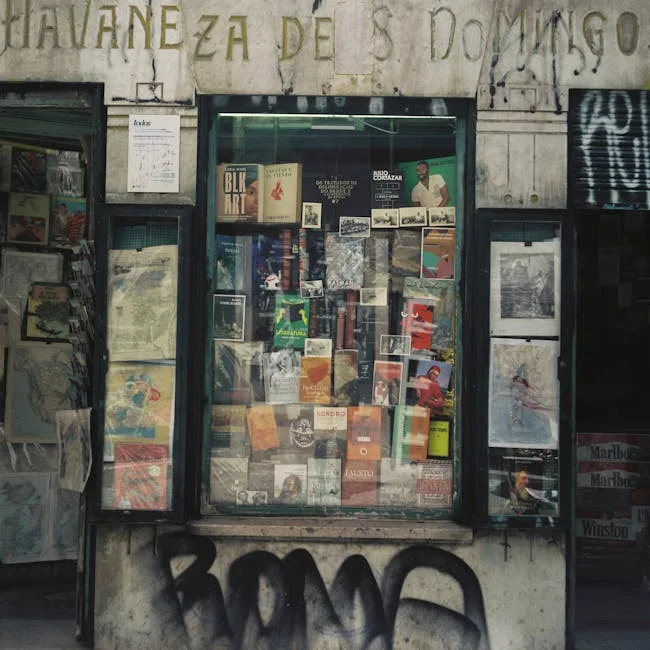
Look out for independent bookshops: small presses, local publishers and secondhand stores where books bear notes from previous readers and sometimes dedications. Don’t hesitate to step in and exchange a few words in Portuguese: a smile and an “olá” often open conversations about local authors and current events.
Practical tips for walking:
- Transport: favor tram 28 for the atmosphere but walk to really feel the city. Nearest tram stop to Chiado: Praça Luís de Camões.
- Terrain: walkers, beware of calçada portuguesa — uneven stone pavements. Closed shoes with grippy soles are recommended.
- Lisboa Card: may include some museums or reduce transport costs; useful if you combine several sites.
- Timing: early morning (8:30–10:30) for photos without crowds; late afternoon for warm light.
- Money: cards are accepted widely; keep some euros in cash for small purchases or tips.
Conclusion: Writing Your Own Lisbon Page
This literary route through the streets of Lisbon’s writers is as much a historical discovery as an invitation to continue the reading. Between Rua Garrett and Casa Fernando Pessoa, between Casa dos Bicos and Teatro Nacional D. Maria II, the city offers settings where literary past and contemporary creation converse. You might leave with a signed book, a photo at the foot of Pessoa’s statue, or simply the feeling that Lisbon has spoken to you in a hushed voice.
A few final tips for a successful experience: plan visits according to opening hours, prioritize mornings for museums and late afternoons for miradouros, book online for temporary exhibitions and theatre shows, and always leave room for the unexpected — a bookshop found down a side street can turn out to be your best find. Finally, keep the addresses and hours of the key places mentioned here in your pocket so you can return to whatever moved you.
Lisbon reads in layers: some pages require long stops, others are savored in passing. By following this itinerary you’ll have a map that’s both practical and sensorial of the city of writers — but more importantly, the permission to draw your own lines, sit at a table, open a book and listen as the city continues its story.