





Introduction: why follow an artisan shopping itinerary in Lisbon?
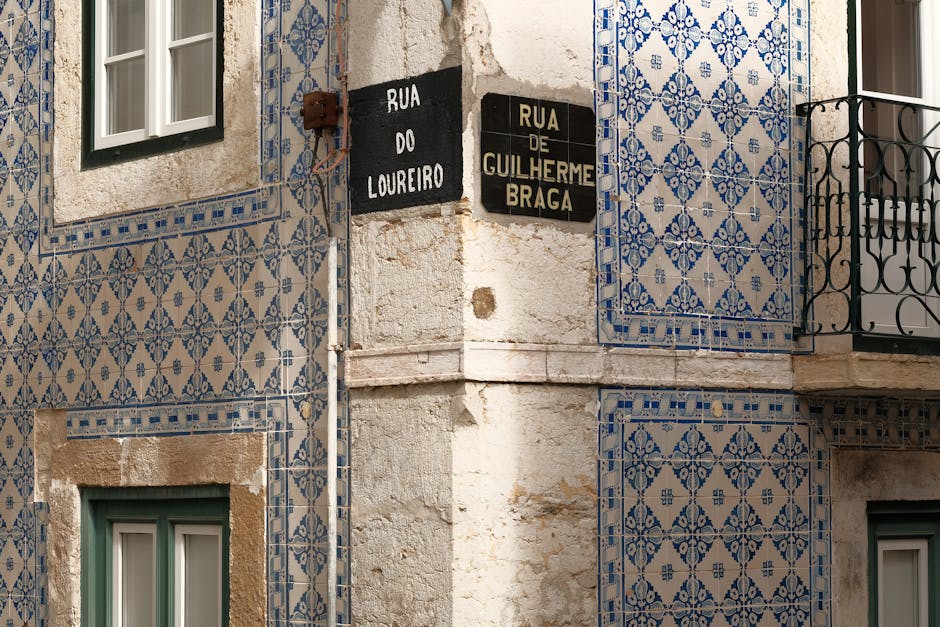
Lisbon mixes the bold colors of azulejos, the aroma of freshly ground coffee and the tactile warmth of cork. Unlike a trip to an international shopping mall, an artisan shopping itinerary in Lisbon immerses you in local history, traditional crafts passed down through generations and contemporary designers who reinterpret classic patterns. Across Alfama, Chiado, Príncipe Real and LX Factory you’ll find one-of-a-kind items: hand-painted tiles, cork bags, glazed ceramics, filigree jewellery, embroidered textiles and elegantly packaged gourmet preserves.
This guide lays out a five-day route for anyone wanting to bring home authentic pieces and to understand the city through its makers. You’ll find full shop names, exact addresses, price ranges in euros, opening hours and practical buying tips (how to haggle, ship items and spot quality). I also describe the vibe of each neighborhood: Alfama’s morning light, Chiado’s arcades, Príncipe Real’s terraces and LX Factory’s graffiti.
A few quick tips before you go: bring a sturdy backpack for fragile purchases, have some cash for small buys, carry a bank card (most shops accept Visa/Mastercard) and if you spend more than €50 before tax and you live outside the EU, ask about tax-free forms. Opening hours are indicative: double-check before you visit — many workshops close in the afternoon or keep special hours during national holidays.
Day 1 — Alfama and Feira da Ladra: flea market finds, vintage jewellery and azulejos
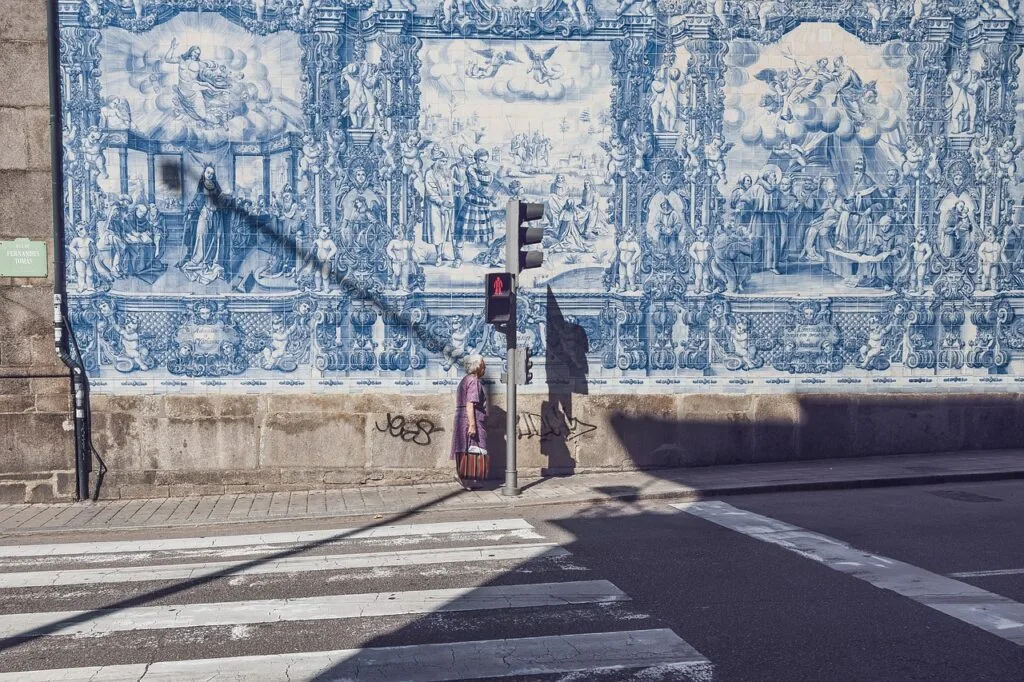
Start your exploration in Alfama, Lisbon’s oldest quarter, where winding streets lead up to the Castelo de São Jorge. If you like hunting for treasures, the must-see first stop is the Feira da Ladra, Lisbon’s historic flea market. Address: Campo de Santa Clara, 1100-471 Lisboa. The market runs on Tuesdays and Saturdays; hours: typically 08:00–17:00 (confirm seasonally). You’ll find everything from old postcards and vintage buttons to second-hand jewellery, small ceramics and sometimes individual azulejos.
Typical prices at the market: postcards and trinkets €1–10, second-hand brooches/jewellery €10–50, individually hand-painted azulejos €15–60. Tip: arrive early to avoid crowds and score the best pieces; after 15:00 prices sometimes drop, but the best finds are often gone by then. Don’t be afraid to offer 20–30% less than the marked price when items are available in multiples, but always be polite — haggling here is friendly.
In Alfama’s lanes you’ll also come across tile-restoration workshops and small family-run shops. To learn about production and better judge quality, visit the Museu Nacional do Azulejo (address: Rua Madre de Deus 4, 1900-312 Lisboa). Opening hours: Tuesday–Sunday 10:00–18:00 (closed Mondays). Admission: around €5–10 depending on temporary exhibitions. The museum helps you understand patterns and spot restored tiles versus mass-made reproductions.
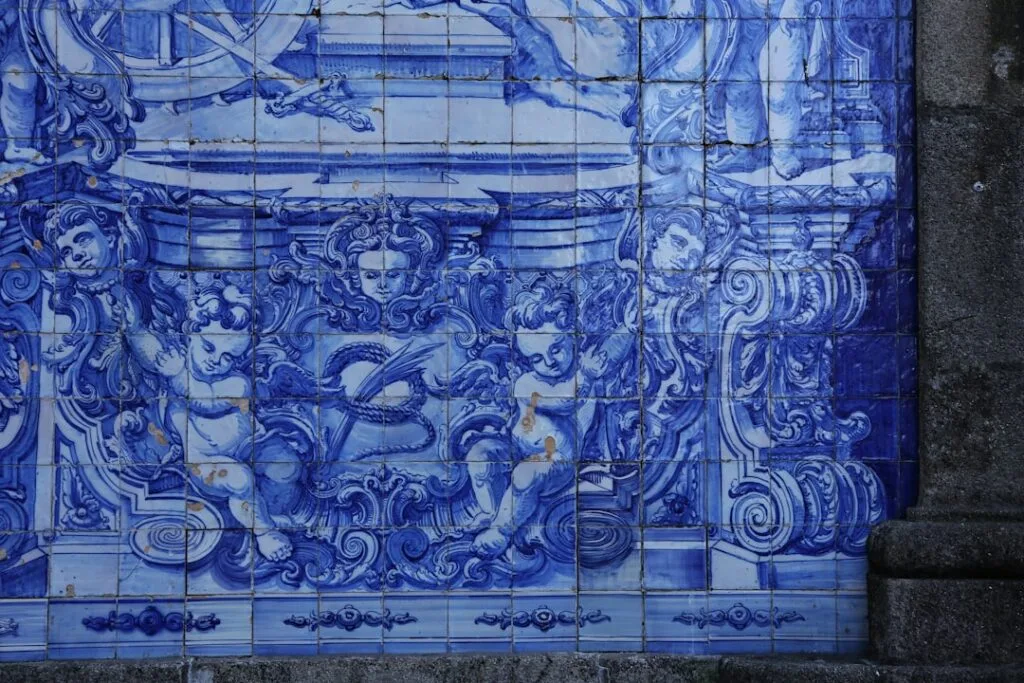
Local practical tip: if you buy azulejos, ask the seller how they were glazed and whether they’re intended for wall use or decorative purposes. Older tiles often have natural patina and subtle crazing; contemporary reissues are more uniform and less fragile. For transport, have the tiles wrapped in bubble wrap or buy a rigid carrying case from specialised bookstores.
 Click here to book entry to São Jorge Castle and a self-guided city tour

Day 2 — Chiado and Baixa: classics, retro gifts and A Vida Portuguesa
Chiado is the neighborhood of literary cafés, refined shops and artisans who preserve the “Portuguese style.” Start at the famous store A Vida Portuguesa, an institution for vintage-inspired objects, artisan soaps, tins and quality stationery. Address: Rua Anchieta 11, 1200-023 Lisboa. Opening hours: Monday–Saturday 10:00–19:00, Sunday 11:00–18:00. You’ll find traditional soaps (€6–15), collectible sardine tins (€10–25) and branded stationery (€5–30).
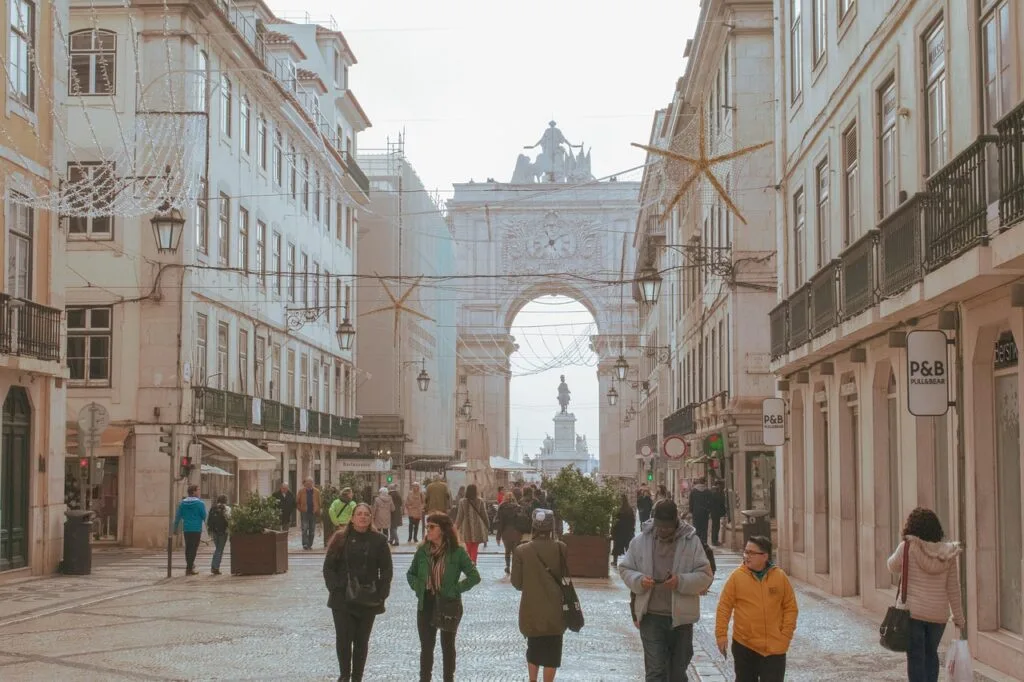
In adjacent streets (Rua Garrett, Rua do Carmo) look out for fine jewellery workshops, small leather stores and second-hand bookshops. The Convento do Carmo (gothic ruins) and the Elevador de Santa Justa offer great viewpoints and often inspire purchases of local lithographs or prints.
Price ideas: a pair of Portuguese filigree earrings from a Chiado artisan can range from €30 to €120 depending on the silver and detail. Cork bags (a Portuguese staple) typically cost €25 to €150 for designer pieces. Tip: for practical gifts, buy a designer sardine tin (€10–20) or a bag of artisan-roasted coffee (€5–12).
Click here to book your ticket for the Rua Augusta Arch
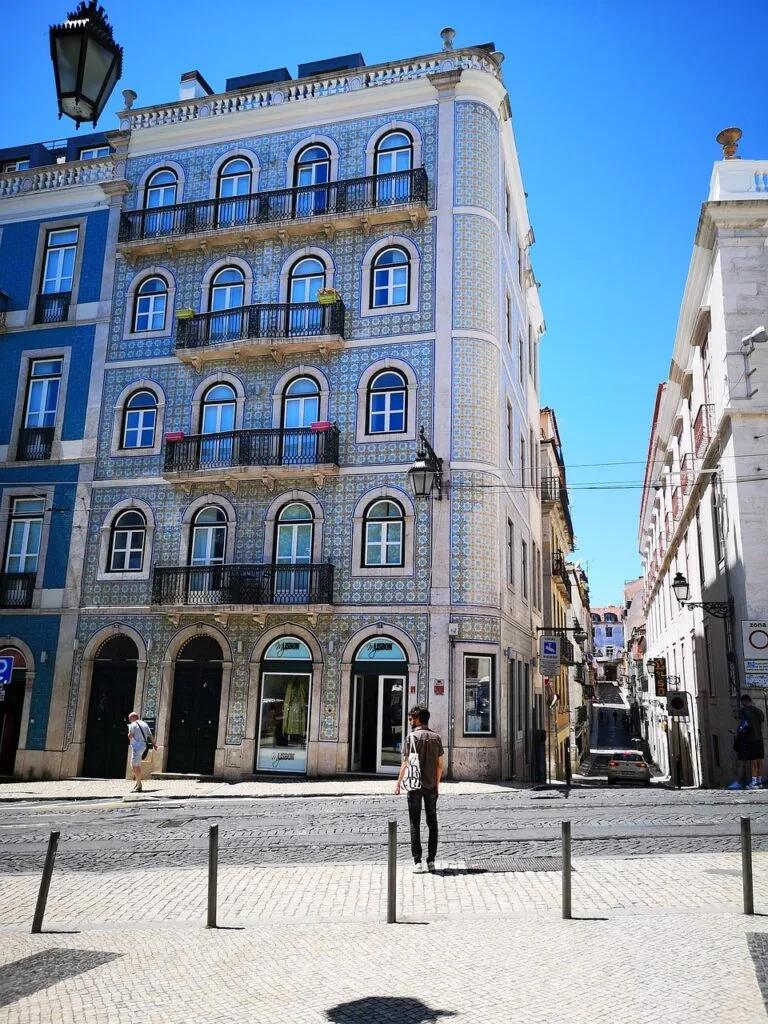
Practical note: Chiado is very touristy; most shops accept cards but keep some cash for small ateliers that display “dinheiro.” If you buy several bulky items, ask whether the shop offers shipping; many stores provide international delivery (costs vary, typically €20–60 depending on weight and destination).
Day 3 — Príncipe Real and Embaixada: designers, concept stores and plants
Príncipe Real blends bourgeois elegance with a crop of young designers. The most visible concept shopping spot is GALERIA EMBAIXADA, a former aristocratic townhouse transformed into a gallery of boutiques. Address: Praça do Príncipe Real 26, 1250-184 Lisboa. Opening hours: daily 10:00–20:00 (individual stores may vary). You’ll find Portuguese clothing brands, contemporary jewellery, modern ceramics and small publishers.
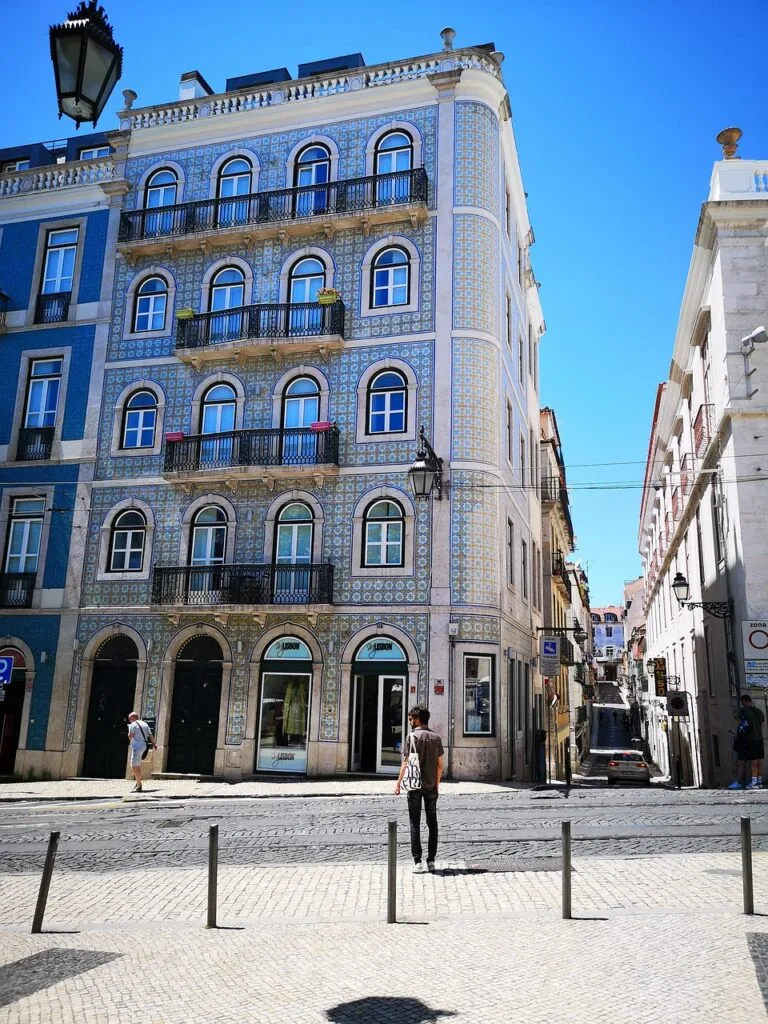
Around the Príncipe Real garden, explore independent boutiques. You’ll find jewellery designers working in gold and silver (prices €40–300 depending on the piece), contemporary ceramics (bowls, vases €25–150) and plant shops selling terrariums and artisan pots — a great living gift idea. If you enjoy home décor, hunt down shops that do lacquer and Portuguese linen.
Practical tip: on Saturdays the organic and design market around the garden (Praça do Príncipe Real) gathers food producers, makers and live demonstrations. Typical hours: 09:00–15:00. It’s a perfect spot to sample local products before buying for gifts: artisanal olive oils (€10–30), small-batch honey (€8–20) and homemade jams (€5–12).

If you want unique pieces, ask whether the maker can personalise items: engravings on jewellery, colour choices for a cork bag, or a bespoke order for ceramics. Lead times vary from three days to several weeks; most stores accept email contact and request a 30–50% deposit.
Day 4 — LX Factory and workshops: design, books and conceptual objects
For an industrial, modern vibe, spend a day at LX Factory, a former factory complex reborn as a creative hub. Address: Rua Rodrigues de Faria 103, 1300-501 Lisboa. Hours: typically 10:00–20:00 on weekdays, with extended weekend evenings during events. It’s ideal for Portuguese contemporary design, limited editions, prints, leather goods and artist studios.
Click here to book a professional photoshoot in Lisbon

Highlights: the Livraria Ler Devagar bookstore (at the heart of LX Factory) is famous for its atmosphere and independent editions; many local illustrators sell prints and posters there (posters €10–50). Creators’ studios offer objects in concrete, reclaimed wood and contemporary jewellery (prices €20–200). On Sundays LX Factory often hosts pop-up markets (variable hours).
For design pieces expect price ranges like: lamps and décor €50–350, small-format furniture €80–600, signed art prints €40–400. Many makers accept custom commissions; ask for a quote and allow for production time.
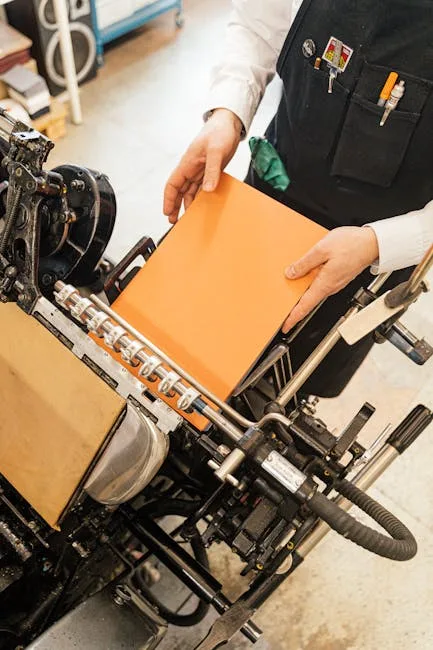
Logistics tip: LX Factory is reachable by taxi, public transport (bus and tram) and Uber. If you buy furniture or heavy items, negotiate delivery with the maker: some deliver across Europe (rates quoted case by case). For prints and small pieces, ask if they can provide protective packaging for travel.
Day 5 — Mercado da Ribeira (Time Out Market) and gourmet takeaways
Finish your shopping route with a visit to Mercado da Ribeira / Time Out Market Lisboa, a blend of gastronomy and artisan stalls. Address: Avenida 24 de Julho 49, 1200-479 Lisboa. Hours: typically 10:00–02:00 (extended on weekends), though individual stall times vary. The ground floor hosts stands selling local food products: fine tins, spices, cheeses, oils and wines.
Click here to taste Port wines and a pastel de nata
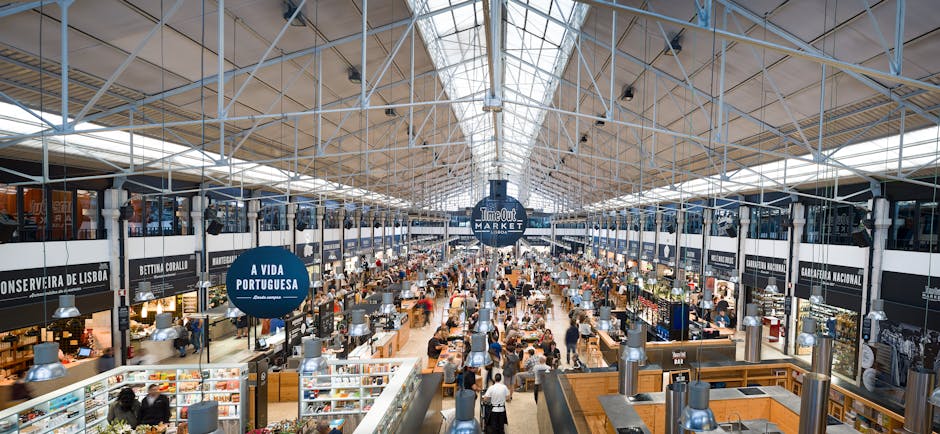
Price ideas and gift picks: a gourmet sardine tin costs €6–20 depending on the brand; a 250 ml bottle of small-producer extra virgin olive oil is often €8–25. For artisanal chocolate or cookies budget €5–20. The market is also a great place to sample and then track down the producer for larger purchases.
Nearby you’ll find shops specialising in premium tinned fish, honeys and teas. If you want to bring bulky edible souvenirs, prioritise shipping: many stalls offer national or international shipping or can recommend a packing service.

Practical tip: if you buy food for an international flight, check your country’s customs rules on food imports. Non-EU travellers, keep your receipts: for large purchases ask the shop for a tax-free form (fill it out in-store) and get it stamped at the airport — refunds can be around 12–15% depending on the amount and store.
General practical tips for shopping in Lisbon
– Transporting fragile purchases: bring a hard-sided bag or ask for bubble wrap. Reputable shops often provide reinforced packaging.
– Opening hours: many workshops close for a siesta (between 13:00 and 15:00); favour mornings or late afternoons. Museums and markets have specific hours: verify on official sites.
– Payment methods: cards accepted almost everywhere but keep €20–50 in cash for markets and small ateliers.
– Haggling: stay polite and smile; offer 10–30% less on unpriced items if paying cash and buying multiple pieces. Galleries and designer boutiques are less likely to negotiate.
– Tax Free: if you live outside the EU ask for the tax-free form for purchases above the threshold (usually > €50 per shop). Have your paperwork stamped at departure.
– Language: English is widely spoken in tourist shops; a friendly tip: learning a few Portuguese words (Obrigado/Obrigada, Bom dia, Quanto custa?) often opens doors and earns extra help from sellers.
Conclusion: value, longevity and meaningful souvenirs
A neighborhood-by-neighborhood artisan shopping itinerary in Lisbon reveals the city in a different light: behind every shop there’s a history, a repetitive craft practiced for decades or a contemporary experiment. Authentic souvenirs — hand-painted azulejos, cork leather goods, glazed ceramics, filigree jewellery and premium tins — are both practical objects and witnesses to a place. They tell the story of your visit and support the local economy.
With a little planning (timing, transport, packaging) and simple commercial etiquette you’ll get the most from your experience: buy consciously, check quality, ask for authenticity certificates or production details, and prefer buying directly from the artisan when possible. For pricier items request guarantees, information about material composition (silver 925, treated cork, food-safe glaze for ceramics) and after-sales service.
Finally, remember Lisbon is more than shopping: take time for a coffee at a pastry shop, an evening fado, or a walk along the Tagus. Those moments turn material souvenirs into living memories. Safe travels, and may your suitcases fill with authentic objects and stories to tell.
Click here to attend a live fado show in authentic Alfama