





Introduction: Lisbon — quietly green
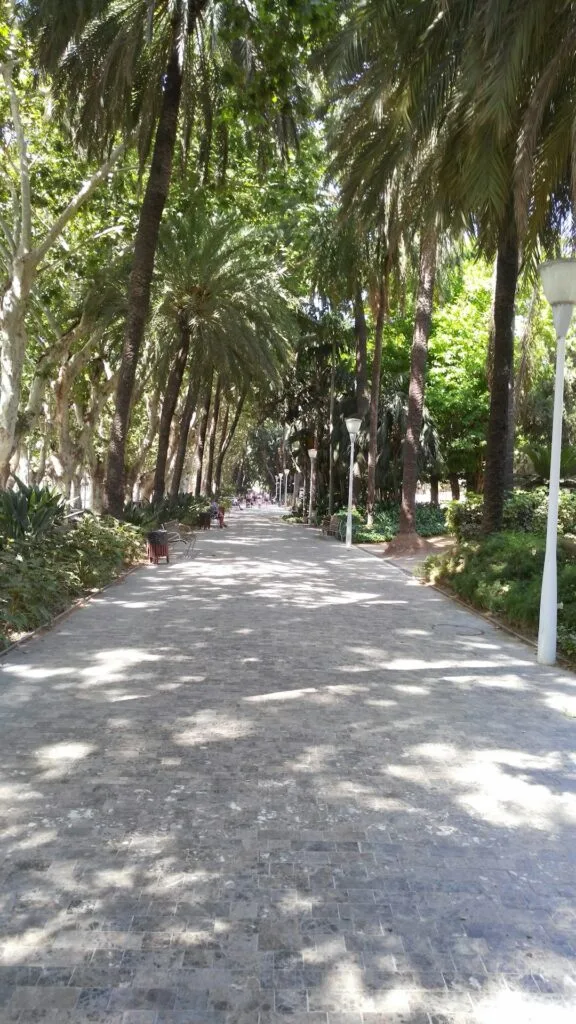
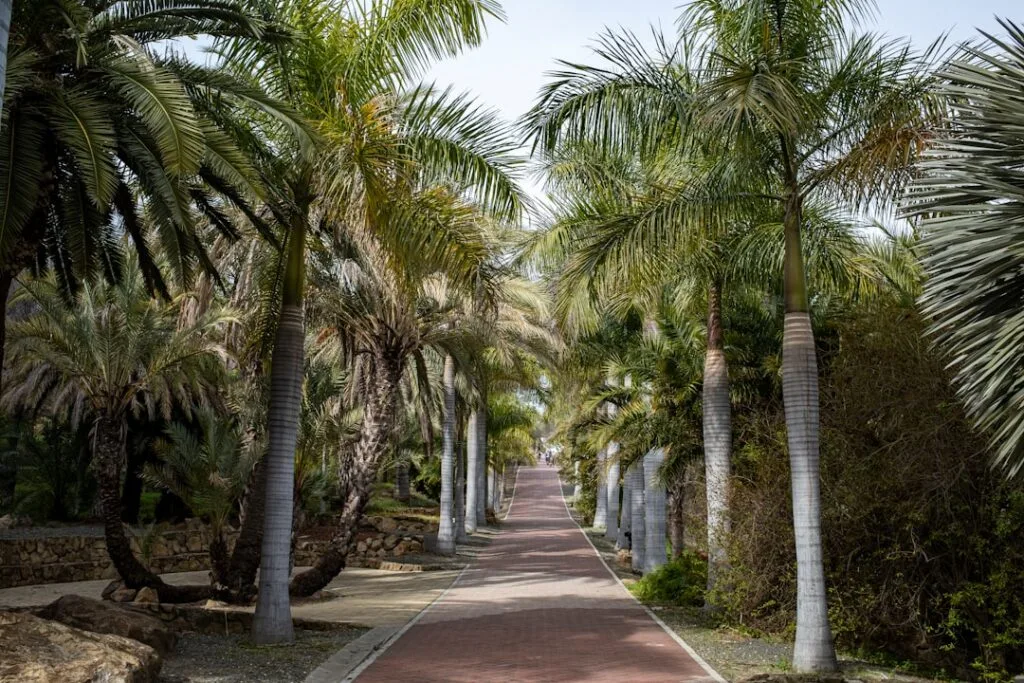
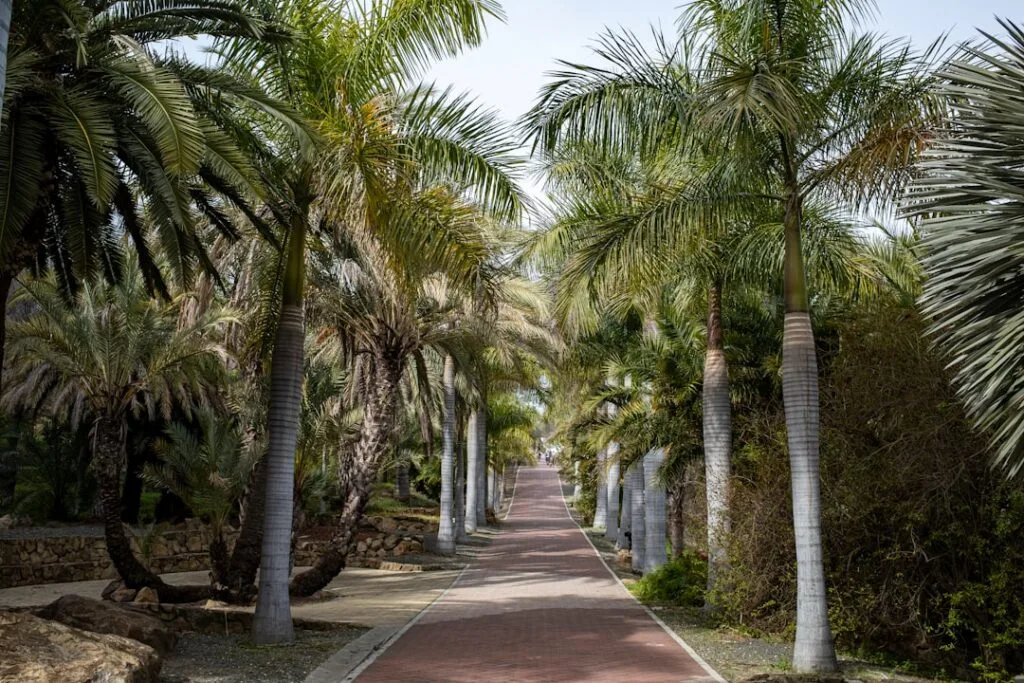
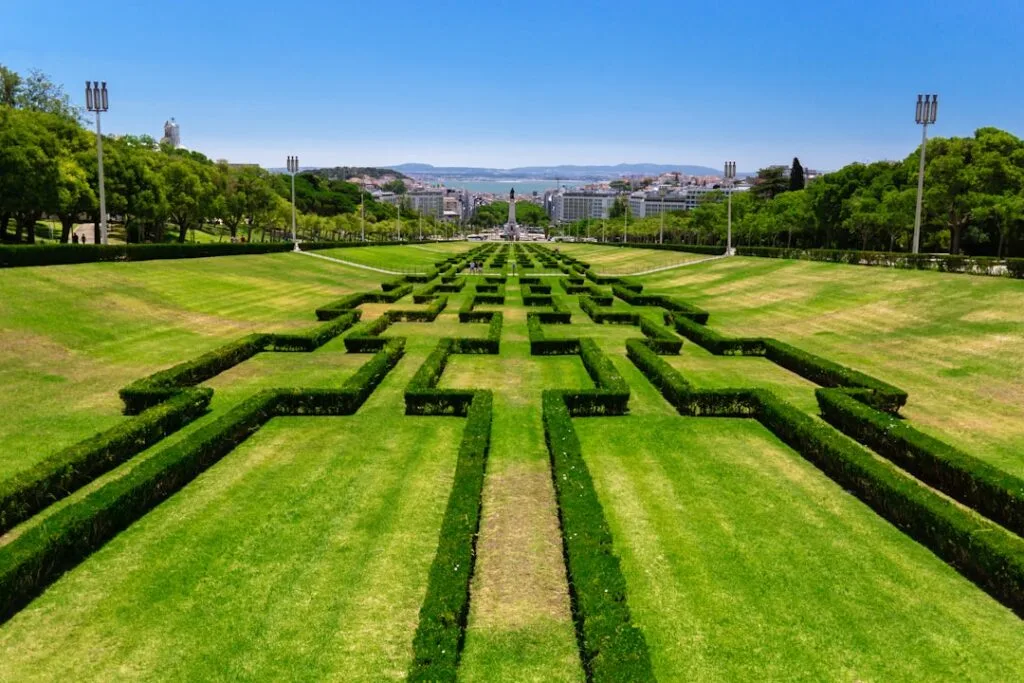
Lisbon is often pictured through its sunlit viewpoints, yellow trams and cobbled lanes. But behind that postcard image lies another side of the city: a subtle web of parks and gardens tucked away between palaces, hills and residential streets. These spots provide unexpected breaths of fresh air — shady corners where Lisboetas read, sip coffee or watch birds. This guide focuses on those « green strolls » off the well-worn tourist tracks — historic gardens, urban nature reserves and botanical courtyards that tell the ecological and social story of Portugal’s capital.
This article outlines five specific walks with full names, exact addresses, opening hours and prices in euros, plus immersive descriptions for each place. Whether you’re a photographer hunting for perfect light, a family seeking a play spot, a runner looking to vary your routes, or a curious traveler eager for local tales, you’ll find practical tips to make the most of your visit: best times to beat the crowds, recommended transport, nearby shops and rules of conduct.
The gardens listed aren’t necessarily « hidden » attractions by default, but they often retain a calm most tourist routes bypass. Sometimes a single side street is enough to drop you into a shaded avenue, a lily-filled pond or the forgotten façade of a palace. Through the sections you’ll also discover smells (mimosas, jasmine, pines), textures (moss on old walls, worn cobbles, fresh lawns) and sounds (birdsong, the trickle of a fountain) that make each garden unique.
Before you go, keep a few simple rules in mind: respect the plants, take your rubbish with you, don’t pick the flowers, and check official hours on public holidays. Without further ado, join me for five green walks in Lisbon — from the academic botanical garden to Monsanto’s forested folds — for a slow, sensory exploration of the capital.
1) Jardim Botânico da Universidade de Lisboa (Botanical Garden)
Address: Rua da Escola Politécnica 58, 1250-102 Lisboa
Opening hours: Tuesday to Sunday 10:00–18:00 (last entry 17:30), closed Monday
Price: full €4.00 / reduced €2.00 (students, seniors, school groups)
The Jardim Botânico da Universidade de Lisboa is a sanctuary of botanical collections created for study and conservation. Pushing through the gate, you enter a world arranged by plant families: humid greenhouses where palms and ferns reach skyward, rows of conifers planted decades ago, and a small dry garden showcasing Mediterranean species. Educational panels (in Portuguese and often English) explain plant origins and their ecological roles.
 Click here to book a photoshoot to capture your Lisbon adventure
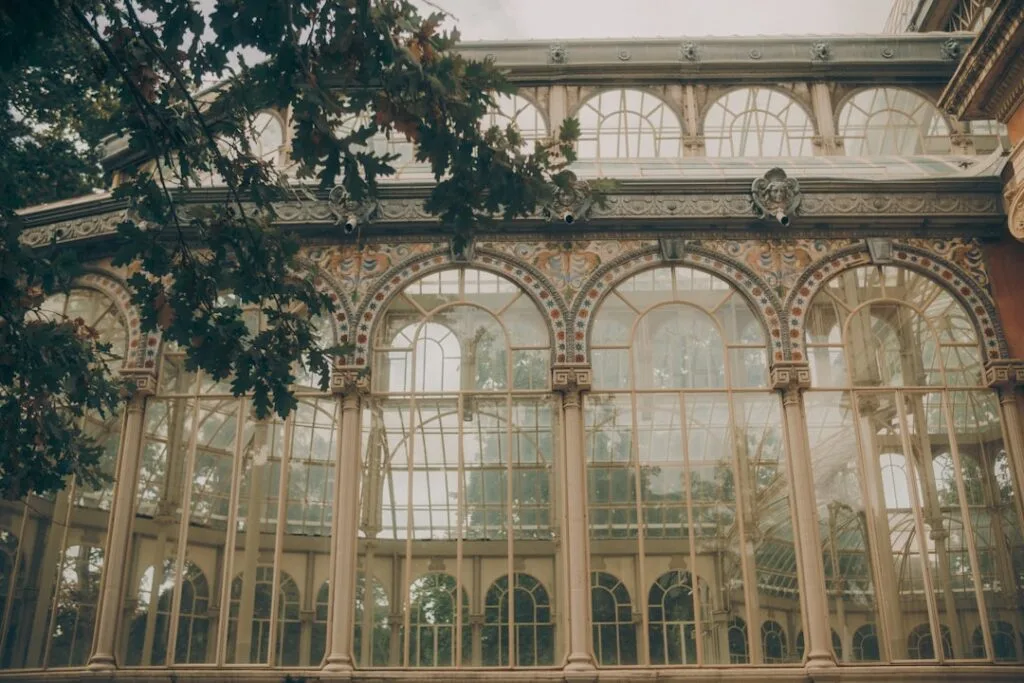
Highlights include the large Victorian glasshouse, the cactus collection and the small central pond that attracts dragonflies. The site is ideal for photographers chasing green backlighting and for families thanks to shaded picnic areas (clearly marked). The garden also runs occasional guided tours and children’s workshops focused on pollination and composting.
Practical tips
- Arrive in the morning to avoid school groups and enjoy soft light for photography.
- The garden is reachable by bus (line 28E stops nearby); allow 2–3 km on foot from Rossio station.
- Restrooms on site; a shop selling books and seeds is available at the entrance.
- Respect signage: some sections are reserved for researchers.
2) Jardim do Príncipe Real and Praça do Príncipe Real
Address: Praça do Príncipe Real, 1250-096 Lisboa
Opening hours: open access, park generally used from 07:00 until 22:00; organic market Saturdays 09:00–14:00
Price: free
At the top of the Príncipe Real neighborhood, the square and its garden form a bohemian microcosm of Lisbon. Famous for its large cedar and stone benches under plane trees, the garden is a meeting point for locals and visitors. On Saturday mornings, the organic market (Mercado Biológico do Príncipe Real) turns the square into an Aladdin’s cave of local produce: artisan cheeses, sourdough breads, organic vegetables and freshly cut flowers.
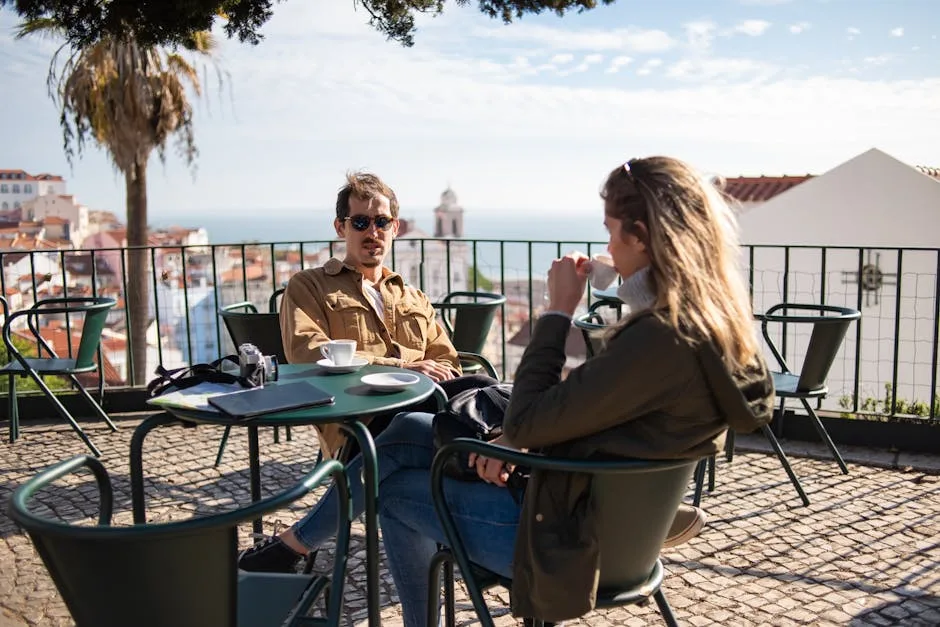
Paths weave into a small maze of benches and flowerbeds. To the west, an elevated terrace looks out over rooftops and private gardens. The cafés and concept stores lining the square invite you to linger with a bica (espresso) or a Portuguese pastry. The quiet of the garden on weekdays contrasts with the buzz of the Saturday market.
Click here to book a photoshoot to capture your Lisbon adventure
Paths weave into a small maze of benches and flowerbeds. To the west, an elevated terrace looks out over rooftops and private gardens. The cafés and concept stores lining the square invite you to linger with a bica (espresso) or a Portuguese pastry. The quiet of the garden on weekdays contrasts with the buzz of the Saturday market.
Practical tips
- The Saturday market draws crowds: if you want quiet, visit on a weekday or early morning.
- Food options: try the small bakeries on Rua Dom Pedro V or cafés around Largo do Rato.
- Getting there: metro (Rato or Avenida stations), buses and trams; Rossio station is about a 20-minute walk.
- The garden is child-friendly; watch out for stone furniture which can be slippery after rain.
3) Jardim da Estrela and Basílica da Estrela
Address: Praça da Estrela, 1200-667 Lisboa (main entrance facing the Basílica da Estrela)
Opening hours: open daily 07:00–21:30
Price: garden access free; Basílica da Estrela visit varies (generally €2.00–€3.00 for the bell tower)
The Jardim da Estrela is a 19th-century romantic park designed with meandering paths, statues, fountains and a wide variety of exotic and local trees. Positioned in front of the majestic Basílica da Estrela, the park feels almost provincial — perfect for contemplative walks. Lawns ripple around a central greenhouse and a café-garden where regulars take their time reading or watching passersby.

Points of interest include the rose garden, the small duck pond and the always-busy children’s playground. The park also hosts outdoor concerts during summer festivals and temporary exhibitions. Benches under shrubs and wrought-iron seats offer hideaways for a shady reading break.
Click here to book tickets for a Lisbon classical concert
Practical tips
- Visit the Basílica da Estrela just before or after the park for a full cultural immersion (climb the dome for superb views).
- The area is served by trams 25 and 28; several bus lines stop nearby.
- Morning is excellent for photography: the basilica’s façade catches warm light.
- Respect resting areas and avoid playing ball on the main lawns.
4) Tapada das Necessidades (Jardim das Necessidades) and Palácio das Necessidades
Address: Tapada das Necessidades, Rua das Necessidades, 1300-221 Lisboa (near Palácio das Necessidades)
Opening hours: generally open daily 08:00–18:00 (hours may change for official events)
Price: free
The Tapada das Necessidades is a semi-wild green space linked to the Palácio das Necessidades, a former royal residence now used for diplomatic purposes. This garden mixes informal copses, wide lawns, ivy-covered low walls and little nooks where urban wildlife thrives. The place has a slightly untamed charm: quiet paths, vegetation grottos and an atmosphere fit for reading or meditating.
Click here to book your ticket for Queluz Palace gardens
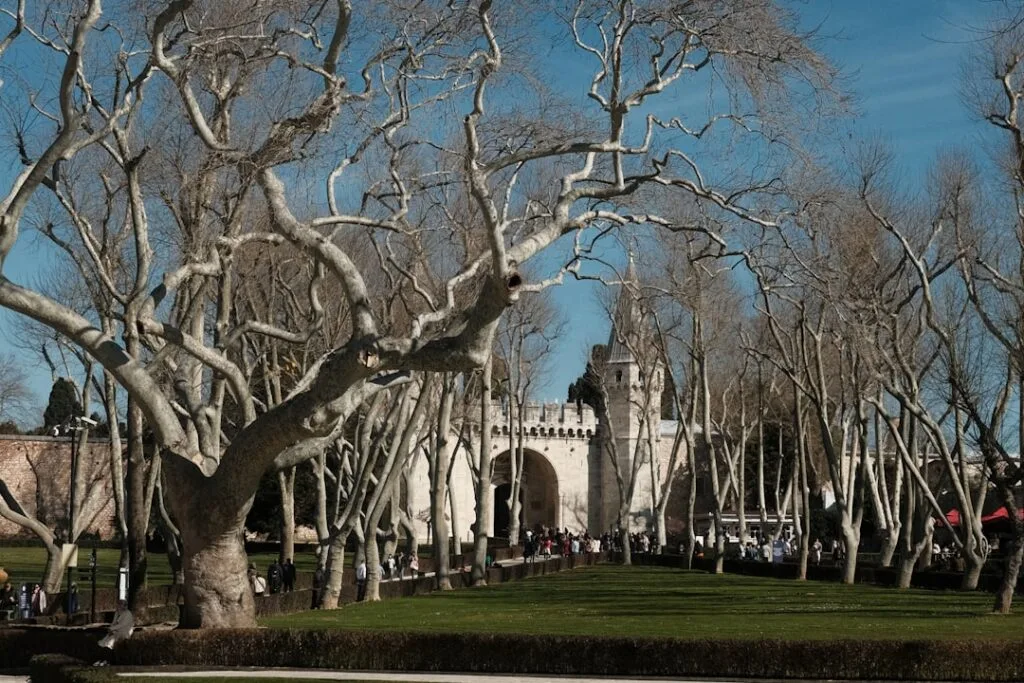
Walk along slopes planted with pines and oaks, and look for old moss-covered walls — perfect for framing bohemian photographs. The proximity to the Palácio das Necessidades adds a layer of history: you can feel the continuity between diplomatic architecture and royal gardens, particularly on terraces close to the palace.
Practical tips
- Access by tram or bus from the centre; expect stretches on unpaved paths.
- Protect yourself from mosquitoes in the evening, especially in summer.
- If you plan a picnic, use grassy areas away from historic lawns and take your rubbish with you.
- Avoid areas marked as private: some sections border institutional buildings.
5) Parque Florestal de Monsanto — Lisbon’s wild lung
Address: Parque Florestal de Monsanto, main access points from Estrada da Ponte, 1500-xxxxx Lisboa (multiple entrances and viewpoints across the park)
Opening hours: open daily; facility hours vary (generally 07:00–20:00)
Price: free access; some activities (high-rope courses, equestrian centre) are paid
Parque Florestal de Monsanto, often nicknamed “Lisbon’s mountain,” is a vast wooded area overlooking the city. It’s the ideal escape when you want to leave the asphalt behind without leaving the capital. Trails weave between pines, oaks and heathland, offering outstanding views over the Tagus and the 25 de Abril bridge from several lookouts. You’ll find MTB trails, picnic areas, orienteering courses and small sandy spots near seasonal streams.
Click here to book your ticket for the Pilar 7 bridge experience
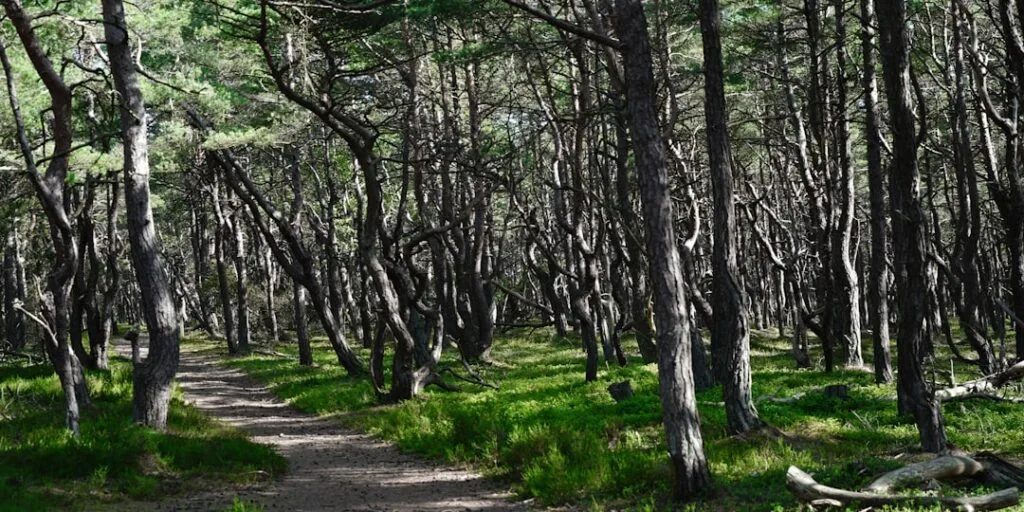
The variety of micro-landscapes makes it a playground for families and athletes: running loops, climbing areas and even community garden plots. The park also hides industrial relics and bunkers from different eras, giving the place a particular historical flavour.
Practical tips
- Bring hiking shoes or sturdy trainers: some trails are rocky.
- Carry water and sun protection; water points can be scarce depending on the route.
- The trail map is available online or at park information centres; pick a route suited to your fitness level.
- Respect signage: some zones are protected for local wildlife.
Conclusion: let Lisbon’s greenery surprise you
Exploring Lisbon through its hidden parks and gardens reveals a city that is both cosmopolitan and intimately connected to nature. From the botanical rigor of the Jardim Botânico da Universidade de Lisboa to the friendly buzz of Jardim do Príncipe Real, the romantic calm of Jardim da Estrela, the wild poetry of Tapada das Necessidades and the vastness of Parque Florestal de Monsanto, each place delivers a different experience — sensory, historical and practical.
A few simple rules will help you enjoy these spaces to the fullest: come early for morning light, respect vegetation and private zones, check official hours for holidays and events, and favour public transport when possible to reduce local impact. Also, don’t hesitate to talk with locals: shopkeepers, municipal gardeners and volunteers who care for these places often share priceless tips about the best times to catch specific blooms or spot certain species.
Finally, give yourself time. These gardens aren’t boxes to tick off but invitations to slow down: sit on a bench, listen to the birds, take an unhurried photo, and leave with a fresh perspective on Lisbon — greener, more intimate and endlessly welcoming.