





Introduction: a tasty stroll through the heart of Lisbon
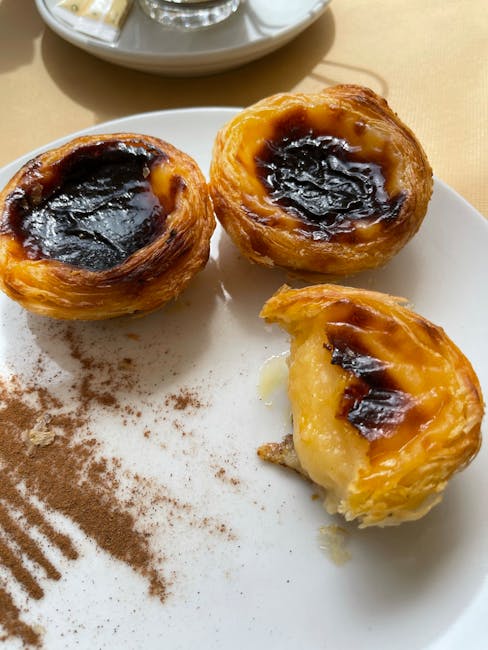
Lisbon tells its story as much through flavors as through vistas. From the first steps on the wavy cobbles of Bairro Alto or Chiado, the air carries the smell of butter and caramelized sugar: that of the pastel de nata, the little custard tart with a crisp, flaky pastry and a creamy center. The « food stroll » I’m recommending is less about ticking off monuments and more about a sensory walk where each stop is earned by tasting one or two delicious pastéis — slightly warm, dusted with cinnamon or a twist of lemon, paired with a strong espresso, the famous bica.
The pastel de nata is woven into Lisbon’s soul. Born in Portuguese convents and popularized in the 19th century by local bakers, it has since conquered the world. In Lisbon, some places have become historical references, like the Antiga Confeitaria de Belém, but the city is also full of smaller, less touristy shops where tradition is preserved. This walk gives you specific addresses, opening hours, indicative prices and practical tips so you can enjoy every bite without wasting time in queues.
Throughout the sections you’ll find:
- Addresses and opening hours of must-visit pastry shops in Lisbon, with prices in euros to help you budget;
- A walking and transport route to combine monuments and tastings in the Belém area;
- An immersion in how pastéis are made and tasted: texture, aromas, and tips to spot a great pastel;
- Practical local advice: when to go, how to avoid crowds, what to order with it;
- Variations and suggestions to extend the pleasure after your stroll.
Get ready to walk steep streets, admire façades covered in azulejos and be won over by the warmth of a pastel fresh from the oven. Lisbon is best savored at the pace of the egg yolk’s creaminess and the pastry’s crunch: safe travels (and bon appétit)!
Must-visit spots to taste pastéis
For a successful foodie stroll, here are three historic and popular places to remember, with exact addresses, opening hours and indicative prices. These spots differ by history, queue length and overall experience.
Antiga Confeitaria de Belém (Pastéis de Belém)
Address: Rua de Belém nº84 a 92, 1300-085 Lisboa. Hours: usually 08:00–23:00 daily (hours may vary). Price: around €1.40 per pastel (indicative).
Antiga Confeitaria de Belém is probably the most famous: it often has a queue, but the reward is a warm pastel with pastry opened into very thin layers and a cream slightly caramelized on top. The shop leans into its history — the original recipe is jealously guarded — and the interior, with its counters and dining rooms, stays lively all day. Tip: grab your pastel at the « para levar » counter if you want to avoid the slower table service.
Manteigaria (Chiado)
Address: Rua do Loreto 2, 1200-108 Lisboa (Chiado area). Hours: often 08:00–23:00 (check locally). Price: around €1.20 per pastel.
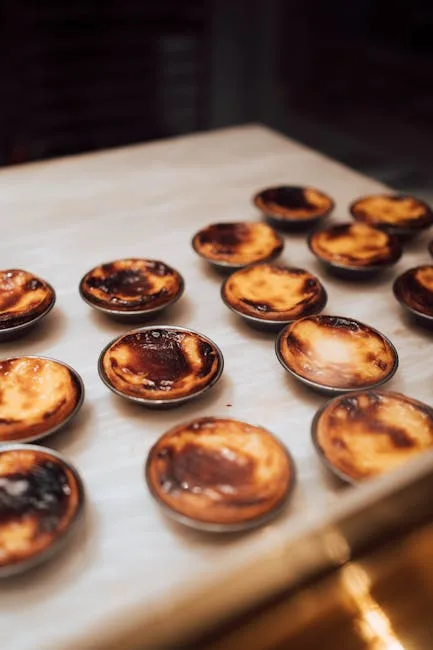
Manteigaria is known for making pastéis right in front of you: the pastry chefs’ choreography, the oven visible from the customer area, and the freshness are the main draws. Pastéis here tend to show a strong contrast between very crunchy pastry and a creamier, more deeply caramelized center than elsewhere. The space is modern and turnover is quick — perfect for a quick taste while exploring the historic center.
Confeitaria Nacional (Rossio)
Address: Praça Dom Pedro IV 7, 1100-200 Lisboa (Rossio). Hours: generally 08:00–20:00 (check for holidays). Price: around €1.50 per pastel.
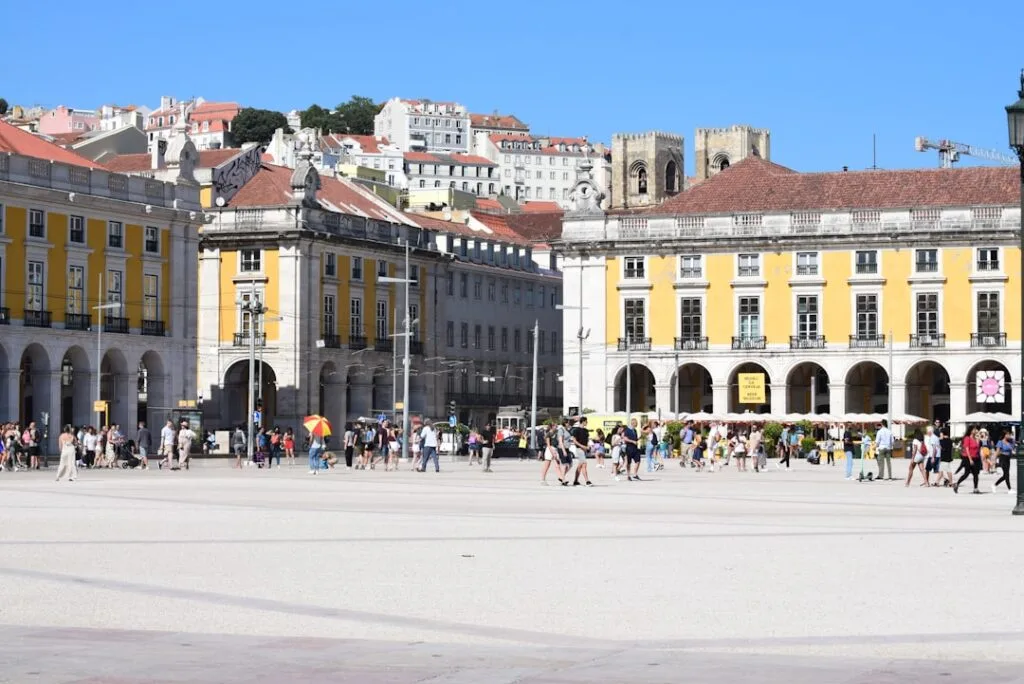
Confeitaria Nacional is an institution in the heart of Baixa. Here you’ll find a more « tea room » vibe: china, table service, and sometimes classic Portuguese pastries alongside the pastel. Locals like to stop for a coffee and pastel before work or during a shopping break. Prices are slightly higher but the experience stands out thanks to the historic setting and the option to sit comfortably.
Practical tip: all these places accept cards, but it’s useful to have a few euros in cash if you buy in small neighborhood shops. If you’re in a hurry, say « para levar »; for the full experience, choose « para comer aqui » and savor a hot pastel with a bica.

Belém foodie route: monuments and pastéis
The Belém neighborhood is perfect for a walk that mixes history and tasting. I suggest a roughly three-hour route, easy to do on foot if you arrive by train or tram.
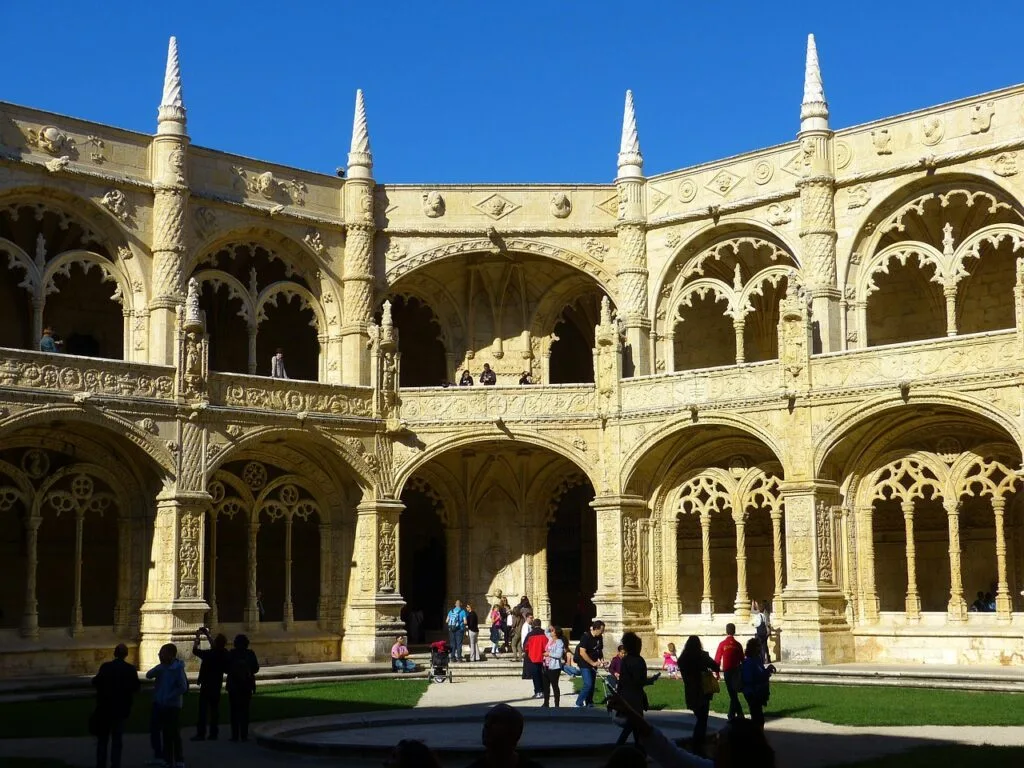
- Start: Mosteiro dos Jerónimos — Praça do Império, 1400-206 Lisboa. Hours: check official times (usually 10:00–17:30, closed some days); indicative price: ~€10.00.
- Walk 10–15 minutes west along the river to admire the Padrão dos Descobrimentos — Av. Brasília, 1400-038 Lisboa. Hours: often 10:00–18:00; price: ~€5.00 to go up to the terrace.
- Continue to the Torre de Belém — Av. Brasília, 1400-038 Lisboa — an exceptional photo spot, especially at sunset.
- Finally, return to Antiga Confeitaria de Belém (Rua de Belém nº84 a 92) to finish on a high note: a hot pastel straight from the oven is the high point of the stroll.
Transport: take tram 15E from Praça da Figueira or the Cascais line train from Cais do Sodré to Belém station. The trip takes between 10 and 20 minutes depending on departure. A single transport ticket in Lisbon generally costs around €1.50–€2.00 depending on the ticket/type of Viva Viagem card.
Timing tip: arrive at Mosteiro dos Jerónimos early to avoid crowds, then wander toward the Padrão and the Tower. Save the pastel de Belém for last so your tasting lines up with fresh oven batches. If you want to skip the line, Antiga Confeitaria de Belém opens early and produces in large quantities — stopping by around 09:00 can cut waiting time.
 Click here to book your ticket for the Jerónimos Monastery

How to spot a great pastel: texture, aroma and tasting
The criteria that separate an excellent pastel are visual, tactile and olfactory. Here’s how to judge and fully enjoy each bite:
- The pastry: should be multi-layered, crunchy, almost flaky on the surface and slightly sticky underneath because of the cream. When you break the pastel, the pastry should come apart in thin layers.
- The custard (recheio): look for a homogeneous, smooth center with a slight caramelized burn on the surface. The color ranges from pale yellow to light brown depending on the bake.
- The aroma: notice subtle notes of vanilla, lemon zest and sometimes cinnamon. Cinnamon is an optional but traditional sprinkle — try the pastel plain first to taste the purity of the custard.
- Temperature: a slightly warm pastel offers the best pastry/custard contrast. Too cold and it loses charm; too hot and it’s hard to eat.
Tasting technique: cut or break the pastel in half to smell the steam and taste the pastry first, then the custard. Pair it with a « bica » (espresso), a « pingado » (espresso with a dash of milk) or, for fans, a glass of cold milk. A bica typically costs about €0.80–€1.20 in most Lisbon cafés.
If you have allergies (eggs, lactose, gluten), always ask for ingredients. The traditional recipe contains all of these; some places offer alternatives, but they are rare. Bring wipes for your fingers — the flaky pastry can be buttery and sticky.
Practical tips and local tricks for a flawless experience
Here are concrete tips to make the most of your foodie stroll in Lisbon:
- Best time: early morning (08:00–10:00) to avoid queues, or after 16:00 if you want fewer people. Weekend lunchtimes are the busiest.
- Payment: major pastry shops accept cards and cash. For small neighborhood stalls, keep a few euros in cash.
- Takeaway: say « para levar »; to eat on site say « para comer aqui ». In Belém, takeaway is often the fastest option.
- Portions: one pastel is enough if you want to taste two places in a day. If you’re sharing, order two for two people and compare.
- Transport: use a rechargeable Viva Viagem card for metro, tram and urban trains; it simplifies journeys and avoids buying single tickets.
- Safety: watch out for pickpockets in tourist areas (Baixa, Rossio, trams). Keep your wallet and phone in a zipped pocket.
- Souvenir: bring special boxes if you plan to take pastéis back to the hotel; they keep better at room temperature and away from rain.
Variations, pairings and extending the tasting
The pastel de nata has inspired many variations and pairings in Lisbon. Here are ideas to enrich your stroll:
- Local variations: queijadas de Sintra (cheese-based pastry) if you head to Sintra; travesseiros de Sintra (puff pastry filled with cream) are also delicious.
- Drink pairings: bica (espresso), galão (Portuguese café au lait) or a glass of port for a more refined finish. For a terrace snack, a light black tea can be a surprising match.
- Workshops and classes: several bakeries and cooking schools in Lisbon offer classes to learn how to make pastéis de nata — a fun way to take the recipe home (check availability and prices ahead).
- Packaging to bring home: some shops sell « dried » versions or cute biscuit boxes inspired by pastéis for travel. A pack of 6 fresh pastéis is ideal to share at the hotel; approximate price: €8–€9 depending on the shop.
Exploring Lisbon through its pastéis also means accepting variation: from one street to the next, from oven to oven, the same name hides personal interpretations. Dare to compare, note what you prefer (crispier, more caramelized, more vanilla) and create your own top 3.
Click here to taste two Ports and a pastel de nata
Click here to book skip-the-line entry for Quinta da Regaleira
Conclusion: savor Lisbon nose-first and hands-in-the-dough
The foodie stroll to taste pastéis in Lisbon is an invitation to slow down: pairing cultural visits with sweet stops turns exploring the city into a memorable experience. Between Antiga Confeitaria de Belém (Rua de Belém nº84 a 92, 1300-085 Lisboa), Manteigaria (Rua do Loreto 2, 1200-108 Lisboa) and Confeitaria Nacional (Praça Dom Pedro IV 7, 1100-200 Lisboa), you’ll find as many stories as textures. Prices remain reasonable (count on about €1.20–€1.50 per pastel depending on the address), and opening hours fit easily into a tourist schedule.
Final tips: favor fresh oven batches, pair your pastel with a bica and keep an eye out for small neighborhood shops where tradition is often passed down through generations. Check opening times before you go, adapt your route to the weather and, above all, take the time to savor: Lisbon is discovered bite by bite, tile by tile.
Happy tastings and enjoy your stroll in the Portuguese capital — may each pastel be a new discovery and an excuse to come back.