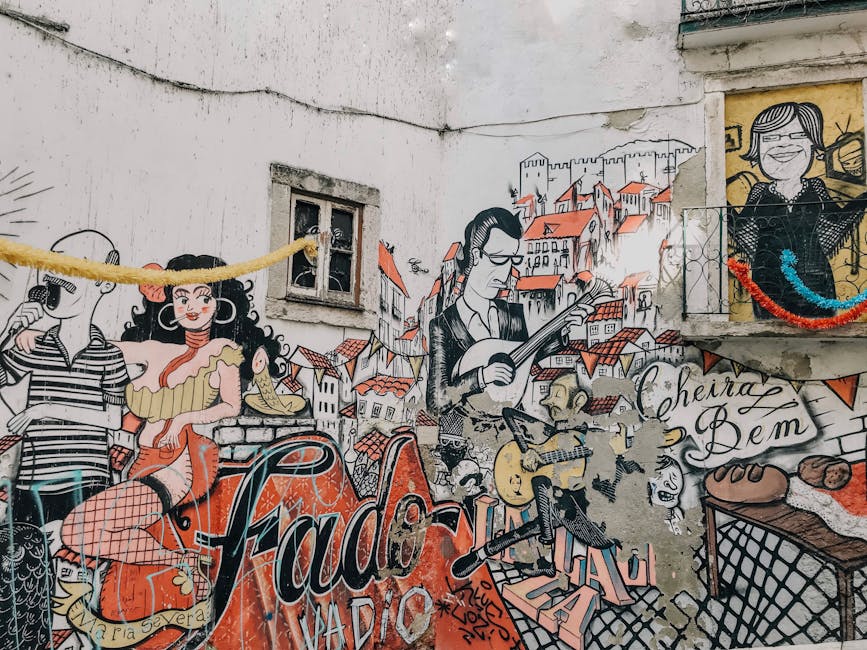






INTRODUCTION: Fado, the Soul of Lisbon
Fado isn’t just music; it’s the melancholic voice of an entire city. Born in the 17th–18th centuries in Lisbon’s working-class neighborhoods, fado has survived the centuries nourished by narrow alleys, the riverfront and the eyes of its people. It’s inseparable from Alfama, Mouraria, Bairro Alto and Chiado — neighborhoods where, once night falls, the deep or high voices of performers still whisper stories of love, absence, exile and longing.
This fado itinerary takes you step by step to the emblematic places where you can listen to, see and feel fado. You’ll get precise addresses, opening hours and price ranges to help you plan your evenings (and afternoons) in Lisbon. Whether you’re after an intimate night in a small Alfama casa de fado, a dinner show in a historic house near the castle, or a heritage visit to the Museu do Fado, this guide gives you practical markers to build your own sonic route.
Throughout the sections you’ll discover:
- The central neighborhoods where fado is alive, with route cues and viewpoints.
- Recommended casas de fado, with addresses, opening hours and price ranges.
- Museums and monuments to visit to understand fado’s history.
- Practical tips for booking, getting there and enjoying the evening while respecting local traditions.
Important: addresses and opening hours are accurate at the time of writing but can change with the season or local events. For prices and availability, check official sites or call ahead before you go. This guide favors historic venues or those known for high-quality performers and authentic hospitality.

1. Alfama: Cradle of Fado and a Walking Route
Alfama is Lisbon’s oldest neighborhood: a maze of cobbled lanes, stairways, patios and colorful façades that naturally cradle fado. Start your exploration at the top by the Castelo de São Jorge, then make your way down to the miradouros (viewpoints) and small squares where you’ll find the most authentic casas de fado.
Points of interest to visit
- Castelo de São Jorge
Address: Rua de Santa Cruz do Castelo, 1100-129 Lisboa.
Opening hours: generally 09:00–18:00 (varies by season; may close at 19:00 in summer).
Price: adult ticket ≈ €10.00 (indicative).
Description: from the ramparts, you get sweeping views over Alfama and the Tagus — a perfect spot to understand the neighborhood’s layout before wandering its lanes. - Miradouro de Santa Luzia
Address: Escadinhas de Santa Luzia, 1100-487 Lisboa.
Opening hours: open at all times (public space).
Price: free.
Description: an iconic viewpoint over Alfama’s rooftops and the decorative azulejos on the walls; an ideal place to soak up the atmosphere before a show.
In Alfama, several casas de fado offer very different atmospheres: from intimate performances without dinner to venues serving traditional meals. A flagship example:
- Clube de Fado
Address: Rua de São João da Praça 92, 1100-521 Lisboa.
Opening hours: performances generally from about 19:30–23:30 (check the calendar for precise times).
Price: entry/show ≈ €15.00–€35.00 per person; dinner menus ≈ €35.00–€60.00 (depending on dish selection).
Description: known for top-quality musicians and intimate acoustics, Clube de Fado hosts well-known singers as well as emerging talent. The room is understated, with the stage close to the audience — perfect for focused listening.
Practical tips for Alfama:
- Prefer weekday evenings for a more intimate experience (weekends can be very lively in the streets).
- Wear comfortable shoes: the lanes are steep and often cobbled.
- Book in advance for well-known casas, especially in high season.
 Click here to book your skip-the-line ticket for São Jorge Castle
Click here to book a fado show in Alfama with Port wine

2. Mouraria: Multicultural Soul and the Roots of Fado
Mouraria symbolizes Lisbon’s diversity and strongly lays claim to a role in fado’s origins. Portuguese traditions mix here with influences from elsewhere: small squares host impromptu concerts, cafés sometimes turn into stages, and certain historic spots shape the memory of the genre.
Visits and key places
- Mouraria (neighborhood)
Address: area around Largo da Mouraria, 1100-200 Lisboa (general zone).
Opening hours: the neighborhood is accessible at all times.
Price: free to wander.
Description: stroll the lanes around Largo da Mouraria and Rua da Mouraria to soak up the popular atmosphere. You’ll find small restaurants where acoustic fado sessions can pop up without reservation. - Escadinhas de São Cristóvão and Largo do Terreiro do Trigo
Address: central Mouraria sector, 1100-093 Lisboa.
Opening hours: public spaces.
Price: free.
Description: historic thoroughfares where you often run into musicians and singers rehearsing. Authenticity shows in weathered doors and laundry lines strung between buildings.
Casas and fado spots to discover in and near Mouraria:
- Casa da Severa (historical reference)
Address: several historic addresses recall this name; a memorial spot in Mouraria (check local listings for events).
Opening hours: varies with events.
Price: depends on the show; often free or donation-based during street events.
Description: « La Severa » is often cited as a foundational figure in fado; several places and commemorative plaques in the neighborhood honor her memory. - Fado nas Ruas (street sessions)
Address: public areas around Rua da Mouraria and Largo do Terreiro do Trigo.
Opening hours: evenings, variable (especially in high season).
Price: free, tips welcome.
Description: unique moments when fado appears around a corner — perfect if you want a spontaneous, less formal experience than a casa.
Mouraria is ideal for curious travelers: here fado sometimes reveals itself without artifice, on the street or in tiny cafés. These are precious chances to hear lesser-known voices in a popular setting.

3. Bairro Alto and Chiado: Nightlife, Bars and Major Fado Houses
Bairro Alto, sitting above Chiado, is Lisbon’s nightlife district. Once night falls, the lanes fill with bars and restaurants. You’ll also find casas de fado to suit every taste here: from intimate performances to dinner-theater shows. Chiado, more elegant and literary, complements the scene with historic cafés and art-focused venues.
Recommended addresses
- Adega Machado
Address: Rua do Norte 91, 1200-284 Lisboa.
Opening hours: generally open in the evening, shows from around 20:00 (check schedule).
Price: show only ≈ €20.00–€40.00; dinner-show menus ≈ €35.00–€70.00 per person.
Description: Adega Machado is a Bairro Alto institution, known for high-caliber artists and a mix of tradition and renewal. Warm decor and frequent sell-outs make reservations advisable. - Tasca do Chico (Bairro Alto)
Address: Rua do Diário de Notícias 39 (or Rua da Atalaia, depending on seasonal location) — there are several historic spots in Bairro Alto; check the exact evening address.
Opening hours: evenings, often 21:00–02:00 (varies).
Price: affordable entry and drinks; shows often free or donation-based (consumption required); drinks ≈ €6.00–€20.00.
Description: friendly, informal atmosphere and closer interaction with musicians than in a traditional casa; much loved by locals for its simplicity.
Chiado offers calmer alternatives for a cultural fado night:
- Casa da Imprensa / Chiado performance spaces
Address: Chiado area around Rua Garrett, 1200-036 Lisboa.
Opening hours: depends on programming (theaters and halls).
Price: varies with programming (concerts and recitals).
Description: for joint fado/classical concerts or organized recitals, check Chiado’s cultural calendar. The literary surroundings often combine readings and music.
Practical tips for Bairro Alto and Chiado:
- Arrive early if you want a table near the stage — the best seats go fast.
- If the venue requires a set menu for the show, check dishes and options for dietary needs.
- After the show, explore nearby bars to extend the night in a more contemporary vibe.
Click here to book a live fado show in Chiado
4. Fado Museums, Institutions and Historical Markers
To truly grasp fado, museums and cultural centers are essential. They provide historical context, audio archives and objects that tell the story of the genre’s evolution — from its Lisbon roots to global recognition.
Main museum: Museu do Fado
- Museu do Fado
Address: Largo do Chafariz de Dentro 1, 1100-127 Lisboa.
Opening hours: generally Tuesday to Sunday 10:00–18:00; closed Monday (check official site for current hours).
Price: adult ticket ≈ €5.00; reduced rates for students/seniors ≈ €2.50–€3.00; audio guide included or extra depending on current policy.
Description: located in Alfama, the Museu do Fado traces the genre’s history through interactive displays, instruments, scores, historic recordings and testimonies. Ideal for anyone who wants to understand fado’s codes before attending a performance.
Other cultural landmarks
- Casa Fernando Pessoa
Address: near Chiado, Rua Coelho da Rocha 16–18 (check location for visits).
Opening hours: varies with exhibitions and events.
Price: varies (consult cultural calendar).
Description: although devoted to the poet, the Casa sometimes hosts readings and combined evenings where poetry and fado meet — highly recommended to explore links between Portuguese literature and song. - Centro Cultural de Belém (occasionally)
Address: Praça do Império, 1449-003 Lisboa (Belém).
Opening hours: depends on exhibitions and concerts.
Price: varies with events (concerts and temporary shows).
Description: some festivals and concert series related to Portuguese music take place here; keep an eye out for large-format fado recitals.
Visiting these institutions will not only help you appreciate performances but also recognize fado’s different styles: fado castiço (more traditional), Coimbra fado (linked to university traditions, often male-focused) and contemporary forms that mix modern instruments and foreign influences.
Click here to purchase entry tickets for the MAAT gallery
Click here to reserve your entry ticket for Jerónimos Monastery

5. Suggested Itinerary, Prices, Hours and Practical Tips
Here’s a sample 24–36 hour itinerary to maximize your fado experience in Lisbon, with stops, price ranges and typical times. This schedule is ideal for a first cultural trip focused on fado.
Day 1 — Afternoon: discovery and museum
- 14:00 — Start at the Museu do Fado (Largo do Chafariz de Dentro 1, 1100-127 Lisboa), 1.5–2 hour visit. Indicative price €5.00.
- 16:00 — Stroll through Alfama, stop at the Miradouro de Santa Luzia for photos and a first taste of the atmosphere (free).
- 17:30 — Coffee and tapas in an Alfama tavern: drinks/snacks ≈ €6–€15 per person.
Day 1 — Evening: first fado immersion
- 19:30–21:30 — Dinner-show at Clube de Fado (Rua de São João da Praça 92). Menu-show ≈ €35–€60 per person depending on the menu; reservation recommended.
- 22:00 — Night walk, listen for street fado or have a drink in a more informal casa (consumption ≈ €5–€15).
Day 2 — Morning and afternoon: explore Mouraria and Chiado
- 10:00 — Walk through Mouraria, visit commemorative plaques (free) and lunch in a small local tavern (≈ €10–€25).
- 15:00 — Free time in Chiado: historic cafés, bookstores, possible daytime concerts depending on the program.
Day 2 — Evening: Bairro Alto and alternative nights
- 20:00 — Evening at Adega Machado or Tasca do Chico: show ≈ €15–€50; drinks extra.
- 22:30 — If you want to continue, explore Bairro Alto’s bars; note that some venues can be very lively and may require a minimum spend.
Practical tips and budgets
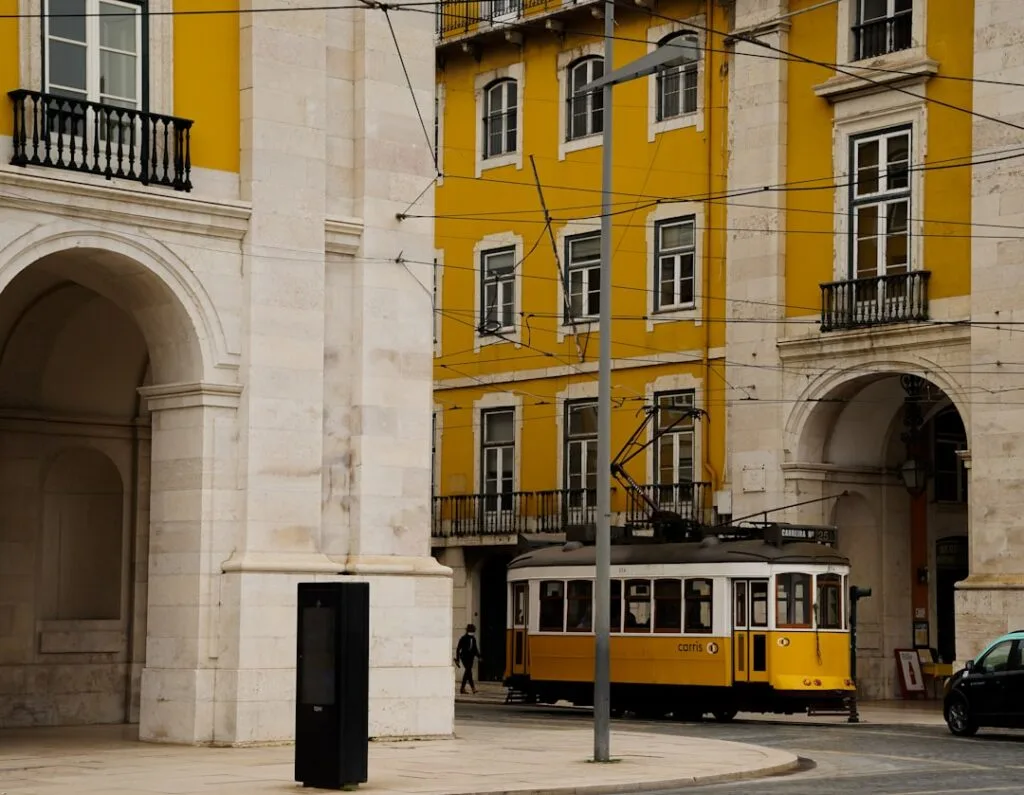
- Transport: the Tram 28 is iconic and handy for linking Graça/Alfama to the center; a single ticket ≈ €3.00–€3.80 bought on board (indicative) — the rechargeable Viva Viagem card is more economical for multiple trips (card cost plus top-ups).
- Bookings: for well-known casas, reserve at least 48–72 hours ahead in high season.
- Tips: not obligatory but appreciated; 5–10% of the bill is a nice recognition for musicians and service.
- Respect: photograph discreetly and avoid flash during performances; silence and attentive listening are the best ways to honor the artists.
If in doubt about times or prices, consult the venues’ official sites or call: many update programs according to season, artist tours and municipal events.
CONCLUSION: Building Your Fado Route in Lisbon
Fado is as much lived as it is visited. Between Alfama, Mouraria, Bairro Alto and Chiado, each neighborhood offers a different way to hear and understand this song that carries Portuguese saudade. Museums and historic houses supply the framework: archives, instruments, scores and testimonies. Casas, big and small, deliver the direct emotion — sometimes hushed, sometimes overwhelming — of a face-to-face performance.
To plan your route, combine daytime visits (museums, viewpoints, monuments) with musical evenings: start with context at the Museu do Fado or a viewpoint, then dive into a local casa de fado to feel the moment. Book the most famous houses (Clube de Fado, Adega Machado, Chapitô) and keep one evening free for spontaneous discoveries in the street or a Mouraria tavern, where authenticity is often strongest.
Finally, remember that the best fado experience depends as much on your state of mind as on the itinerary: listen, respect, let yourself be moved by the voice and the guitar. The addresses and hours in this guide are reliable starting points, but the city lives and changes — checking ahead will help you avoid disappointments and catch those rare moments when Lisbon sings you its story, bare and true. Enjoy your musical journey and the singing lanes of Lisbon.