





INTRODUCTION
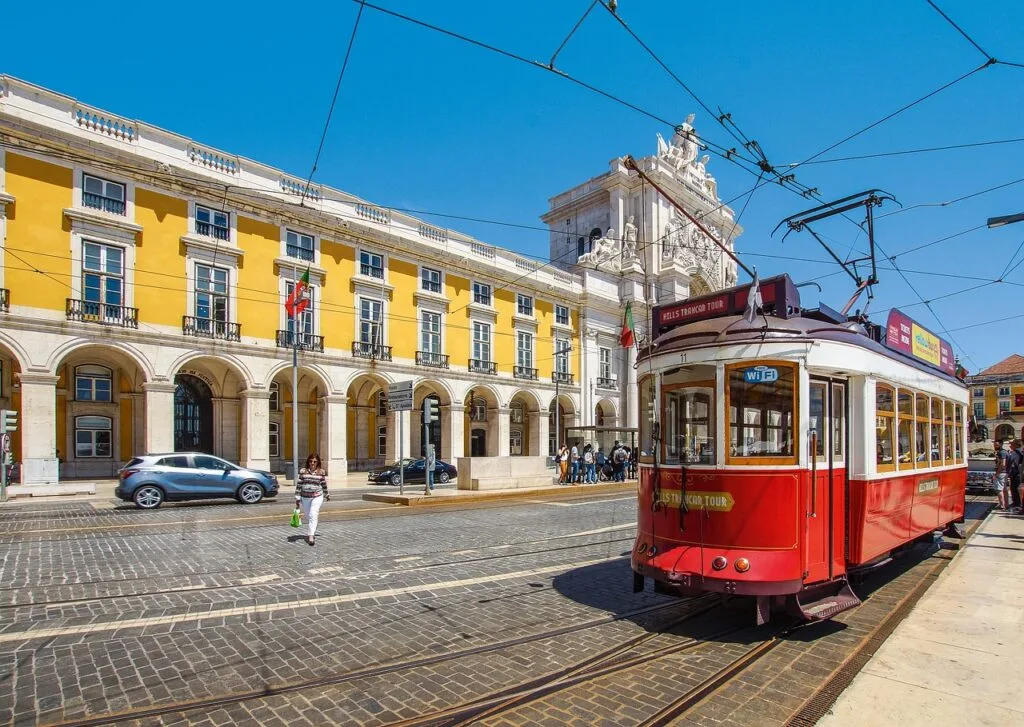
Lisbon breathes history on every corner, and its trams have charmed travelers and locals for over a century. Among them, the legendary Tram 28 is often hailed as the city’s tourist icon: it winds through Alfama, Graça, Bairro Alto and Campo de Ourique, offering a mix of stairways, cobbled lanes and tiled facades. But for those who want to slow down, feel textures, listen to conversations and photograph without rush, there’s a simple, more immersive alternative: a walking route that captures the spirit of Tram 28 by linking the same viewpoints, churches and markets with your own two feet.
This post offers a detailed “tram-by-foot” route with exact addresses, opening hours, indicative prices in euros and local practical tips. You’ll discover must-sees like Praça da Martim Moniz, Castelo de São Jorge and the Elevador de Santa Justa, but also lesser-known stops, panoramic views and tasty breaks. The itinerary is designed to be doable in a big day of walking (allow 5 to 7 hours depending on breaks) and to provide an authentic alternative to the crowded tram.
By choosing to walk, you’ll notice details often missed by hurried passengers: marble maps on walls, azulejos with surprising patterns, bakers shaping pastéis de nata at dawn, and market vendors. This guide also gives practical tips — how to buy a transport card, when to visit to avoid crowds, where to eat and drink without breaking the bank, and how to handle hills and cobbles. Bring comfortable shoes, a water bottle and your camera: classic tram Lisbon reveals itself differently — slower, more tactile, more real.
1. Start at Martim Moniz: tram history and first panorama
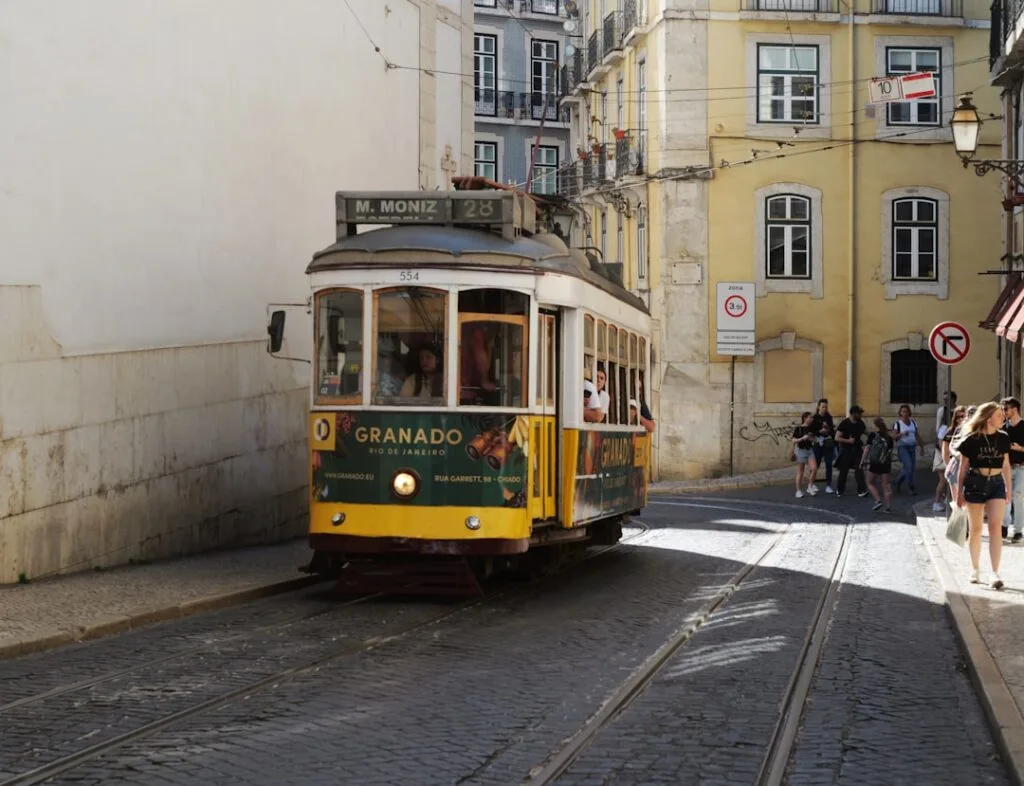
The natural starting point for this route is Praça da Martim Moniz (Praça da Martim Moniz, 1100-341 Lisboa), where Tram 28 traditionally begins its run. The square, both a multicultural hub and the gateway to Alfama, buzzes with food stalls, Turkish restaurants and small shops. From the square you can climb east into Alfama’s first alleys and quickly reach views over the city and the Tagus.
Practical tips: the square is lively all day; avoid the morning rush if you want a calm start. For transport, get a Viva Viagem card at any metro station: the plastic card costs about 0,50 € and lets you load trips; a single urban journey with Viva Viagem is usually around 1,55 €. If you prefer to pay on board the tram (less recommended), the ticket bought from the driver is often pricier, around 3,00 €, and doesn’t integrate with the network.
To begin the walk, take Rua da Palma then turn toward Largo São Rafael to climb into Alfama. You’ll soon find stairways, small squares and tiled facades. Walking lets you closely observe workshops, traditional houses and graffiti, and stop at the first accessible miradouro for an overview of the red-tiled rooftops.
2. Alfama: between cathedrals, markets and fado
Descending gently from Alfama, a mandatory stop is the Sé de Lisboa (Lisbon Cathedral), located at Largo da Sé, 1100-585 Lisboa. The cathedral is generally open from 09:00 to 19:00. Entrance to the nave is free, but visiting the cloister and the treasury is paid: around 4,00 € for cloister access (hours 09:00–18:00). The Romanesque architecture and Gothic details deserve slow observation: worn stones, massive arches, stained glass filtering golden light.
Continue to the Feira da Ladra (address: Campo de Santa Clara, 1100-472 Lisboa), the traditional flea market held on Tuesdays and Saturdays (main market on Saturday). Hours: the market starts early, around 08:00 and winds down after 14:00. You’ll find old books, postcards, bric-a-brac and textiles. Bring small change and watch your belongings, as crowds can attract pickpockets.
Nearby, the Museu do Fado (Museu do Fado, Largo do Chafariz de Dentro 1, 1100-139 Lisboa) is an excellent cultural stop: generally open from 10:00 to 18:00 (Tuesday to Sunday), adult entry around 6,00 €, reduced 4,00 €. The museum explains the soul of fado, its origins, and sometimes hosts concerts. After the visit, opt for a light lunch in a small fado house where rice, cod (bacalhau) and grilled sardines are stars.
 Click here to buy your ticket for Lisbon Cathedral
3. Up to Castelo de São Jorge and the Graça miradouros
Then head up to the Castelo de São Jorge, located at R. de Santa Cruz do Castelo, 1100-129 Lisboa. The castle offers one of the most complete views over Lisbon and the Tagus. Hours: generally 09:00–21:00 from April to October and 09:00–18:00 from November to March. Price: adult entry around 10,00 €, reduced around 5,00 €. Inside, walk the ramparts, listen to the bells and be surprised by Mediterranean vegetation nesting in the towers.
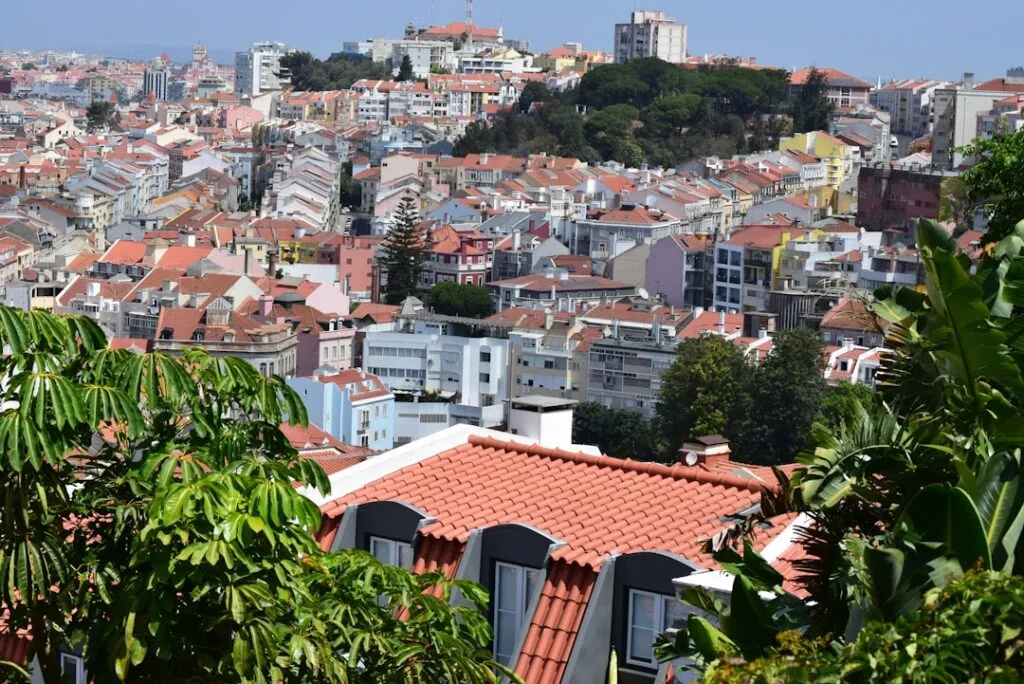
From there, descend toward the Graça neighborhood to reach two essential viewpoints: Miradouro da Graça (Largo da Graça, 1170-165 Lisboa) and Miradouro da Senhora do Monte (Largo da Senhora do Monte, 1170-107 Lisboa). These belvederes are open 24/7 and free. Morning and late-afternoon light transforms the roofs and the river; it’s the ideal time for photos. Miradouro da Senhora do Monte is more secluded and therefore often quieter than Portas do Sol or the castle viewpoint.
Practical tips: to reach these miradouros, take the less crowded stairs and stop at a taberna for coffee. The slopes are steep: plan a break, bring water and wear shoes with non-slip soles. The houses of Graça show authentic azulejos and small artisan workshops.
Click here to book your skip‑the‑line ticket for the castle
Click here to book access to Graça church

Experience the essentials of Tram 28 on foot in a busy half‑day
Allow 5–7 hours and a modest budget (occasional transport + visits €20–40).
1. Intimate fado evening in Alfama
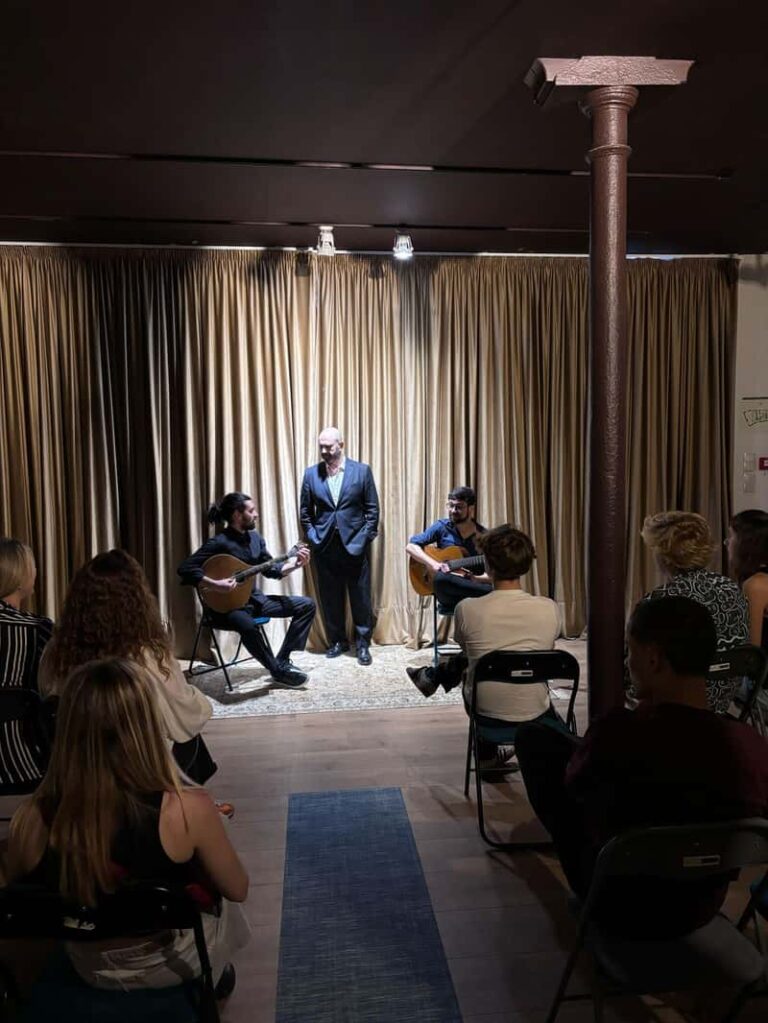
After wandering Alfama’s alleys, settle in for an intimate concert where a fadista shares the story of fado between songs, accompanied by a complimentary glass of Porto.
- ⏱️ Duration: 1 hour
- 🚩 Start: Travessa do Almargem, nº 2 (near the Sé)
- 🍹 Included: A complimentary glass of Porto
- 💡 Highlight: Personal encounter with a local artist
2. Skip‑the‑line entry to the Castelo
Save time at São Jorge Castle with a skip‑the‑line ticket: perfect for conserving energy for the miradouros and enjoying a 360° panorama without queuing.
- ⏱️ Duration: 2 hours
- 🎟️ Access: Skip‑the‑line ticket
- ⭐ Highlight: Panoramic views and historic ramparts
- 🚐 Transport: Walkable from Alfama (steep slopes)

3. Tram stretch + pastéis
Mixed option: a short ride on the historic tram for charm, then a guided descent with a stop at a master pastéis de nata bakery to taste the specialty warm.
- 🚶 Format: Tram + walk
- ⏱️ Duration: 2.5–3 hours
- 💡 Highlight: Combine rolling heritage with a local tasting
- 🗣️ Languages: English, Portuguese, Spanish

4. Budget guided walk of Alfama
Low‑cost guided stroll to discover hidden corners, ramparts and three miradouros; ideal for those wanting historical context and local anecdotes without getting lost in the lanes.
- ⏱️ Duration: 2 hours
- 👥 Format: Group guided tour
- 🚩 Start: In front of the Lisboa Story Centre

4. Descent to Baixa and Chiado: lifts, squares and cafés
Walk back down toward the historic centre via the streets of Graça and Alfama to reach Baixa and Chiado. A must-stop is the Elevador de Santa Justa (Rua do Ouro, 1150-060 Lisboa), a neo-Gothic lift with sweeping views over Baixa. Hours: often 07:30–23:00 depending on season; price for the lift and terrace around 5,15 € (single ticket), though if you use an integrated Viva Viagem card the cost can be equivalent to a regular trip ~1,65 €.
The Praça do Comércio (Praça do Comércio, 1100-148 Lisboa) is the large riverside plaza dominated by the Rua Augusta arch. It’s a great spot for a break, watching boats and feeling the river breeze. Nearby, pedestrian Rua Augusta is full of shops and cafés. The Convento do Carmo (Museu Arqueológico do Carmo), Largo do Carmo 2, 1200-092 Lisboa, with its airy Gothic ruins, is usually open 10:00 to 18:00 and entry is around 5,50 €.
Chiado is the literary and arts quarter: historic cafés like “A Brasileira” (Rua Garrett) invite you to sit. If you want a concentrated food experience, head down to the Time Out Market (Avenida 24 de Julho 49, 1200-479 Lisboa) for a wide gastronomic offering; hours generally 10:00–00:00 (vary by stall), dishes from about 6–8 €.


5. Alternative option: extend to Campo de Ourique or return by tram
The walking route can be extended westward to reach neighbourhoods where Tram 28 traditionally ends, such as Campo de Ourique. A worthwhile stop is the Mercado de Campo de Ourique (Rua Coelho da Rocha 104, 1350-075 Lisboa): a contemporary covered market with fresh stalls and small tables. Hours: generally 08:00–21:00 (vary by section). You’ll find local snacks there for a well-earned break.
If your legs start to tire, hop back on a tram for a few stops: take a local line or board a tram for a short ride (ticket bought from the driver about 3,00 €, but cheaper with Viva Viagem). Returning by tram lets you compare perspectives: on foot you absorb the surroundings, on the tram you feel the speed, sway and reactions of passersby.
Final practical tips for this section: plan your day by the light (morning for Alfama, late afternoon for miradouros), charge your phone (allow 10–15% spare for photos), and leave room for the unexpected — a craft shop, a small fado concert, or a churros vendor. Public restrooms are scarce; favour cafés and museums for breaks.
CONCLUSION
Walking the Tram 28 route is more than a pleasant physical challenge: it’s a full immersion in Lisbon culture. Walking gives you time to explore details, chat with shopkeepers, taste local food and choose your favourite photo angles. Key addresses — Praça da Martim Moniz (Praça da Martim Moniz, 1100-341 Lisboa), Sé de Lisboa (Largo da Sé, 1100-585 Lisboa), Castelo de São Jorge (R. de Santa Cruz do Castelo, 1100-129 Lisboa), Museu do Fado (Largo do Chafariz de Dentro 1, 1100-139 Lisboa), Elevador de Santa Justa (Rua do Ouro, 1150-060 Lisboa), and Mercado de Campo de Ourique (Rua Coelho da Rocha 104, 1350-075 Lisboa) — offer a rich, accessible itinerary.
To sum up essential practical info: Viva Viagem card 0,50 €; single trip approx via card ~1,55 €; ticket bought from the driver ≈ 3,00 €; Castelo de São Jorge entry ≈ 10,00 € (hours vary by season); Museu do Fado ≈ 6,00 € (generally open 10:00–18:00). Wear comfortable shoes, stay hydrated, avoid tram rush hours if combining walking and rides, and respect local habits in residential areas (quiet after 22:00 in some neighbourhoods).
Finally, remember Lisbon reveals itself best on foot: trams tell it quickly, walking narrates it in detail. Whether you climb to the Castelo, pause at Miradouro da Senhora do Monte, or savour a pastel in a neighbourhood pastelaria, every detour will enrich your discovery. Safe travels, good boots, and enjoy the stroll through the lines and stones of the seven-hilled city.