





Introduction: Strolling Through Lisbon’s Bohemian Quarters
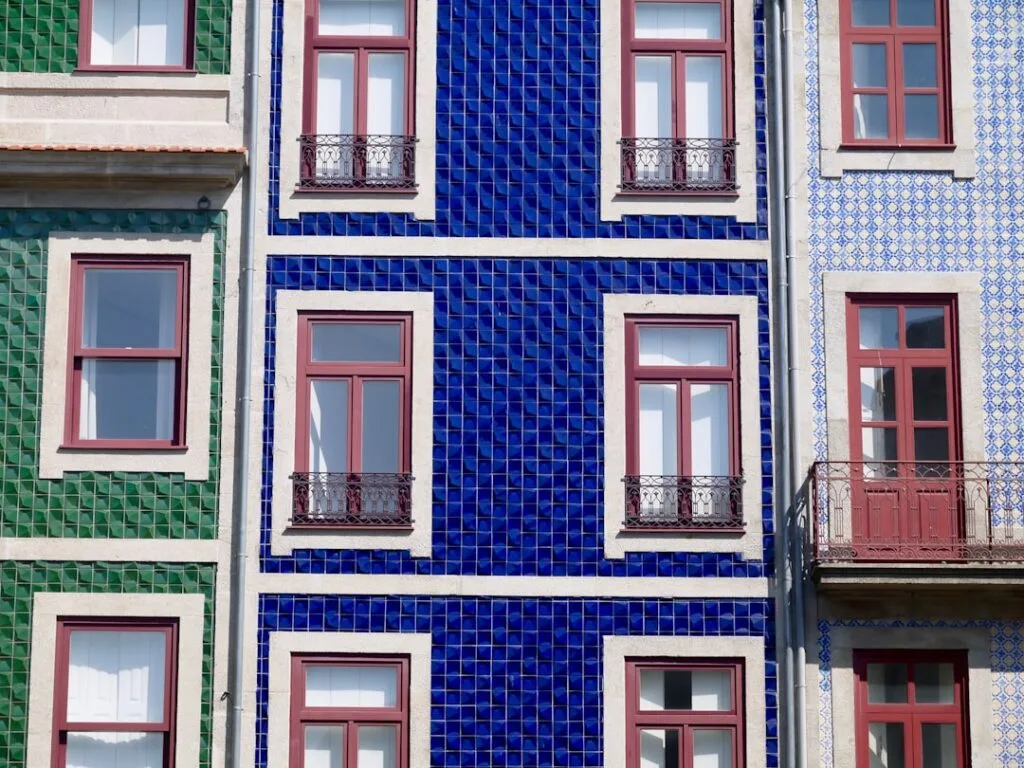
Lisbon is best experienced on foot. Between hills, stone stairways, façades clad in azulejos and terraces with breathtaking views, Portugal’s capital unfolds a patchwork of bohemian neighbourhoods where the city’s soul reveals itself step by step. This walking tour focuses on the most evocative areas: Bairro Alto, Chiado, Mouraria, Alfama, Cais do Sodré and the creative hub LX Factory — not forgetting the miradouros (viewpoints) that offer jaw‑dropping panoramas.
The goal isn’t to check off monuments but to craft a sensory experience: historic cafés, tiny fado houses, artisan shops, food markets, murals and lanes where time seems to slow down. You’ll find specific addresses, opening hours and indicative prices here, plus practical tips to get the most from your walk: when to start, how to avoid peak times, which stairways to favour, and where to sip a local port after sunset.
Bring comfortable shoes — Lisbon is a city of slopes and cobbles — and a small map (or an offline app): you’ll alternate intimate passages with spectacular viewpoints, pause to eat a still‑warm pastel de nata, and be surprised by impromptu Portuguese guitar performances.
This walking route is flexible: allow half a day for a quick immersion, or a full day if you want to wander slowly, with stops for shopping and food. Practical details (full addresses, opening hours and prices) are provided for each key spot so your itinerary is clear and doable.
 Click here to capture your Lisbon adventure

Bairro Alto: Night Lanes and Intimate Bars
Bairro Alto is Lisbon’s bohemian nightlife heart. The neighbourhood stretches between Rua da Misericórdia and the Miradouro de São Pedro de Alcântara, offering a mosaic of narrow lanes, wine bars, tiny tascas and viewpoints. Façades are often covered in azulejos or painted in bright colours; at night, neon lights and laughter create a one‑of‑a‑kind atmosphere.
Highlights and addresses
- Miradouro de São Pedro de Alcântara — Calçada do Combro / Rua de São Pedro de Alcântara, 1200-109 Lisboa. Free panorama, perfect at sunset.
- Tasca do Chico (fado) — Rua do Diário de Notícias 39, 1200-141 Lisboa. Fado cover: about €10–€25 depending on the night. Opening hours: 20:00–02:00 (varies on show nights).
- Bar Pavilhão Chinês — Rua Dom Pedro V 89, 1250-093 Lisboa. Vintage décor, open 12:00–02:00.
Plan an outing from late afternoon: start with a drink at the miradouro to enjoy the low, golden light, then wander down toward the small squares. If you’re after non‑touristy fado, book ahead (or arrive early) at Tasca do Chico; otherwise expect a more festive, less intimate vibe.
Practical tips for Bairro Alto
- Shoes: pick grippy soles — the cobbles can be slippery in the evening.
- Safety: generally safe, but watch out for pickpockets in crowded nightlife spots.
- Transport: Funicular da Bica (Elevador da Bica) — Rua de São Paulo, 1200-108 Lisboa — runs roughly 07:00–01:00; fare with a Viva Viagem card (single ≈ €1.65 with the card).
Click here to book a fado show at Pavilhão Chinês
Chiado: Literary Cafés, Bookshops and Refined Bohemia
Chiado, just below Bairro Alto, is Lisbon’s literary salon. Cafés have been havens for writers and artists since the early 20th century. It’s the perfect spot for a coffee break, to visit a historic bookshop and to discover contemporary craft workshops.
Iconic spots
- Café A Brasileira — Rua Garrett 122, 1200-203 Lisboa. Usually open 08:00–22:00. An espresso + pastry: around €3–€6. Statue of Fernando Pessoa stands outside the café.
- Livraria Bertrand — Rua Garrett 73-75, 1200-203 Lisboa. Known as the world’s oldest operating bookshop. Hours: 10:00–19:00 (may vary). Free entry.
- Convento do Carmo / Museu Arqueológico do Carmo — Largo do Carmo 2, 1200-092 Lisboa. Gothic ruins and archaeological museum. Hours: 10:00–18:00 (closed Mondays). Ticket: about €5, reduced €3.
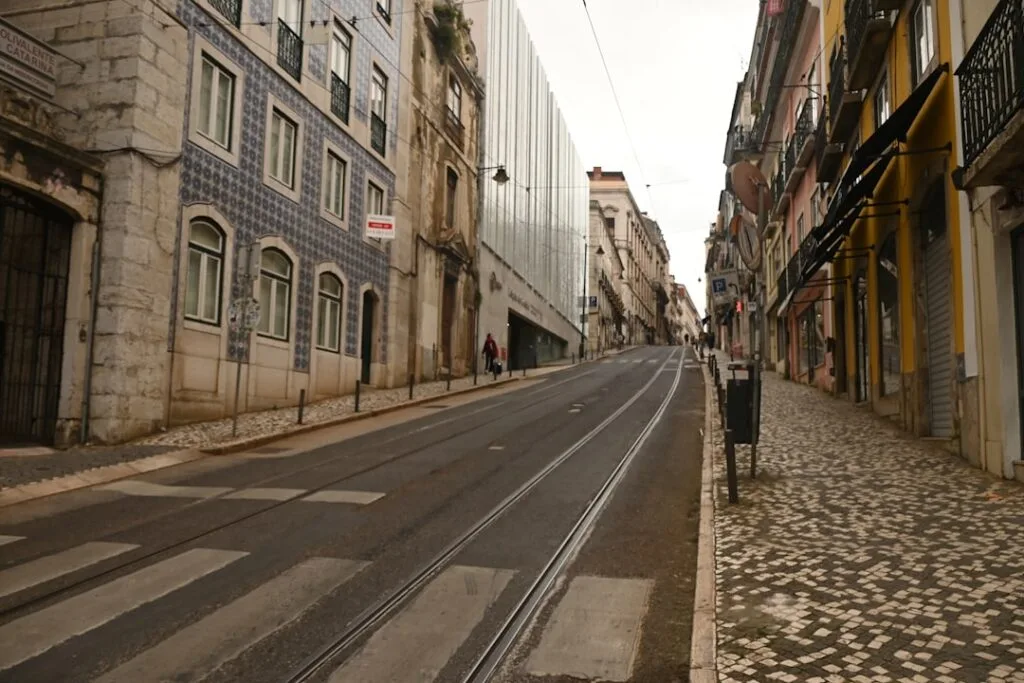
Wander aimlessly between Rua Garrett and Largo do Carmo. The contrast between 19th‑century façades and modern boutiques creates a polished bohemian aesthetic. Art lovers should look out for small galleries on Rua do Alecrim and workshops tucked behind old gates.
Practical tips for Chiado
- If you want a terrace table at Café A Brasileira, arrive before 10:30 or wait until dinner to avoid the tourist rush.
- Visit the Convento do Carmo early in the morning to avoid tour groups and enjoy the calm among the ruins.
- Bookshop budget: set aside a few euros for postcards and local editions (€5–€30 depending on the book).
Click here to reserve your ticket for the Museum of Illusions
Mouraria and Alfama: Fado’s Roots and Historic Lanes
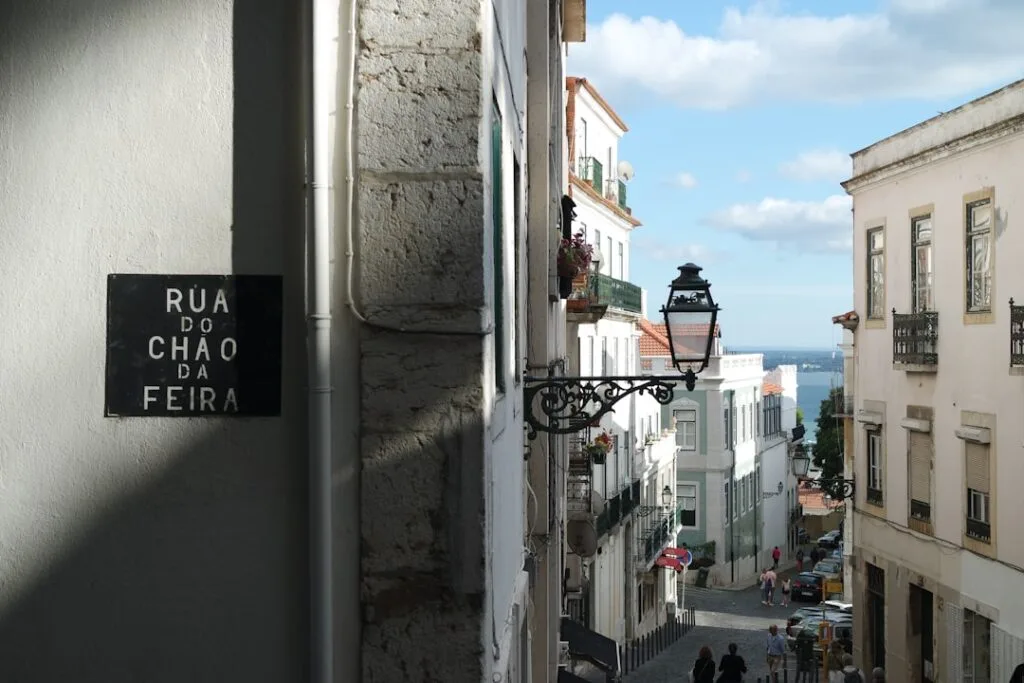
Mouraria and Alfama are the neighbourhoods where fado finds its most authentic roots. Less polished than Chiado, these areas offer a maze of narrow streets, flowered balconies and little squares where musicians often play impromptu.
Fado venues and addresses
- Museu do Fado — Largo do Chafariz de Dentro 1, 1100-139 Lisboa. Hours: 10:00–18:00 (closed Mondays). Entry: about €5–€6.
- Casa de Linhares (Fado) — Beco do Ribeiro 9, 1100-371 Lisboa. Dinner‑show: menus from €35–€50. Reservation recommended.
- Miradouro da Senhora do Monte — Largo da Senhora do Monte, 1170-107 Lisboa. Free panoramic view, ideal for photographing Alfama and the Tagus.
Start at the Museu do Fado to understand the history of Portugal’s song, then get lost in Alfama’s stairways: colourful doors, sunning cats and fragments of old paving stones tell centuries of stories. In the evening, look for the small fado houses: the atmosphere is intimate and the guitarra’s sound accompanies every moment.
Practical tips for Mouraria and Alfama
- Alfama is very steep: factor in extra time between points. Carry at least a litre of water in summer.
- To hear authentic fado without dinner, ask about “fado at home” sessions or small tascas; entry may be free but a minimum consumption is often requested (≈ €10–€20).
- Avoid cruise ship peak hours (10:00–14:00) if you want photos without crowds.
Click here to book a live fado show in Alfama
Cais do Sodré, Pink Street and LX Factory: Creative Bohemia & Street Art
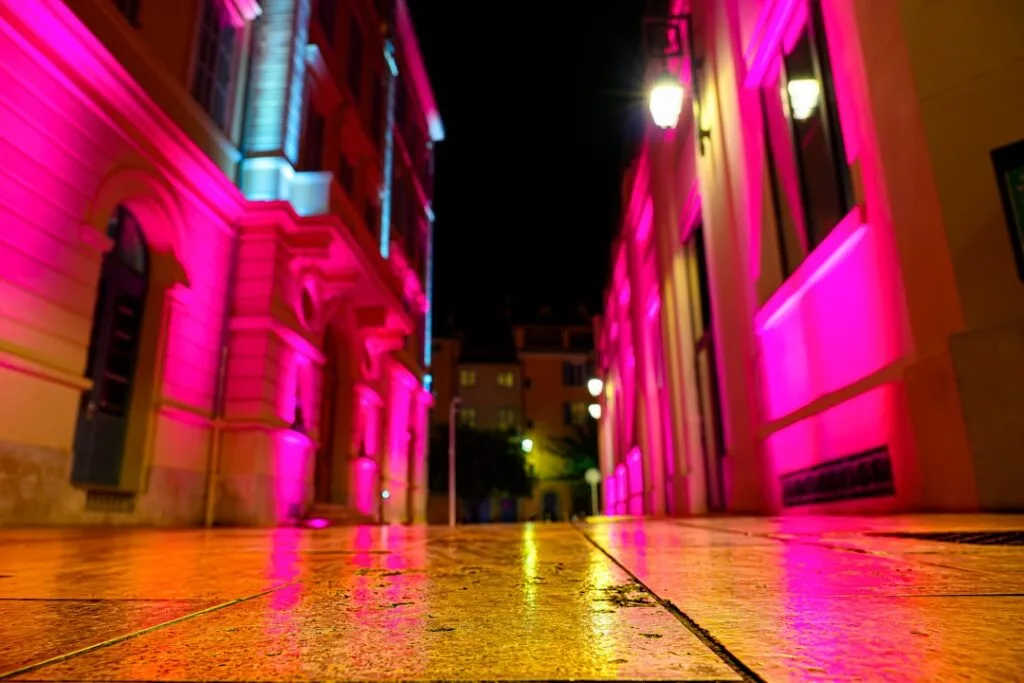
Cais do Sodré has evolved from a port quarter into a hub of nightlife and creativity. The famous Pink Street (Rua Nova do Carvalho) has become a symbol of this bohemian shift: bars, clubs and restaurants line the lane. A short distance away, LX Factory is a former industrial site reinvented as a cultural centre and artisan market.
Addresses and practical info
- Pink Street — Rua Nova do Carvalho, 1200-162 Lisboa. Free access; lively from around 20:00 onwards.
- Time Out Market (Mercado da Ribeira) — Avenida 24 de Julho 49, 1200-479 Lisboa. Hours: 10:00–00:00 (some stalls open later). Free entry; dishes from €3 to €25 depending on the stall.
- LX Factory — Rua Rodrigues de Faria 103, 1300-501 Lisboa. Shops, restaurants and the Ler Devagar bookshop. Opening hours vary: shops 10:00–19:00, restaurants often until 23:00–01:00. Free entry.
LX Factory is perfect for an afternoon: explore designer shops, the bookshop and street art, then head up to a rooftop bar to see the 25 de Abril Bridge and the Tagus at dusk. In Cais do Sodré, the mix of old fishermen’s houses and new cultural initiatives gives the area a pleasant hybrid energy for a bohemian evening.
Practical tips for Cais do Sodré and LX Factory
- If you come by metro: Cais do Sodré station (Green Line). For LX Factory, take a taxi or the bus (line 714 from Cais do Sodré).
- At Time Out Market, the best time to avoid crowds is between 15:00 and 17:00.
- For an iconic Pink Street photo, pick the golden hour (about one hour before sunset): soft light and a heightened urban vibe.
Click here to book a photoshoot to capture Lisbon moments
Conclusion: Planning Your Bohemian Walk
A walking tour of Lisbon’s bohemian quarters is an invitation to slow down. Between city viewpoints and the hushed interiors of cafés, the experience blends visual, sonic and culinary pleasures. To plan your day: start early in Chiado to enjoy the bookshops and Convento do Carmo, head up to Bairro Alto for an aperitif at the miradouro, descend toward Cais do Sodré and finish at sunset at LX Factory or Miradouro da Senhora do Monte for a panoramic view.
Indicative budget: allow €20–€60 per person for food and drinks during a bohemian day (excluding souvenirs), + museum tickets €5–€10 if you visit Convento do Carmo or Museu do Fado. For transport, the Viva Viagem card costs €0.50 and each metro/bus/tram trip is about €1.65 with the card; a short taxi or Uber between neighbourhoods is handy if you’re short on time (short rides ≈ €6–€12 depending on distance).
Final tips: respect locals (avoid loud noises at night in narrow streets), take the time to chat with artisans and restaurateurs (they love sharing the story of their quarter), and always carry a little cash for tascas that don’t accept cards. Lisbon is lived on foot, and its bohemian neighbourhoods are best discovered by taking time to look, listen and taste.
