





Introduction: walking to the rhythm of Lisbon’s azulejos
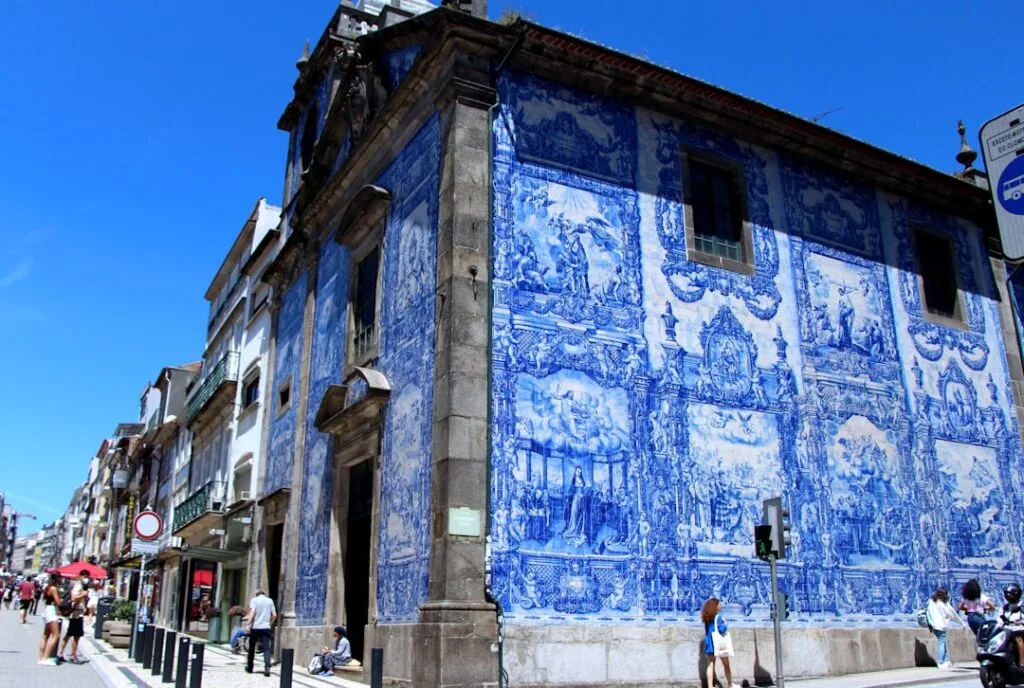
Lisbon first reads and recognizes itself by its colors and its ceramic stories: the azulejos. These glazed tiles, a Spanish and Arabic heritage reshaped by Portuguese art, cover façades, church interiors, cloisters and shops. The azulejos walking route is an intimate, sensual way to discover the city. At every corner a mural tells a page of history — naval battles, baroque saints, rural scenes, geometric patterns — and each workshop offers the meeting of ancient craft and contemporary creation.
This article offers a detailed, practical and immersive itinerary: from the Museu Nacional do Azulejo through Alfama’s alleys, via Belém and the studios where you can paint your own tile. You’ll find exact addresses, opening hours, prices in euros and local tips to optimize your stroll (best time of day, how to avoid crowds, transport and buying tips). The goal: to help you build your walking circuit, identify façades not to miss, book a workshop, and bring home a souvenir that won’t feel like a cold tourist trinket but the warmth of an object made by your own hands.
Whether you’re a collector, photographer, history buff or simply a lover of beautiful textures, this guide will help you read Lisbon through its azulejos. Bring comfortable shoes, a water bottle (tap water is drinkable) and a sense of wonder: under the sun the city becomes an open‑air museum.
Museu Nacional do Azulejo — the essential starting point
The Museu Nacional do Azulejo – Convento da Madre de Deus is the ideal gateway to understanding the history of Portuguese tiles. Address: Rua da Madre de Deus 4, 1900-312 Lisboa. The museum occupies a former convent whose cloister and chapel reveal monumental azulejo panels and chronological ensembles ranging from the 15th to the 21st century.
Opening hours: Tuesday to Sunday, 10:00–18:00 (closed Monday). Indicative prices: Full ticket €5.00, reduced €3.00 (students and seniors); free for children under 12. The museum also offers combined tickets and educational activities by reservation — practical azulejo painting workshops are often offered for groups and can cost between €30 and €60 per person depending on duration and format (usually 2 to 3 hours).
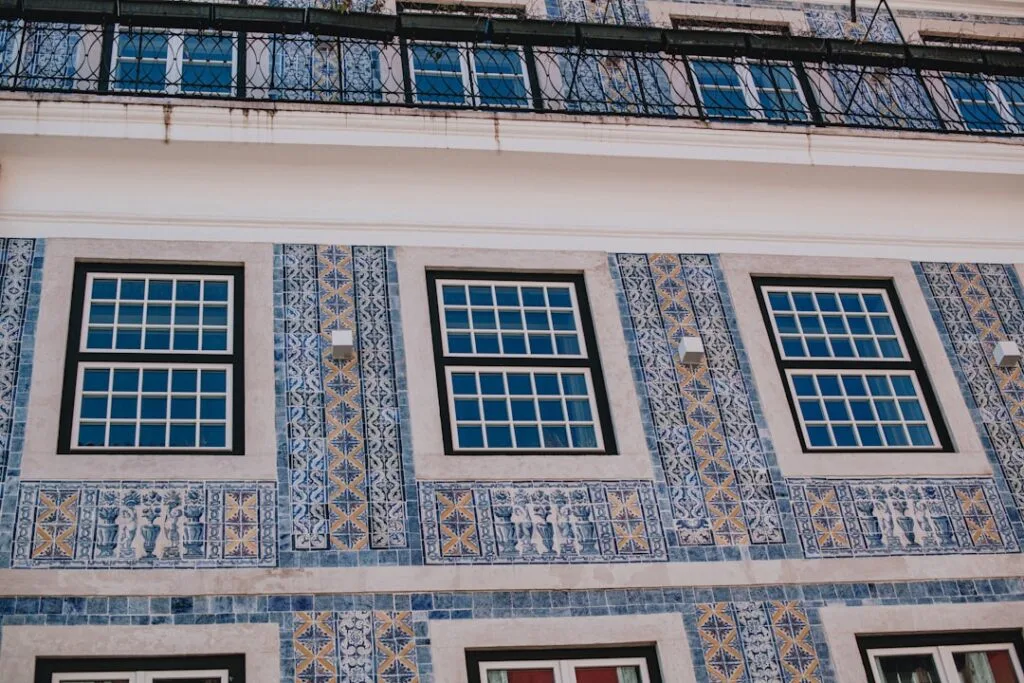
Beyond the permanent collections, don’t miss the cloister room and the convent chapel where large baroque panels depict religious scenes in blue and white. The labels explain techniques: tin‑glaze, stamping, firing, installation in shades. The scenography lets you follow stylistic evolution — from mudéjar decor to narrative rococo compositions and then the industrial series of the 19th century.
Practical tips: arrive at opening to enjoy the rooms without crowds and to get ideal light for photography (no flash). The museum has a shop with objects and reproductions; it’s an excellent place to buy a small authentic azulejo without going through city centre tourist shops. Book workshops in advance, especially in high season (June–September), and check the official site or call to confirm hours and availability.

Alfama: alleys, façades and markets — an immersive stroll
Alfama, Lisbon’s oldest quarter, is a maze of alleys where azulejos reveal themselves on house façades, building entrances and churches. Start your route at the Miradouro das Portas do Sol (Largo das Portas do Sol, 1100-004 Lisboa) for a panoramic view over the roofs and tiled façades clinging to the hill. Then head down to the flea market Feira da Ladra (Campo de Santa Clara, 1100-471 Lisboa) — open Tuesday and Saturday mornings, roughly 08:00–13:00 — where antique dealers sometimes offer detached azulejos and restorable fragments.
On your way, don’t miss the Igreja e Mosteiro de São Vicente de Fora (Largo de São Vicente, 1100-572 Lisboa). The church and monastery house long friezes of historical azulejos, often in blue and white, illustrating hagiographic tales and historical scenes. Approximate hours: daily 09:00–18:00. Access to the church is generally free; the ticket for the panoramic terrace and some museum areas is around €4.00.
Stroll next toward the Graça neighborhood (Miradouro da Graça, Largo da Graça, 1170-165 Lisboa): the grand outdoor azulejo panels tell popular life stories, sometimes restored and sometimes weathered by time — perfect for backlit or soft morning light photography. Alfama is also ideal for stopping in a small café and listening to fado: many restaurants and casas de fado use azulejos as decorative showcases.
Local tips: wear non‑slip shoes — the calçada cobbles are uneven. If you’re hunting for azulejo fragments for creative projects, negotiate politely at the market and favour sellers who provide provenance. Avoid touching or climbing on historic panels; respect protection perimeters. Finally, favour morning hours to avoid summer heat and crowds.
 Click here to book your ticket for the Monastery of Saint Vincent of Fora
Belém: cloisters, monasteries and large-format azulejos
The Belém district, west of the city centre, concentrates national monuments and museums where azulejos sit alongside Manueline architecture. Start with the Mosteiro dos Jerónimos (Mosteiro de Santa Maria de Belém), located at Praça do Império, 1400-206 Lisboa. Indicative opening hours: 10:00–17:30 (closed on some public holidays, check the calendar). Price: Entry around €10.00 for the cloister and church (rates vary with temporary exhibitions).
The Jerónimos cloister shows fewer azulejos than other sites, but its interplay of carved stone and tiled surfaces in the adjacent churches and chapels is worth noting. A short walk away, the Museu Nacional de Arte Antiga (Rua das Janelas Verdes, 1249-017 Lisboa) holds an important collection of historic azulejos and faience objects. Opening hours: Tuesday–Sunday 10:00–18:00. Entry: around €6.00.
Belém is also the route to the Torre de Belém and the Monument to the Discoveries, where visitors will find small craft shops selling reproductions and modern tiles inspired by historic patterns. Take advantage of the riverside to photograph the tiled facades’ reflections at sunset — the golden light brings out the blue tones and the enamel reliefs.
Practical tips: combine the Mosteiro visit with the National Museum of Ancient Art to study conservation techniques. Bring a windbreaker for breezy afternoons by the river. If you want a workshop in Belém, book ahead: many tourist workshops offer 2-hour sessions (average price €35–50 per person), including firing and glazing.
Click here to book your ticket for the Jerónimos Monastery
What experiences let you get hands-on with azulejos?
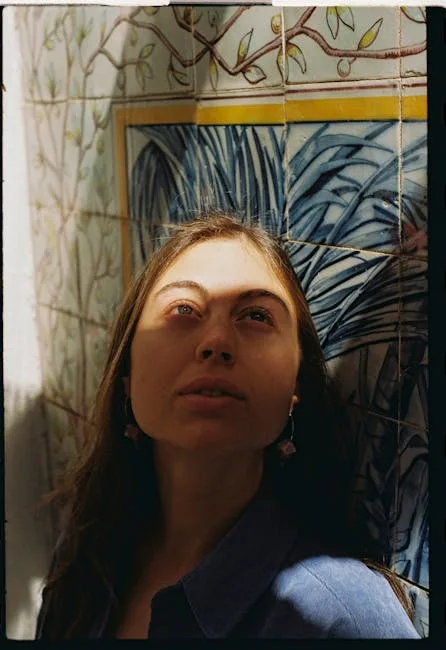
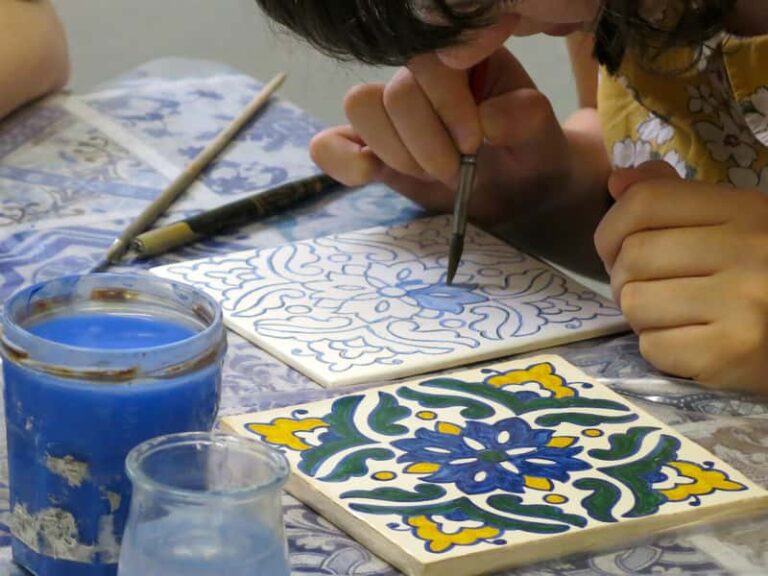
The smell of still-warm glaze, the faint scrape of a brush on the surface: starting with the material changes the visit. These workshops teach the gestures, let you take home a fired tile and explain why every pattern tells a story. Choose based on your available time and desired depth of experience.
1. In-depth workshop at Madredeus
Immersive 3-hour session at Madredeus to learn history and technique; you paint, the instructor guides each step and your tiles are fired before collection. Perfect for those who want real contact with the craft.
- ⏱️ Duration: 3 hours
- 🚩 Departure: Madredeus workshop (near Alfama)
- 🎟️ Included: Materials and snacks; tile firing
- 🗣️ Languages: English, French, Portuguese
2. Short workshop in Benfica
2-hour session, ideal if you’re short on time: pattern transfer, guided painting and firing included within a few days; small group for a more intimate experience and suitable for beginners.
- ⏱️ Duration: 2 hours
- 🚩 Departure: Near Benfica church
- ❤️ Perfect for: Beginners and time-pressed travellers
- 🗣️ Languages: Portuguese, English

Bairro Alto, Chiado and contemporary studios: from market to workshop
The city centre, around Chiado and Bairro Alto, stages a meeting between heritage and contemporary creation. Walk from Praça Luís de Camões (Praça Luís de Camões, 1200-243 Lisboa) into the narrow streets filled with designer shops and studios. Many artisans and young ceramists exhibit limited series here: traditional motifs revisited, hand-painted tiles or contemporary reproductions in vivid colours.
Chiado houses galleries and some studios offering introductory azulejo painting classes. Private workshops typically run 2–3 hour sessions priced between €35.00 and €60.00 per person, materials included. A typical spot to look for contemporary workshops: LX Factory (Rua Rodrigues de Faria 103, 1300-501 Lisboa) — a large creative hub where shops, studios and pop-ups showcase ceramics and design tiles.
Favor a late-afternoon visit: the changing dusk light highlights textures. For photography enthusiasts, Bairro Alto’s lanes offer striking contrasts between tiled facades and contemporary graffiti. The small streets also host cafés where you can study pavements and ask servers for local artisan recommendations.
Local tips: to join a workshop, book online via specialist platforms (GetYourGuide, Airbnb Experiences) or contact the studio directly; places are limited. If you buy an original azulejo, always ask for a restoration certificate if the piece is old, and plan transport: an authentic tile can be fragile — pack it carefully or arrange delivery.
Click here to book a photoshoot in Lisbon
Workshops, purchases and restoration: advice for the informed enthusiast
Buying or restoring azulejos in Lisbon requires some method. Here are recommended addresses and practices. For learning, start at the Museu Nacional do Azulejo which runs educational workshops (see the museum section for hours and prices). At LX Factory (Rua Rodrigues de Faria 103) you’ll find creative studios and artisan shops. For antique pieces and restoration, turn to specialist heritage restoration workshops (many located in historic areas) — prices vary with complexity: a simple fragment restoration can start at €20–40, larger interventions cost more.
Where to buy: design shops in Chiado and the studios at LX Factory for contemporary pieces; the markets (Feira da Ladra) and a few antique dealers in Alfama for older fragments; the shop at Museu Nacional do Azulejo for certified reproductions. Indicative prices: a small decorative azulejo (replica) €8–25, a unique artisan tile €30–80, a custom panel several hundred euros depending on size and complexity.
Practical buying tips: ask about provenance, age and any restoration done. Insist on professional packing if you’re traveling: reputable shops offer bubble-wrap and wooden crates for export. Check export rules if you buy very old pieces—some fragments may be listed and subject to restrictions.
For an authentic experience, pick a workshop that explains the technique: stencil drawing, glaze application, firing. It’s also the best way to take home a personal memento and appreciate the technical effort behind the object.

Conclusion: map out your own azulejos trail
The azulejo circuit in Lisbon is meant to be experienced with both eyes and hands. Between the very educational Museu Nacional do Azulejo, Alfama’s abundant panels, the museums of Belém and the contemporary studios in Chiado and LX Factory, the city offers a full view of the techniques and uses of Portuguese tiles. Walking around you’ll see how azulejos fit into the urban fabric: protecting against damp, narrating façades, and serving as a decorative medium continually reinvented by today’s creators.
Allow at least half a day for the museum, a morning for Alfama and the Feira da Ladra, and an afternoon for Belém or a hands-on workshop. Book workshops in advance, favor off-peak hours (mornings) for photography, and always carry a waterproof bag to protect purchases. Finally, give yourself time: some panels reveal themselves in the details, others only show their story after a few streets — Lisbon is told in steps and tiles.
Enjoy the route: whether you seek historical authenticity or the surprise of a contemporary studio, Lisbon’s azulejos will offer you a rich, colorful and memorable stroll.