





Introduction: Lisbon, between Modernism and Art Deco
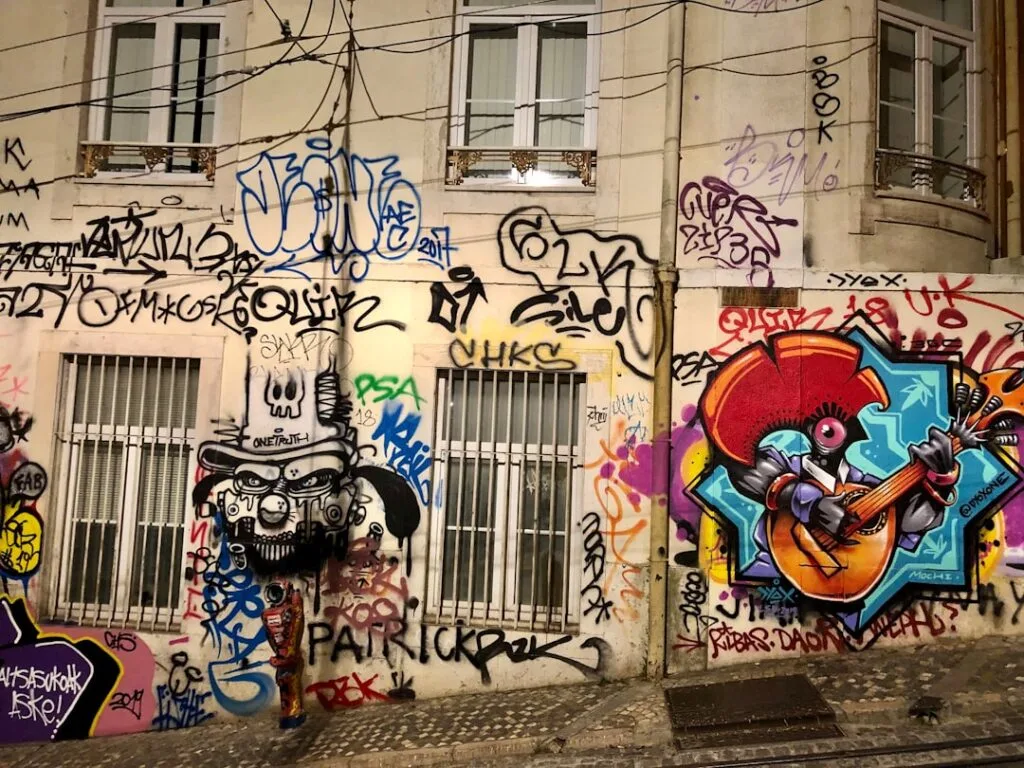
Lisbon is a city of contrasts: its hills open up panoramas mixing bell towers, glazed tiles and contemporary silhouettes. The Portuguese capital is not just a Manueline and baroque postcard — it’s also an urban laboratory where modernism of the 20th century and Art Deco have left visible traces, sometimes blended with traditional textures. On every street corner, a façade tells a story: modernist villas, corner apartment blocks with geometric lines, cinemas and theaters with glass canopies and neon, and contemporary public buildings showcasing raw materials. This architectural walk invites you to read Lisbon through these styles, to wander avenues and riverfronts and understand how the city negotiated modernity and heritage.
Portuguese modernism expresses itself through a search for pure angles, smooth surfaces and a new relationship with the neighborhood; Art Deco often adorns building corners and entrances with geometric ornaments, stylized ironwork and elaborate canopies. Together, these two currents define whole axes: from the Avenida da Liberdade to the public complexes along the riverfront, and through the radical renovations of Parque das Nações. This guide takes you to emblematic sites — with addresses, opening hours and indicative prices — and offers practical tips to get the most from the visual experience on site.
Ready to look up and study cornices, bas-reliefs and light play? Bring comfortable shoes, a power bank for your camera and a curiosity for detail: behind a façade you may find the story of an architect, a patron or a cinema that shaped the neighborhood. The stroll is as visual as it is sensory: feel limestone warmed by the sun, hear the tram squeal on old rails and be surprised by a modernist courtyard hidden behind a discreet door.
Avenida da Liberdade: Art Deco and urban elegance
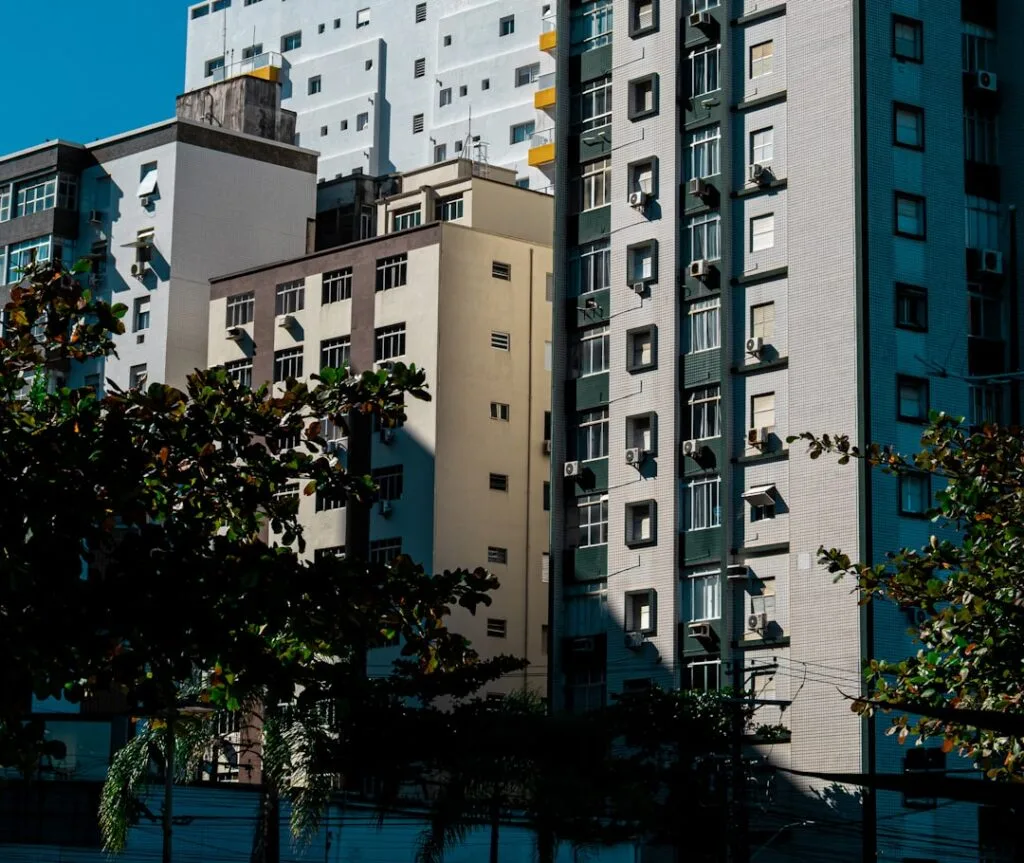
The Avenida da Liberdade is one of the best picture books for those seeking Art Deco and the transitions to modernism in Lisbon. This straight avenue, laid out in the mid-19th century, runs from Rossio to Praça do Marquês de Pombal. You’ll find historic hotels, shop fronts and apartment buildings featuring Art Deco ornaments — stylized wrought-iron balconies, geometric reliefs, lintels and restrained canopies. The avenue is a lively promenade: trees, statues and theaters mark the route.
General address: Avenida da Liberdade, 1250-096 Lisboa. As a public thoroughfare, access is free and open 24/7. The best time to study the reliefs is early morning or late afternoon, when low sun casts strong shadows on the motifs. Don’t miss the old building numbers around Praças dos Restauradores and Marquês de Pombal, where the influence of Art Deco styles and modernist rationalism is visible in proportions and the hierarchy of floors.
Practical tips: walk from Rossio toward Marquês for a gradual ascent, stop at cafés to leaf through architecture guides and watch the gateways — some hide renovated modernist courtyards. To photograph façades without crowds, favor the early hours; in the evening, neon plays enliven the canopies. If you want to visit the interior of a landmark building, check ahead: some hotels and shops open their lobbies for a purchase or a small fee.
 Click here to book a photoshoot in Lisbon
Belém: a clash of heritage and modernity
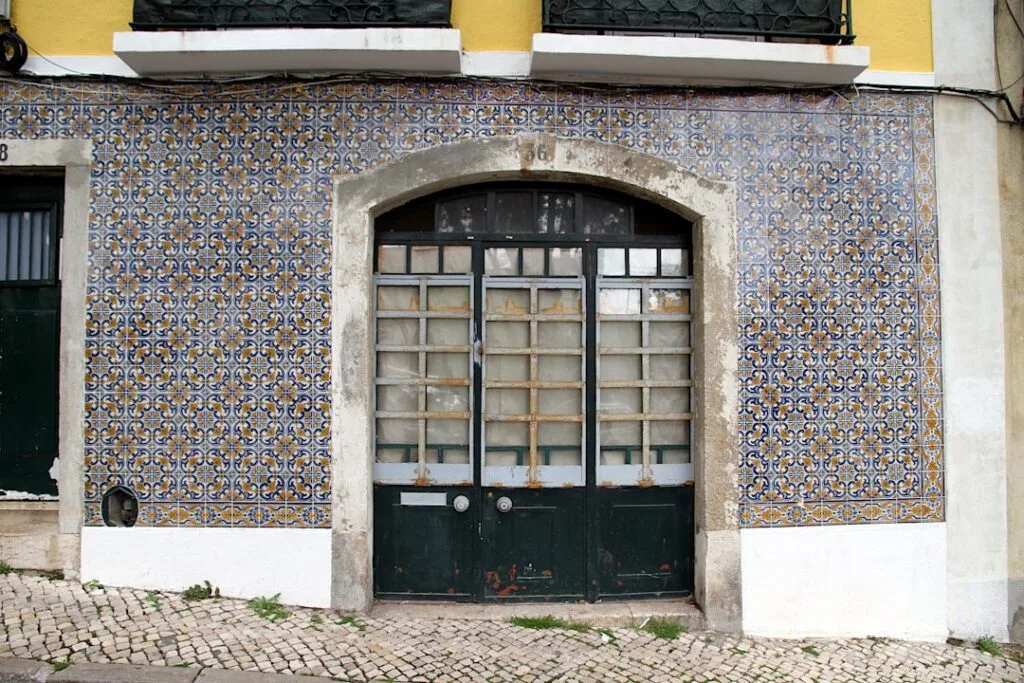
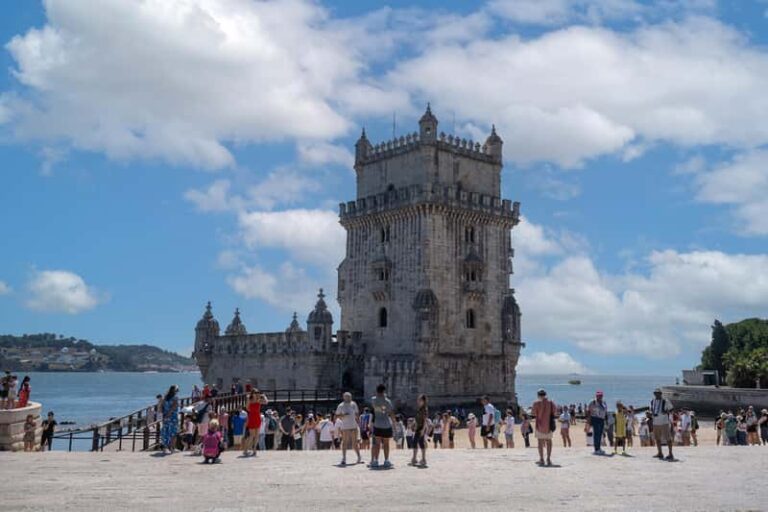
The Belém district is a meeting ground between historic grandeur and contemporary architecture. Steps from the Manueline monuments rise buildings and museums that embody the dialogue between tradition and modernity.
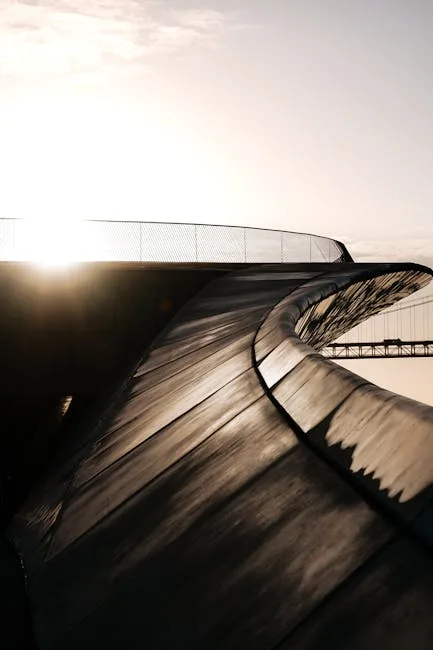
- MAAT – Museu de Arte, Arquitetura e Tecnologia: Avenida Brasília, 1300-598 Lisboa. Indicative hours: Tuesday–Sunday 11:00–19:00, closed Monday. Indicative price: around €9 (temporary exhibitions; access to the exterior esplanade often free). The building with fluid curves by Amanda Levete offers a white façade that captures the light of the Tagus and provides spectacular viewpoints over the river.
- Centro Cultural de Belém (CCB): Praça do Império, 1449-003 Lisboa. Indicative hours: generally 10:00–19:00 (depending on programming). Variable prices: temporary exhibitions €3–€12 approx. The CCB is a contemporary behemoth housing performance halls, museums and exhibitions where modern architecture dialogues with the vast esplanade inaugurated for the commemorations.
- Mosteiro dos Jerónimos: Praça do Império, 1400-206 Lisboa. Indicative hours: Tuesday–Sunday 10:00–17:30. Indicative price: €10. The neighboring Manueline building highlights the historical gap between styles and often serves as a backdrop for modern interventions.
Belém is best visited on foot: start at the Mosteiro dos Jerónimos, continue to the CCB and finish at MAAT for sunset over the Tagus. The contrast between carved stone and modern metal panels is striking. The surroundings also offer gardens and cafés where you can enjoy a local pastry — a perfect moment to observe, map in hand, how each building faces the river.
Click here to buy your ticket for the MAAT gallery
Click here to visit the Jerónimos Monastery with audio guide
Discover these on-site experiences
Want to extend your architectural reading with visits that embody modernism and Art Deco? Pick places where form talks to function and where the urban context tells the 20th‑century story. These suggestions favor varied vantage points: museum, viewpoint, infrastructure and guided tour to better place each style.
1. Oceanário — staging the riverside
The Oceanário, born from Expo98, presents a building‑object that engages the Tagus: museum architecture frames a marine scenography, perfect for reading the modernity of the riverside.
- ⏱️ Duration: ≈ 2–4 h
- 🎟️ Access: Tickets available online or on site
- 💡 Highlight: Marries architectural monumentality with interior scenography

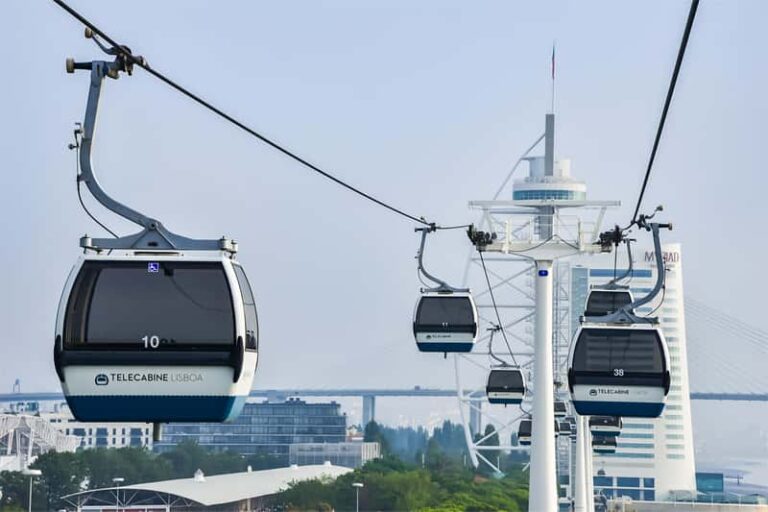
2. Cable car — Parque das Nações panorama
A short but revealing ride: the cable car frames Expo98 from above, letting you appreciate volumes, openings and the relationship between buildings and river from the urban section.
- ⏱️ Duration: ≈ 12 min
- 🚩 Departure: North Station / South Station (depending on ticket)
- 💡 Highlight: Overall view of Expo98 urbanism
3. MAAT & Central — industrial heritage and contemporary form
The MAAT pairs the old power plant with a contemporary white‑curved gallery: an excellent spot to observe material transition and the sculptural cladding on the waterfront.
- ⏱️ Duration: ≈ 1–2 h (per site)
- 🚩 Location: Belém — access from the Tagus riverbank
- 💡 Highlight: Tangible dialogue between historic factory and contemporary architecture

4. Belém by tuk‑tuk — condensed route
A short, mobile circuit linking Jerónimos, the MAAT and viewpoints on the bridge; useful for quickly spotting material contrasts and scale shifts between heritage and modern interventions.
- ⏱️ Duration: 2 hours
- 🎧 Format: Private tuk‑tuk with photo stops
- 🗣️ Languages: English, French, Spanish, Portuguese, German, Arabic
Parque das Nações and Estação do Oriente: contemporary modernism
Parque das Nações is Lisbon’s contemporary face: designed for Expo 98, it showcases urban planning that favors modern materials, bold volumes and public infrastructure. This neighborhood is a lesson in urban modernity, ideal for spotting clean lines, metal structures and glass compositions.
Estação do Oriente (Gare do Oriente) — Avenida D. João II, Parque das Nações, 1990-231 Lisboa — was designed by Santiago Calatrava and is an example of structural architecture serving public space. The station is accessible continuously (platforms operate 24h), shops and services generally open early and close in the evening (hours vary, shops often 06:00–23:00). Metro lines, trains and buses converge here, making it very accessible.
Nearby is the Oceanário de Lisboa — Esplanada Dom Carlos I, Parque das Nações, 1990-005 Lisboa. Indicative opening hours: 10:00–19:00 (closed some holidays); indicative adult price: €19. The building’s architecture, set on the riverbank, plays with transparency and glass facades, while the interior houses one of Europe’s largest aquariums — a visit that blends design and modern museum staging.
Tips: allow half a day for Parque das Nações — the riverside promenade, public parks, glass facades and footbridges offer varied photographic angles. In the evening the station and buildings light up, creating a neighborhood-scale light show. Easy access by metro (Oriente station). Check attraction hours and buy your Oceanário tickets online to avoid queues.
Click here to book your ticket for the Oceanário de Lisboa
Theaters, cinemas and Art Deco details: stage and street
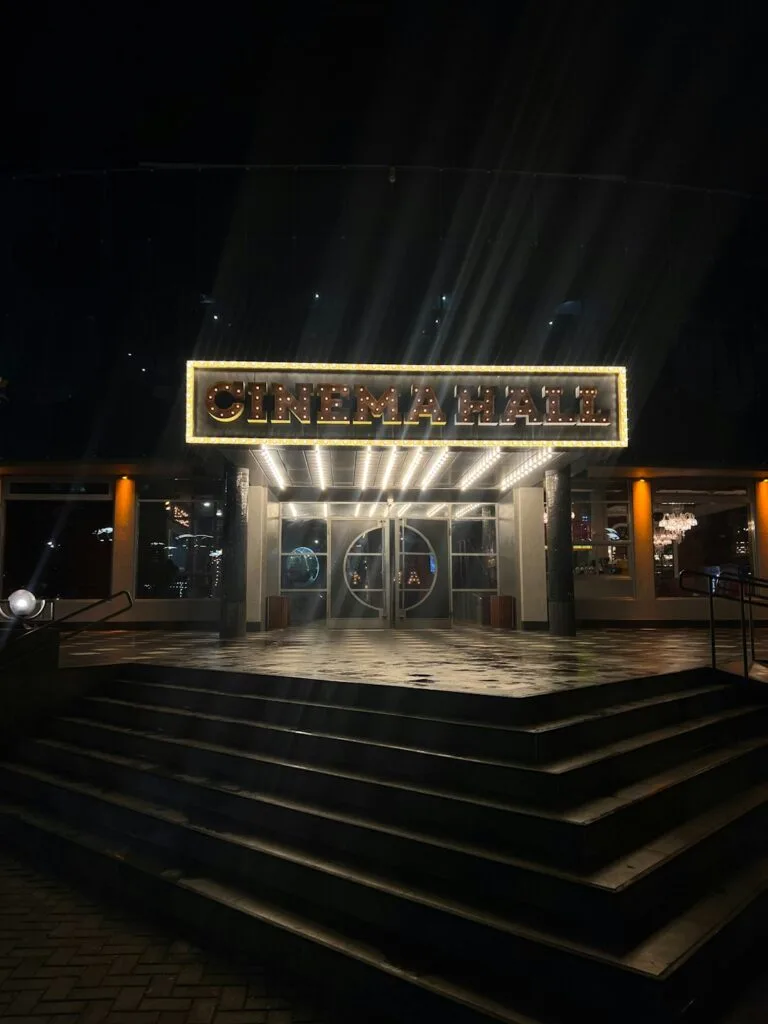
Lisbon has kept a vivid memory of cinema and theatre, and it’s often in these venues that Art Deco reveals its most evocative details: canopies, carved lettering, ornate lobbies. The mix of cultural functions and well-kept facades makes them must-stops on an architectural walk.
Cinema São Jorge — Avenida da Liberdade 175, 1250-146 Lisboa — is an example of a cultural venue that blends contemporary programming with a modernized classic facade. Showtimes vary; box office and prices depend on films and events (indicative prices: €7–€12 per screening). Before or after a screening, notice the marquee and exterior typography, remnants of a certain urban glamour.
Teatro Tivoli BBVA — Praça da Figueira 10A, 1100-241 Lisboa — is another key spot, whose renovation sought to preserve interior Art Deco elements while modernizing the facilities. Programming, opening hours and prices vary by show (indicative ticket prices: €15–€60).
While wandering, look up often: entrance plaques, lanterns, gold numbers on wooden lobby panels tell the story of a decorative art aimed at spectacle. Tip: local cultural programs, small exhibitions and restored film series often offer the chance to visit a renovated foyer and appreciate materials (wood, bevelled glass, mosaics). For most venues, the box office opens one hour before events start.
Routes and practical tips for an architectural walk
Organizing your walk requires a bit of method: define an area, plan time and breaks, and know the transport options. Here are some routes and practical tips:
- Short route (2–3 hours): Rossio (Praça Dom Pedro IV, 1100-200 Lisboa) → Avenida da Liberdade → Praça Marquês de Pombal. Ideal for spotting Art Deco facades and historic hotel lobbies. Access: metro (Baixa-Chiado or Restauradores stations).
- Belém route (half-day): Mosteiro dos Jerónimos (Praça do Império, 1400-206 Lisboa) → Centro Cultural de Belém (Praça do Império, 1449-003 Lisboa) → MAAT (Avenida Brasília, 1300-598 Lisboa). Allow 3–4 hours for museums and a snack break (pastéis de Belém at Pastéis de Belém).
- Modern route (Parque das Nações): Estação do Oriente (Avenida D. João II, Parque das Nações, 1990-231 Lisboa) → Oceanário (Esplanada Dom Carlos I, 1990-005 Lisboa) → riverside promenade.
Transport: use the reusable Viva Viagem card for metro, tram and bus; single tickets cost a few euros and day passes are available. Opening hours: most museums open between 10:00 and 19:00; cafés open from 08:00. Prices and hours mentioned here are indicative — check official sites before your visit.
Recommended gear: comfortable shoes, camera or smartphone with a full battery, sunglasses, and a small bottle of water. Respect private property: always ask permission before photographing a residential lobby or patio. Finally, give yourself time to observe: architecture is read in details and in the movement of the people who inhabit these spaces.
Conclusion: reading Lisbon through its styles
Lisbon reads like a great architectural novel: Art Deco pages, Modernist chapters and contemporary insertions follow and answer each other. This walk is an invitation to slow down, observe the dialogue of textures, and spot how a canopy, balcony or glass bay marks an era. The places featured — from Avenida da Liberdade to MAAT, from Estação do Oriente to performance venues — offer a rich palette to understand the city’s evolution in the 20th and 21st centuries.
Practically, keep the listed addresses and hours as starting points, but always verify updated information (ticketing and exceptional closures). While walking, take time to step into cafés, read municipal plaques, listen to locals talk about the neighborhood: architecture doesn’t exist without its inhabitants. Whether you’re an architecture professional, an informed enthusiast or a curious traveler, Lisbon offers a living, changing route for those who look up and compare lines.
Enjoy your architectural walk — and remember: the best discovery can happen behind a discreet door, in a modernist patio or on a patch of pavement where the light finally makes the perfect façade.
