






Introduction: Mouraria, the Beating Heart of Lisbon’s Neighborhood Parties
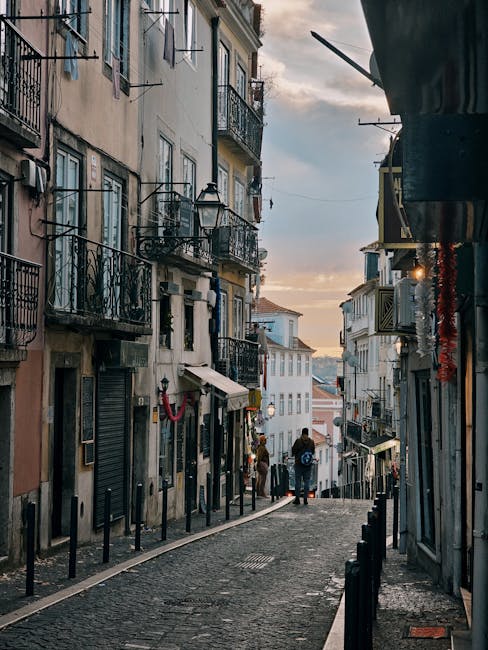
Mouraria is one of Lisbon’s most authentic and multicultural neighborhoods. Perched between Alfama and the historic center, this maze of narrow lanes, azulejo‑covered walls and brightly painted doors embodies the city’s popular soul. While many visitors linger at São Jorge Castle or Praça do Comércio, Mouraria offers a different Lisbon — more intimate, louder, and more steeped in local tradition. It’s here that neighborhood festivals (arraiais) are born, where neighbors gather around grilled sardines, where fado spills out of tiny bars, and where Mozarabic, African, Brazilian and Portuguese influences blend into a joyful cacophony.
The festivals in Mouraria aren’t tourist set‑pieces; they’re community gatherings, often organised by local associations, fado houses, parishes and arts collectives. They take place year‑round but reach a peak in June for the Festas de Santo António, when all of Lisbon pulses with marches, grilled sardines and street dances. In Mouraria those celebrations feel more compact and convivial — strings of lights hang across the alleys, tables are laid out in the squares, and musicians improvise. The result is an immersive experience where people share food, music and the neighborhood’s story.
Beyond the big parties, Mouraria hosts micro‑events: small street festivals, open‑air exhibitions, fado nights in historic houses, dance workshops and local markets. Each event reveals a different facet of the community: cultural resilience, popular creativity and neighbourly solidarity. Understanding Mouraria’s festivals is also understanding how Lisbon keeps its traditions alive while opening to the world.
This article is a practical guide to experiencing Mouraria’s neighborhood parties and traditions: where to go, which places and monuments to visit before or after a festival, exact addresses, opening times, rough prices, and tips on blending in and respecting local customs. I’ll cover major events like the Arraial da Mouraria during the Festas de Santo António, improvised fado jam sessions, street markets and community initiatives such as Casa da Mouraria and local performance venues. You’ll also find practical advice — how to get there (metro, tram, walking), what to wear, where to eat and how to positively contribute to these festivities without disrupting everyday life in the neighborhood.
Before diving into the details, keep one simple rule in mind: visit Mouraria slowly and respectfully. Neighborhood parties are windows into residents’ daily lives — taking time to listen, offering a smile, and sharing a drink or a sardine at a communal table is the best way to appreciate the spirit of this centuries‑old quarter.

Arraial da Mouraria and the Festas de Santo António: How to Dive In (Practical Info, Locations and Times)
The Festas de Santo António (mainly June 12–13) are Lisbon’s most emblematic popular celebrations. In Mouraria, the Arraial da Mouraria turns squares and lanes into a big neighborhood dance. The main action usually happens around Largo da Mouraria and Rua do Capelão, where temporary stages are set up for traditional music groups, local DJs and fado concerts. Largo da Mouraria is roughly at 1100‑554 Lisboa; it’s the focal point of the festivities and is an easy walk from Martim Moniz metro station.
Schedule and format: the arraial often kicks off in the early evening (around 18:00) and goes on late into the night (midnight to 02:00 depending on the day). During the daytime you’ll find family activities (children’s workshops, cooking demos) while evenings focus on concerts and the « marchas populares » — neighborhood parades with costumes and choreographies. Most activities are free; only a few special nights or paid concerts may require a ticket (typically €5–15).
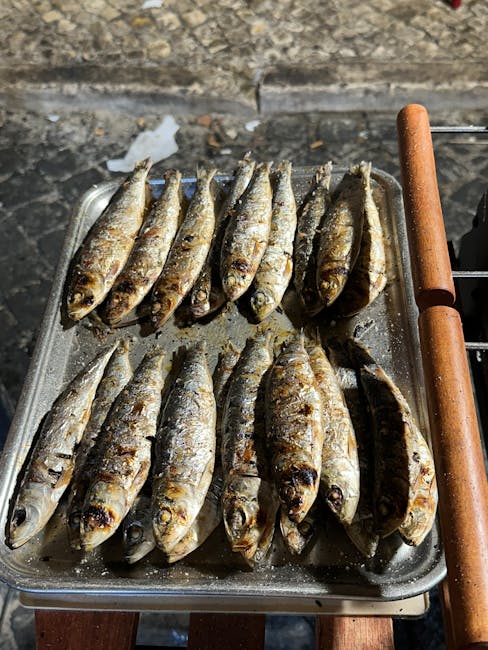
Practical tips: arrive early if you plan to eat on site — the grilled sardine stands (sardinhas assadas), bifana stalls and piri‑piri booths often have queues between 20:00 and 22:00. Bring cash (€): although some stalls accept cards, many still operate on a cash basis. Wear comfortable shoes: the cobbled streets and sidewalks can be slippery at night. If you want to photograph, look for quieter vantage points (side alleys) so you don’t block foot traffic. And please respect private spaces: the celebrations take over public squares but not the inside of private buildings.
Useful addresses and spots nearby:
- Martim Moniz Metro — Praça Martim Moniz, 1100‑341 Lisboa (central station serving Mouraria). Hours: 06:30–01:00. Fare: single metro trip ~€1.50 with a Viva Viagem card.
- Largo da Mouraria — Largo da Mouraria, 1100‑554 Lisboa (the main square for festivities). Most events are free.
- Rua do Capelão — a pedestrian hive of bars and fado house entrances, perfect for soaking up the atmosphere.
 Click here to book your skip-the-line ticket for São Jorge Castle

Fado Nights and Traditional Houses: Listening to Mouraria
Mouraria is one of fado’s birthplaces, with historical figures like Maria Severa. Unlike the large fado houses in Bairro Alto, Mouraria’s venues are often tiny and intimate, sometimes improvised in community rooms or modest tavernas (tasquinhas). Listening to fado in Mouraria usually means being close to the performers, feeling the tension, the tears and the singer’s breath. Notable spots to know include:
- Casa da Severa — Largo da Severa (near Rua do Capelão). A commemorative site and small performance space dedicated to Maria Severa, an iconic fado figure. Hours vary with programming. Entry is often free for exhibitions; concerts can be paid (€5–12).
- Clube de Fado (nearby in Alfama) — Rua de São João da Praça 92–94, 1100‑521 Lisboa. Hours: dinner‑shows 19:00–23:30. Price: dinner‑show menus €30–60 depending on the formula (the show may be included or charged separately).
- Community spaces and local associations — several small cultural centres open their doors for « fado nights. » Local posters (found in cafés) and the social pages of Mouraria associations are the best place to check up‑to‑date listings.
Tips for attending: arrive early and order at least a drink or a meal — fado culture treats the audience as part of the event (applause, respectful silences). Prices vary: some community nights ask for a voluntary contribution (donation), while tourist‑oriented houses charge fixed fees. Avoid talking during performances; silence is part of the respect in fado.
Click here to book a live fado show in historic Alfama

Markets, Street Food and Traditional Stalls: Where to Eat and How Much It Costs
Mouraria is full of small restaurants, tasquinhas and street stalls where you can sample Lisbon specialties. The best culinary moments often coincide with neighborhood festivities: grilled sardines, bifanas (pork sandwiches), caldo verde (kale soup), pastéis de nata and regional pastries. Here are useful markets and places to know:
- Feira da Ladra (flea market) — Campo de Santa Clara, 1100‑472 Lisboa. Days: Tuesday and Saturday. Hours: 08:00–13:00. Price: free entry; items and food sold individually (€2–50 depending on rarity). It’s a great stop for vinyl, clothes and vintage finds before walking to Mouraria (about 10–15 minutes).
- Tasca‑style spots in Mouraria (local examples) — usually tucked down one of the side streets; prices for a main course typically range from €8–18. Seek out little storefronts without tourist signage — they often serve the most authentic dishes.
During the festivities, expect to pay about:
- Grilled sardines on bread: €3–6 per portion.
- Bifana: €2–4.
- Glass of local wine (red or white): €1.50–3 at a stall.
- Complete meal at a tasquinha: €10–20.
Practical tips: eat standing at the stalls to live the local experience; if you prefer to sit, spot a communal table early — they fill quickly. Ask for recommendations: vendors love to tell you their best dish. For a more local, less touristy experience, avoid the big tables around Largo da Sé and explore the adjacent alleys. Also enjoy the neighborhood’s cultural diversity: small Cape Verdean, Angolan and Brazilian restaurants offer complementary flavours.
Click here to taste Port wine and Pastel de Nata in Lisbon
Monuments and Cultural Sites to Visit Around the Festivities (Addresses, Times, Prices)
Mouraria is surrounded by major monuments you can visit before or after a neighborhood party. These visits help you understand Lisbon’s multi‑layered history and add a heritage dimension to the festive experience.
- Castelo de São Jorge — Rua de Santa Cruz do Castelo, 1100‑129 Lisboa. Hours: generally 09:00–18:00 (seasonal variations, often 09:00–19:00 in summer). Entry fee: around €10 (adult rate), with discounts for youth and seniors. The castle offers panoramic views over Lisbon and Mouraria — ideal at sunset before heading into the neighborhood’s evening buzz.
- Sé de Lisboa (Lisbon Cathedral) — Largo da Sé, 1100‑585 Lisboa. Hours: 09:00–19:00 (may vary with religious services). Price: cathedral entry is free; small fees apply for chapels and the museum (€2–4).
- Feira da Ladra — Campo de Santa Clara, 1100‑472 Lisboa (already mentioned). Great for hunting souvenirs before a local festa.
- Miradouros and viewpoints — Miradouro das Portas do Sol (Rua de Santa Cruz do Castelo), Miradouro de Santa Luzia (Largo Trindade Coelho). Hours: always open. Price: free. Perfect for morning or twilight views that inspire photographers.
Tips for combining sightseeing and partying: plan a visit to Castelo de São Jorge in the late afternoon to enjoy the panorama, then walk down into Mouraria to join the arraial. The streets between the castle and Mouraria are cobbled and sometimes steep; expect a 15–25 minute walk depending on your starting point. If you visit the Sé, be mindful of service times — respect religious ceremonies and choose quieter moments for photos.
Click here to book your entry ticket for Lisbon Cathedral

Citizen and Cultural Initiatives: How to Take Part and Support
Mouraria is rich in civic initiatives: cultural associations, artistic projects, music schools and social inclusion programmes. These initiatives play a key role in organising neighborhood parties and preserving traditions. Here are the kinds of organisations you’ll find:
- Local cultural associations — small groups that run workshops, concerts and exhibitions. They often post events on public noticeboards and on local Facebook/Instagram pages.
- Community fado projects — singing and guitar workshops for young people, sometimes hosted in cultural centres or parish halls. Participation is often free or asks for a symbolic contribution (€3–10 per session).
- Art collectives and residencies — they design public art trails during arraiais and festivals. They publish programmes in advance and invite volunteers to help install modules and stalls.
How to get involved or support:
- Check the local agenda (noticeboards at Martim Moniz, bookstores and cafés) a few days before the festivities.
- Join or donate to local associations if you want a lasting impact (even €5–10 helps cover a workshop or the printing of posters).
- Offer your time as a volunteer: distribution, stage assembly, translation for international artists. Organisers welcome one‑off help.
- Buy local: prioritise neighborhood stalls and artisans to support the local economy.
By supporting these initiatives you help ensure the continuity of neighborhood parties and the transmission of traditions: fado, popular dances, cuisine and social practices that make Mouraria a living piece of Lisbon.

Final Practical Tips for a Great Visit
To make the most of Mouraria’s festivals and respect the local community, here are practical and responsible tips:
- Getting around: prefer the metro (Martim Moniz station) and walking. Tram 28 passes nearby but is often packed during high season. Get a rechargeable Viva Viagem card: it covers metro, bus and tram (€1.50 per trip; day passes available).
- Safety: Mouraria is generally safe by day and during the festivals, but as everywhere, keep an eye on your belongings (pickpockets at large gatherings). Avoid deserted streets at night if you’re alone.
- Respect residents: the parties are made by and for the community. Don’t set up a tripod at the entrance to an alley, ask permission before filming inside someone’s home, and avoid excess noise after midnight in residential areas.
- Clothing: comfort first. Closed, non‑slip shoes for the cobbles and a light jacket for the evening (the wind can be cool even in summer).
- Money: carry cash for small stalls, even though many accept cards. Have small bills (€5–20) to make purchases easier.
- Language: Portuguese is the local language; English is common in tourist spots, but trying a few Portuguese words (Obrigado/Obrigada, Por favor) is appreciated.
By following these tips you’ll enjoy an authentic, friendly and memorable experience in Mouraria — a neighborhood where Lisbon shows its most human and festive colours.
Conclusion: Mouraria — Celebration and Popular Heritage
Mouraria is much more than a patchwork of old streets: it’s a living place where tradition and modernity meet in warm and vibrant neighborhood celebrations. The arraiais, especially the Arraial da Mouraria during the Festas de Santo António, are the purest expression of that meeting — street food, intimate fado, folk dances and cultural projects that bring generations and communities together. Visiting Mouraria during a festival gives you access to a side of Lisbon not shown in every guidebook: a place where collective memory is sung, cooked and danced.
This guide has given you concrete landmarks: places (Largo da Mouraria, Rua do Capelão, Martim Moniz), monuments to visit (Castelo de São Jorge, Sé de Lisboa), markets (Feira da Ladra) and local practices (approximate prices, schedules, behavioural tips). But beyond addresses and times, the real key to a successful visit is attitude: curious respect, patience and a willingness to share. Pay attention to the music, taste the specialties, talk to locals and, if you can, support local initiatives. These small gestures are what keep neighborhood parties alive and authentic.
Finally, remember that Mouraria’s festivals, like all living traditions, evolve: new cultural influences change the sounds and the tastes, and younger generations reinvent the ways of celebrating. As a visitor you are part of that chain: your respectful and engaged presence contributes to the neighbourhood’s vitality. Come back at different times of the year, compare the atmospheres and you’ll see how Mouraria can transform itself while never losing its voice. Boa festa — enjoy the celebration — and happy discoveries in this generous, popular Lisbon.
