Introduction — Why a tour of bunkers and 20th-century remains in Lisbon?
Lisbon, a vast maritime capital and crossroads of histories, is often linked with its cobbled lanes, azulejos and viewpoints over the Tagus. But behind those tourist clichés lies a darker, more recent chapter: the 20th century, with its political tensions, wars, defense systems and industrial sites, left a network of bunkers, modernized forts, former coastal batteries and utility buildings in and around the city — many now museums, workshops or memorials. A tour of Lisbon’s 20th-century bunkers and remains lets you cross this turbulent era through the tangible — concrete, metal, turret silhouettes and pockmarked walls — and hear, through the sites, stories of neutrality, surveillance, occupation, resistance and civic memory.
This guide offers an immersive, practical experience: it gathers stops reachable from the city centre, with exact addresses, opening hours, indicative prices and local tips for finding your way. The route favors a variety of sites — coastal forts modernized in the 20th century, bunkers hidden in Monsanto Forest Park, urban air-raid shelters, and museums devoted to war, dictatorship and resistance. Each place is described so visitors understand not only the architecture and military function, but also the historical context (Portuguese neutrality, the Estado Novo dictatorship, the Colonial War), later transformations and current uses (exhibitions, walks, viewpoints).
The circuit is aimed at curious urban historians, photographers drawn to the graphics of aging concrete, families wanting to introduce teens to lesser-known episodes, and urban hikers who like combining walking, industrial heritage and panoramas. Visits can be done on foot, by bike or by public transport; several sites can be grouped into the same half-day. This guide also includes practical recommendations: how to book guided tours (some bunkers require reservations), which shoes to choose for Monsanto’s mountain paths, where to eat after the loop, and rules of respect to observe at memorial sites. Finally, you’ll find photography tips (best times, suggested angles) and how to avoid peak periods.
Before you go, bear in mind that some bunkers aren’t always open to the public, some forts remain barracks or private property and opening hours can vary by season. The route therefore offers alternatives, with interior visits when possible and exterior paths just as revealing when indoor access is restricted. Expect a walk where concrete meets the blue of the Tagus, where heavy walls coexist with bright panoramas, and where each relic tells a page of 20th-century Portugal. Enjoy the discovery — and a mindful walk.
1) Coastal fortresses and batteries: Forte do Bom Sucesso and Forte de São Julião da Barra
The coastal defences around the Tagus mark the transition between classical fortifications and 20th-century modernized systems. Two essential stops on the route are the Forte do Bom Sucesso and the Forte de São Julião da Barra, offering both architectural insight and immersion in Portuguese military strategy.
Forte do Bom Sucesso stands on the Tagus’s north bank, close to the famous Mosteiro dos Jerónimos. Address: Forte do Bom Sucesso, Praça do Império, 1400-206 Lisboa. Today the fort houses temporary exhibition spaces and provides an excellent viewpoint over the Torre de Belém and the 25 de Abril Bridge. Opening hours: generally open Tuesday to Sunday, 10:00–17:00 (closed Monday), but check timings according to current exhibitions. Price: indoor access often free or €2–5, depending on the exhibition. The site retains traces of 20th-century modernizations: reinforced casemates reused, artillery platforms restored and markings related to river surveillance.
 Click here to book your ticket for the Jerónimos Monastery

The Forte de São Julião da Barra is Portugal’s largest maritime fortress and played a central role in the 20th century defending the Tagus mouth and for government uses. Address: Fortaleza de São Julião da Barra, Avenida 25 de Abril, 2770-043 Oeiras. Note: the fort is a military base and isn’t always open to the public; visits are usually by reservation during events or heritage days. On exceptional openings, hours vary (often 10:00–16:00) and entry fees can range from free to €8 for guided tours. The fort’s walls show alterations from the early to mid-20th century: embrasures for modern guns, command bunkers with cable networks and staff accommodations.
Practical tips: from central Lisbon take tram 15 or buses toward Belém for Forte do Bom Sucesso; for São Julião da Barra, take the Cascais Line train to Oeiras station then a short taxi. Bring your passport or ID if you plan to visit São Julião (military base). Photography: sunsets in Belém enhance the forts’ silhouettes — arrive 45 minutes before sunset to catch the best light.
2) Hidden bunkers and walks in Monsanto — Parque Florestal de Monsanto
Parque Florestal de Monsanto is one of Lisbon’s largest green lungs and hides a surprising network of 20th-century military and industrial structures. Once a training and defense ground, Monsanto still contains air-raid shelters, buried bunkers, casemates and remnants of facilities tied to surveillance and military logistics. The recommended main entrance for walkers is near the Entrada da Alto da Serafina, roughly around Estrada das Laranjeiras, 1500-272 Lisboa. The park is open daily from 06:00 to 22:00 and access is free; some specific structures may be closed or dangerous, so exercise caution.
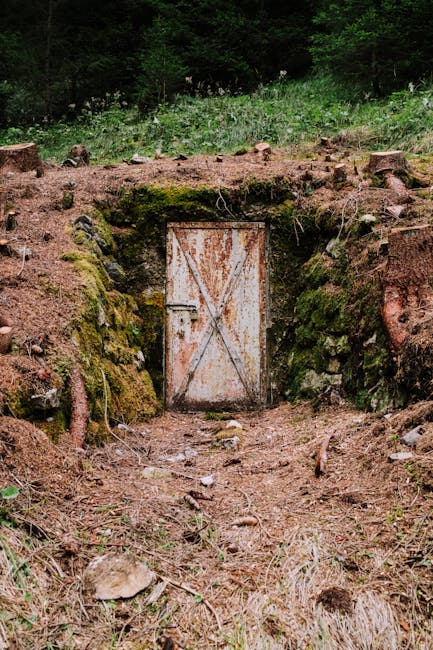
Visiting Monsanto suits both a historical and naturalist approach: start with a park map available at the main information point, then follow the marked trails that lead to viewpoints over the city. Among the highlights, look for the old concrete bunkers near Alto da Serafina and the « Estação de Radar » — remnants often marked by graffiti and overgrown vegetation, which creates powerful images for photographers. The bunkers reveal interior fittings like cable bundles, slots for armored doors and thick walls designed to withstand bombing.
Safety and respect: do not enter unsecured galleries; several bunkers have partially collapsed or flooded. Wear sturdy hiking shoes, bring a headlamp if you plan to explore dark sections, and tell a friend your route if you go alone. Preservation: avoid removing artifacts or writing on protected historical elements. Nearby are modest cafés to recharge — try « Café do Rio » on Avenida da Igreja for a break after your hike.
Click here to capture your photographic adventure in Lisbon

Visiting Monsanto suits both a historical and naturalist approach: start with a park map available at the main information point, then follow the marked trails that lead to viewpoints over the city. Among the highlights, look for the old concrete bunkers near Alto da Serafina and the « Estação de Radar » — remnants often marked by graffiti and overgrown vegetation, which creates powerful images for photographers. The bunkers reveal interior fittings like cable bundles, slots for armored doors and thick walls designed to withstand bombing.
Transport tips: take the municipal bus (Carris) lines 201 or 703 depending on your starting point, or rent an e-bike to cover more ground. For photographers, the golden hour brings a superb contrast between the park’s greenery and the ochres of Lisbon’s roofs below. If you’re with children, stick to the main trails and plan a stop at Parque Infantil da Serafina, which combines playgrounds and safely accessible remnants.
Book a tour tailored to your curiosity
Quick selection of useful experiences for this itinerary.
1. Lisbon in the shadow of World War II
Immersive 3-hour guided tour focused on Lisbon during World War II: refugees, espionage networks and transit points.
- ⏱️ Duration: 3 hours
- 🚩 Start: Praça Marquês de Pombal 12 (Café A Padaria Portuguesa)
- 🚶 Format: Guided walking tour
- 🗣️ Languages: English, German
- 💡 Highlight: Tales of spies and refugees, Portugal’s neutral context

2. Private excursion to Monsanto
Private day (SUV/sedan) to explore Monsanto: bunkers, Templar remnants and dramatic viewpoints. Ideal for combining site scouting of buried military locations with shots of remarkable landscapes.
- ⏱️ Duration: 11 hours
- 🎧 Format: Private vehicle excursion
- 🚐 Transport: Pickup from Greater Lisbon (vehicle included)
- 🗣️ Languages: Portuguese, English, French, Spanish
- 💡 Highlight: Access to bunkers and panoramas, spectacular filming locations

3) 20th-century memory museums: Museu do Aljube and Museu Militar de Lisboa
To contextualize the military structures, it’s essential to include museums that tell the political, social and military dimensions of 20th-century Portugal. Two must-see institutions are the Museu do Aljube — Resistência e Liberdade and the Museu Militar de Lisboa.
The Museu do Aljube — Resistência e Liberdade is housed in the former political prison and police headquarters of the Estado Novo. Address: Museu do Aljube, Rua de Augusto Rosa 24, 1100-059 Lisboa. Opening hours: open Tuesday to Sunday, 10:00 to 18:00 (closed Monday). Admission: general entry around €3–5; reduced rates for students and seniors. The museum features documentary and audiovisual exhibits on political repression, political prisoners, forms of resistance and the transition to democracy after the Carnation Revolution (25 April 1974). Inside, restored cells, archives, audio testimonies and photographs create an intimate and disturbing account of 20th-century political repression.

The Museu Militar de Lisboa offers a broader perspective on the technical evolution of the Portuguese army, including 20th-century pieces and documents (uniforms, weapons, maps, fortification models). Address: Museu Militar de Lisboa, Praça do Império, 1400-206 Lisboa (located in the Belém area). Opening hours: often open Tuesday–Saturday, 10:00–17:00; closed Sunday morning, check official times. Prices: between €3 and €6, depending on temporary exhibitions and workshops. The collections highlight artillery modernizations, detection equipment and light vehicles used throughout the 20th century.
Recommended combined visit: pair a morning at the Museu do Aljube (city centre) with an afternoon in Belém at the Museu Militar. This frames the country’s internal political dimension alongside its external military history. To plan your visit, check official websites for group bookings and special hours; some educational workshops require prior reservation. Photography and respect: most museums allow photography without flash; respect areas where shooting is forbidden, especially near sensitive archives or fragile objects.
Click here to book a visit to the monastery and castle

4) Peripheral and industrial sites: Bateria de Caxias, radar stations and repurposed factories
The outskirts often hold the richest industrial and military remains of the 20th century: little-known coastal batteries, radar stations, military depots and converted factories. Among these sites, the Bateria de Caxias and former radar stations along the Linha de Sintra are worth a visit, as well as industrial wastelands turned cultural spaces.
The Bateria de Caxias is located in the parish of Caxias, near Almada on the south bank of the Tagus, but accessible from Lisbon by ferry then bus or taxi. Indicative address: Bateria de Caxias, 2830-049 Caxias, Oeiras. The site mixes 19th-century fortifications and 20th-century adaptations (emplacements for modern guns, reinforced shelters, field power plants). Access is often free outdoors; interiors may be closed. Prices: free for the outdoor walk. Hours: accessible during the day, roughly 08:00–20:00 depending on the season. Its proximity to the Tagus offers spectacular views of the installations and maritime traffic.

The radar stations and transmitters scattered across the hills around Lisbon (for example on the Serra de Sintra or on peaks near Monsanto) are intriguing relics. They can appear as white domes, metal towers and technical buildings now abandoned. These installations testify to 20th-century aerial and coastal surveillance, especially during periods of international tension. To locate these sites, consult local military history groups or urban hiking clubs — some stations allow occasional visits during heritage events.
Finally, Lisbon is full of former factories and warehouses repurposed as fablabs, galleries and cultural centres that still retain 20th-century elements: chimneys, steel sheds, and rationalist-style offices. Examples: the Marvila area (Rua do Açúcar, 1900-221 Lisboa) where warehouses have been transformed into bars and art spaces while keeping metal structures and industrial paintwork. These places are perfect to end a day of touring with a cultural visit and a meal in a history-filled setting.
Click here to book your ticket for Pena Palace

Practical tips: for peripheral sites, favour weekends if you rely on public transport. Renting a car or an electric bike gives a lot of flexibility. Respect private property and no-entry signs; several installations remain under institutional control. Finally, bring water, a basic first-aid kit and a charged phone if you explore isolated areas.
5) Photography, safety and practical tips for a successful route
Exploring bunkers and 20th-century remnants requires as much practical preparation as historical curiosity. Here are concrete tips to make the most of the Lisbon circuit safely and respectfully.
Gear: wear closed, sturdy shoes, a lightweight waterproof jacket (the weather can change quickly), a headlamp for dark interiors, gloves for handling ropes or railings if needed, and a power bank for your phone. For photography, a wide-angle lens (24–35 mm) helps capture narrow interiors and bunker perspectives; a telephoto (70–200 mm) is useful to isolate details and inscriptions on walls. ND or polarizing filters help with long exposures outdoors.
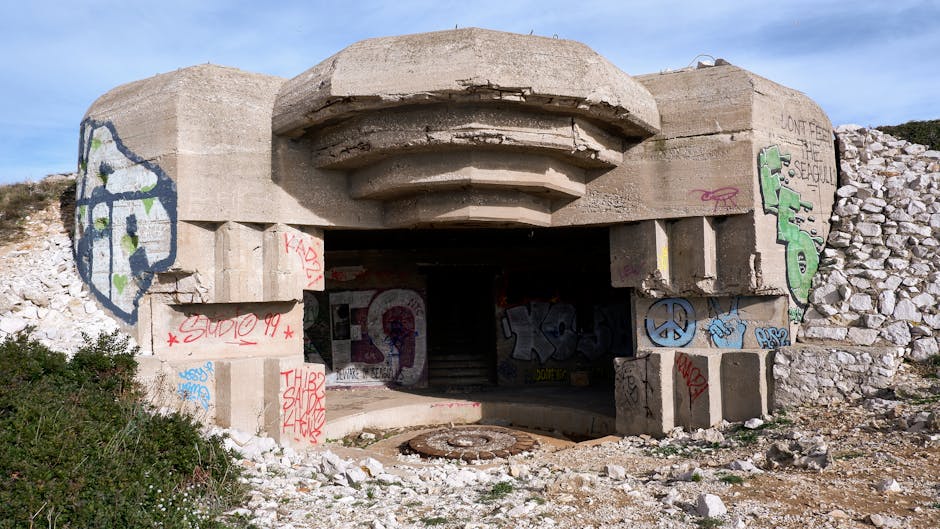
Safety and legality: do not enter areas marked « no entry »; many structures are unstable or contain asbestos and other hazards. Check what permissions are required: forts like São Julião da Barra often need prior authorization. Respect museum opening hours and avoid unauthorized night visits. If exploring natural areas like Monsanto, share your route and avoid going alone if possible.
Respect and ethics: don’t take anything, don’t carve into walls and don’t disturb memorial exhibits. Sites tied to repression or political memory require respectful behavior: speak softly, avoid inappropriate jokes and follow guides’ instructions. For museums, favor audio guides and guided tours to better understand the historical context.

Eating and sleeping: Belém and the Alfama district are full of cafés and restaurants to recharge. Recommendations: « Pastéis de Belém », Rua de Belém 84-92, 1300-085 Lisboa (open 08:00–22:30, pastéis price ~€1.25–1.70 each) for a traditional sweet break; for savory dishes, « Páteo » near the Terreiro do Paço offers fish plates and menus around €12–20. For accommodation, choose a boutique hotel in Bairro Alto or Chiado for central access to transport. Also consider eco-mobility: the tram, train and ferry network makes reaching the Tagus banks and peripheral forts easy.
Conclusion — Between memory and landscape: the importance of preserving and telling these stories
The circuit of bunkers and 20th-century remains in Lisbon invites multiple readings of the city: a material reading — made of concrete, metal, turrets and galleries — and a human reading — made of lives, political decisions, resistance and change. Walking through the forts of Belém, Monsanto’s bunkers, peripheral radar stations and memory museums, the visitor pieces together a story linking territorial defence, political repression and urban reinvention. These places aren’t mere architectural curiosities; they bear witness to historical choices, military innovations and often painful human experiences.
Visiting these sites is also an act of preservation: by taking an interest, documenting and respecting these remains, visitors help keep collective memory alive and encourage conservation policies. Many local projects aim to reconcile rehabilitation and memory — turning industrial wastelands into cultural centres while preserving historical traces. For the responsible traveler, that means prioritizing guided tours, supporting local museums with tickets and purchases, and respecting heritage rules.
Finally, this route offers a unique visual immersion: panoramas over the Tagus contrast with the density of bunker concrete, and the sensory experience — wind whistling through embrasures, the smell of the sea, shifting light on the walls — creates a deeper understanding of the past century. Whether you’re an amateur historian, photographer, hiker or simply curious, this Lisbon walk reveals another geography of the city, where 20th-century traces still resonate across the urban landscape.
Before you go, check the opening times and access conditions listed for each site, follow safety instructions and take the time to listen to local stories: guides, museums and information panels often offer surprising and moving details. When you leave these places, take with you not stones but stories — and, if you can, share them so memory continues to be told and preserved for future generations.