






Introduction — Why these Lisbon day trips are unmissable
Lisbon breathes light, steep hills and fado, but the surrounding region is packed with historic gems, wild coastlines, medieval towns and breathtaking natural scenery. Taking a day trip from Lisbon is one of the best ways to round out your stay: you keep the convenient, lively capital as your base while discovering UNESCO sites, ocean views and rural traditions just a few hours away. Whether you’re into romantic architecture, massive monasteries, sea-swept cliffs or the white alleyways of fortified villages, there’s a day trip to match every taste — doable by train, car or guided tour.
This article suggests must-see day trips from Lisbon, with practical info to plan your visits: exact addresses, typical opening hours, prices in euros, local tips and immersive descriptions to help you choose. The recommendations cover popular spots like Sintra, Cascais and Cabo da Roca, plus cultural escapes to Évora and Óbidos, and nature and food-focused outings to Setúbal and the Serra da Arrábida Natural Park.
Each destination is described in detail so you can picture your day: what time to leave from Rossio or Cais do Sodré station, how much to budget for train tickets, where to sample local specialties, and which sights not to miss. The prices and opening times are current reference points; since they can change with the season, public holidays or site updates, I recommend checking official websites the day before you go. You’ll also find practical tips — how to avoid the crowds in Sintra, where to park in Óbidos, which trails to favor in the Arrábida, and dining options for a friendly break without losing sightseeing time.
Ready to discover sweeping landscapes, fairytale castles and villages where time seems to stand still? Here’s a detailed guide to getting the most out of each day trip from Lisbon, with itinerary ideas, alternatives based on your interests, and tips to travel smart and relaxed.

Sintra: Romantic palaces, mysterious gardens and historic quarters (Palácio Nacional da Pena, Quinta da Regaleira, Palácio Nacional de Sintra)
Sintra is often called a « Palace in the mist »: about 30–40 minutes by train from Rossio station (Lisbon), the town is a concentrate of romantic architecture, damp forests and royal villas. Start at the Palácio Nacional da Pena (Estrada da Pena, 2710-609 Sintra): built in the 19th century and perched on a hill, it mixes bright colors, turrets and panoramic views. Opening hours: usually 9:30am–6:30pm (last entry around 5:30pm). Admission: around €14.50 for the palace alone, €16.50–20 for palace + park combos (rates vary; discounts often available for children/students). Tip: arrive early to avoid tourist buses and book tickets online — queues can reach several hours in high season.

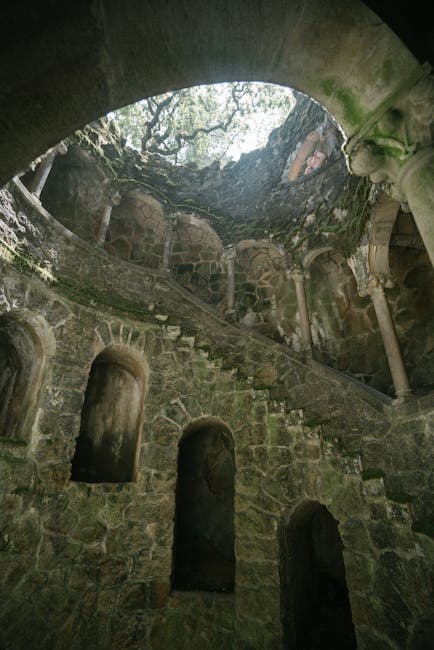
Next, head down to Quinta da Regaleira (Rua Barbosa do Bocage 5, 2710-567 Sintra), a mysterious estate rich in alchemical symbols. Hours: generally 10:00am–6:30pm. Admission: about €12 for adults. Soak up the gardens, the initiating well, caves and hidden staircases that provide exceptional photo opportunities. Tip: take your time exploring the tunnels — they’re often less busy than the main gardens.
In the town center, the Palácio Nacional de Sintra (Largo Rainha Dona Amélia, 2710-616 Sintra) is instantly recognizable by its two large conical chimneys. Hours: 9:30am–6:00pm; admission: around €10 for adults. Wander the historic alleys, and stop for a queijada (local pastry) or a travesseiro at Piriquita (Rua Padarias 1, 2710-603 Sintra). For transport, the train from Rossio → Sintra (CP urban zone fare ~€2.25) plus the local 434 bus to the palaces is convenient. If you’re driving, park near the center and walk up or take a tuk-tuk: mountain traffic is narrow and site car parks fill quickly.
Practical tips: wear comfortable shoes for the climbs, bring a water bottle and a windbreaker (weather can change fast in the Sintra hills). Avoid summer weekends if possible, or book an early private tour to fully enjoy the region’s enchanting atmosphere.
 Click here to book your tickets for Pena Palace & Park
Click here to reserve skip-the-line entry to Quinta da Regaleira
Click here to book skip-the-line entry for the Moorish Castle
Cascais & Cabo da Roca: stylish coastline, cliffs and wild beaches
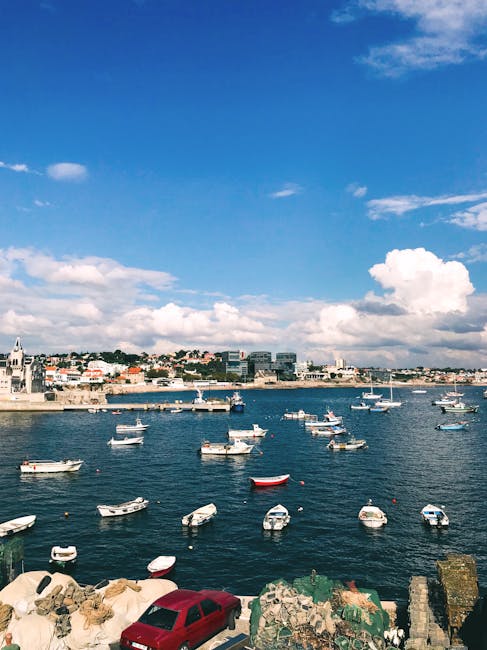
Just 30–40 minutes by train from Cais do Sodré, Cascais is an elegant seaside resort mixing marinas, beaches and nightlife. For a full day, start with a stroll around Cascais Marina (Avenida Júlio Pereira de Mello, 2750-655 Cascais), then explore the historic center and the Museu Condes de Castro Guimarães (Rua Visconde da Luz 89, 2750-305 Cascais). The museum and library are usually open from 10:00am to 6:00pm; admission about €5 (varies with temporary exhibitions). Don’t miss Boca do Inferno (Avenida Rei Humberto II de Itália, Cascais), a dramatic rock formation where the sea rushes into a natural arch — free to visit and perfect for sunset shots.
In the afternoon, head to Cabo da Roca (R. do Cabo da Roca, 2705-001 Colares), the westernmost point of continental Europe. Access is free; parking may be paid or free depending on season. The outlook offers dramatic views of the Atlantic and cliffs up to about 140 meters high. There are no permanent shops open at all times, but a small kiosk sells souvenirs and drinks (hours vary). Photo tip: the viewpoint at sunset reveals spectacular colors — but bring a windbreaker as it’s often very windy and cool even in summer.
If you love the beach, stop at Praia do Guincho (Avenida do Guincho, Cascais) — a popular spot for surfers and kitesurfers. There’s parking, restaurants and surf schools open seasonally. Cascais also has great seafood restaurants: for fresh fish and seafood try Mar do Inferno (Estr. do Guincho 67, 2750-642 Cascais) — dishes typically cost €15–30 per person. Transport: train Cais do Sodré → Cascais (~€2.25), or drive (about 30–40 minutes depending on traffic). In peak season consider joining an organized tour to Cabo da Roca to avoid parking stress and benefit from a local guide.
Évora & the Alentejo: Roman ruins, the Chapel of Bones and terroir wines
Évora makes for a major cultural day trip: a UNESCO World Heritage site, the town contains Roman remains, Gothic cloisters and cuisine rooted in the Alentejo. The Temple of Diana (Praça do Giraldo, 7000-650 Évora) is an imposing Roman ruin in the heart of the old town. Nearby, Évora Cathedral (Sé de Évora, Largo do Conde de Vila Flor, 7000-809 Évora) typically opens 9:00am–5:30pm; admission around €3–4 for the cathedral and rooftop (panoramic views often charged separately).

Don’t miss the Capela dos Ossos (Largo 1º de Maio, 7000-650 Évora) — the « Chapel of Bones » inside the Church of São Francisco. Hours: often 9:00am–6:00pm; admission: around €2–3 (small fee, confirm locally). The atmosphere is surprisingly solemn and invites reflection on time and history. For lunch head to the Mercado Municipal (Rua Cândido dos Reis, 7000-578 Évora) or a local tavern to try Alentejo specialties such as ensopado de borrego (lamb stew) or açorda alentejana (thick bread-and-coriander soup). Main dishes in traditional restaurants typically cost €10–18.
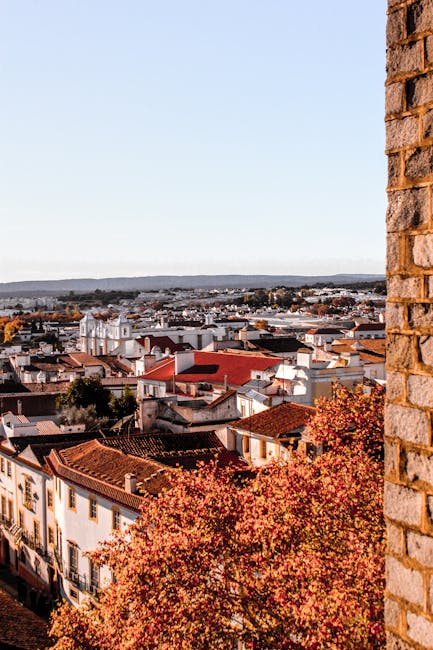
Transport: Lisbon Oriente → Évora by Intercidades train (duration ~1h30); fare around €12–15 depending on schedule and advance booking. Alternative: Rede Expressos bus (similar fare). Tip: Évora is well-suited to a full day trip and can be paired with a visit to a local winery for Alentejo wine tastings — many quintas offer tours and tastings (prices €10–25 depending on the package). Wear comfortable shoes for ancient cobbles and bring water in summer — the Alentejo can be very hot and dry.
Óbidos & fortified villages: medieval walls, ginjinha and whitewashed streets
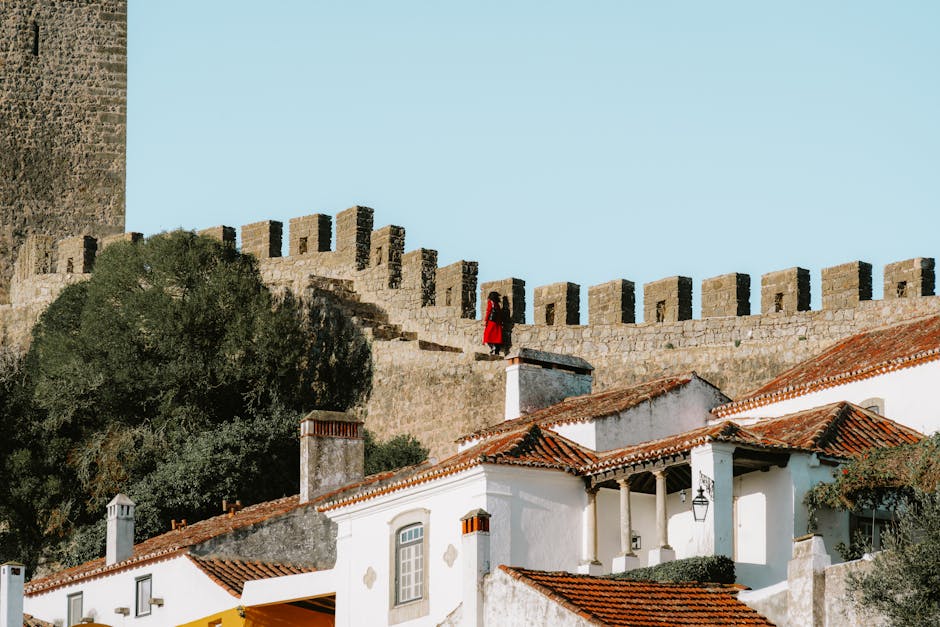
About an hour from Lisbon by car or 1h15 by bus, Óbidos is a remarkably well-preserved medieval village known for its town walls, castle and the locally made ginjinha served in a small chocolate cup. The Vila de Óbidos (2510-001 Óbidos) is best explored on foot: stroll down Rua Direita, stop at Porta da Vila to admire the azulejos (painted tiles), then climb the ramparts for views over the white roofs and surrounding countryside. Entry to the village is free; some monuments like Castelo de Óbidos (Castelo de Óbidos, 2510-001 Óbidos) now host a pousada (Pousada Castelo de Óbidos, Praça de Santa Maria) — check public access and rates if you want to see the interiors (charming stays often from €120–200 per night).
The medieval festival in Óbidos draws crowds in summer, but outside event dates the village is peaceful. Don’t miss tasting Óbidos ginjinha: several bars along the main street serve this homemade cherry liqueur, sometimes in a small chocolate cup (price €1–3 per shot). For food, taverns like A Nova Casa de Ramiro (Rua Direita 20, 2510-001 Óbidos) offer traditional dishes at reasonable prices (€10–18 per plate).

Practical tips: if you drive, park in one of the outer car parks (for example Parking do Mercado, Rua do Pelourinho) and walk up — vehicle access to the old town is usually restricted. Rede Expressos buses serve Óbidos from Sete Rios or Oriente coach stations (fare ~€6–8). Photographers should favor morning or late afternoon light to avoid harsh sun and crowds, and scout viewpoints from the ramparts toward the surrounding countryside.
Setúbal & Serra da Arrábida: markets, seafood and turquoise coves
For a mix of food and nature, head to Setúbal (from Lisbon Sul/Santa Apolónia or Cais do Sodré → Setúbal). Mercado do Livramento (Praça do Bocage, 2900-279 Setúbal) is one of Portugal’s best fish and local produce markets: fresh catches, colorful stalls and an authentic vibe. Hours: usually 7:00am–1:00pm for the fresh market section (some vendors open later). Then stroll along Avenida Luísa Todi to find well-known seafood restaurants like O Miguel e João (Avenida Luísa Todi) — main dishes around €12–25 depending on selection.
After lunch, drive to the Serra da Arrábida Natural Park to enjoy viewpoints and beaches: Praia da Figueirinha (Sesimbra/Arrábida), Praia dos Galapinhos (ranked among the most beautiful), and easy hiking trails in the Serra. Beach access is often free; some car parks charge in high season (about €3–6 per day). For a cultural stop, take the scenic road to Fort São Filipe (Rua do Forte, 2970-660 Sesimbra) for spectacular bay views; opening hours and access depend on exhibitions, so check ahead.
Practical tips: if you don’t have a car, choose a guided day trip from Lisbon which often includes an oyster tasting in Azeitão (for example Quinta da Bacalhoa) and a stop in Setúbal. Bring a snorkel mask if you want to explore the coves — the water is clear and great for snorkeling. On windy days favor the more sheltered southern beaches of the peninsula. Plan your return to Lisbon late afternoon to avoid rush-hour traffic on the A2 or N10.
Click here to discover Setúbal: history, flavors and viewpoints

Conclusion — Planning your day trips from Lisbon: priorities and final tips
Picking a day trip from Lisbon comes down to priorities: if you want romance and fairytale architecture, Sintra is a must; for rugged coastline and seaside chic, choose Cascais and Cabo da Roca; for a historical and culinary dive, Évora and Setúbal/Arrábida make complementary options. Óbidos is perfect for medieval history lovers and anyone seeking a village atmosphere close to Lisbon. All these destinations are doable in a day from the capital, but each requires different logistics — train + bus for Sintra and Cascais, car or guided tour for Arrábida and Cabo da Roca, Intercidades train for Évora.
Here are some general practical recommendations to optimize your trips: plan and book tickets in advance for in-demand sites (Palácio Nacional da Pena, Quinta da Regaleira), leave early to avoid heat and crowds, carry a rechargeable transport card (Viva Viagem) for regional trains and urban transit, and wear comfortable shoes for cobbles and trails. In high season, consider reserving a restaurant for lunch if time is tight — the best seafood and Alentejo tables fill up fast.
Finally, keep some flexibility: the weather can change, especially in Sintra and along the coast, and opening hours can vary. The richness of escapes around Lisbon means you can always return to explore more deeply: a village that charms you might deserve an overnight stay to soak up its atmosphere. Whatever you choose, these day trips offer a wonderful contrast to Lisbon’s bustle and complete your Portugal experience with views, flavors and stories that linger long after you’re back in the city.
