


Introduction: The Coffee Ritual in Lisbon
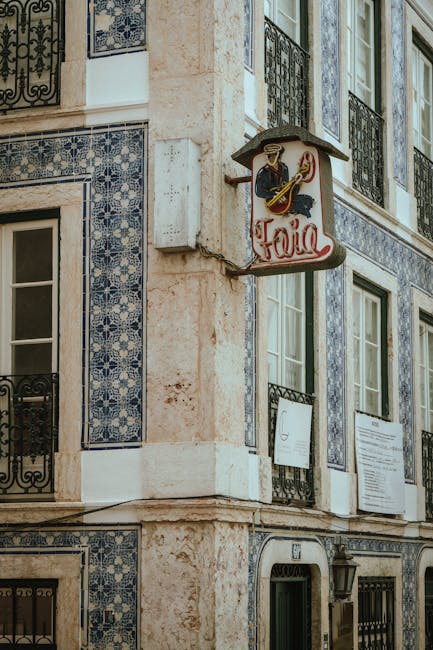
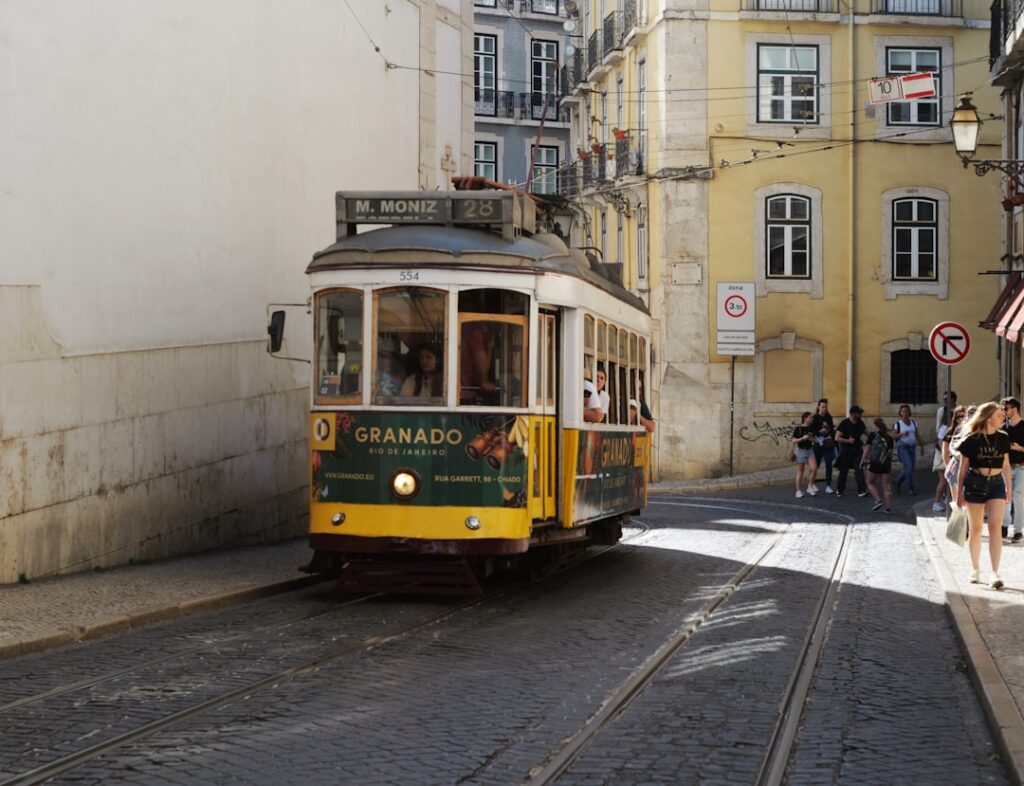
Lisbon isn’t just a sunny, hilly capital — it’s a city where coffee is a way of life. Between the creaking trams on the Bairro Alto cobbles, the azulejo-covered facades and the light-soaked plazas, the city’s historic cafés have long been public living rooms where writers, artists, politicians and locals met, celebrated and sometimes schemed. This article takes you to the venues that have shaped Lisbon’s social memory — places where you can sip a strong espresso, a buttery pastry or one of the city’s legendary “bicas” while soaking up an unchanging atmosphere.
Contenu de l'article
Over the centuries these cafés became landmarks. Some are tied to literary figures like Fernando Pessoa, others retain period wood and marble interiors, art nouveau moldings and unchanged service rituals. Visiting these cafés is like reading Lisbon with a cup in hand: you feel history in the clink of spoons, the smell of freshly ground coffee and conversations that continue year after year. Whether you’re a heritage buff, a curious foodie or a photographer hunting moods, these addresses offer a sensory treat and a lesson in local history.
Favor short stops during walking itineraries: historic cafés are often located in iconic neighborhoods — Chiado, Baixa, Rossio, Avenida da República — and make perfect pit stops between museums, viewpoints and traditional shops. In this guide you’ll find for each place: the full name, the exact address, opening hours and price ranges (indicative and subject to change — check official sites), an immersive description and practical tips to make the most of your visit.

Café A Brasileira — Rua Garrett, the Writers’ Salon
Café A Brasileira is probably Lisbon’s most famous café. Opened in 1905, it sits in the heart of Chiado and became iconic thanks to its roster of writers and artists — and more recently the bronze statue of Fernando Pessoa that stands by the entrance. Address: Rua Garrett 120, Chiado, Lisboa. Easily spotted by its green frontage and dark wooden furniture, the café keeps a turn-of-the-century feel: marble tables, leather banquettes and large mirrors that give a sense of space and history.
Hours (indicative): open daily from 08:00 to 22:00. Typical prices: espresso (bica) ≈ €1.40, galão ≈ €1.80, pastel de nata ≈ €1.60. The house also offers breakfasts and more substantial snacks in the €6–12 range.
A visit to A Brasileira is above all a sensory experience: the sound of porcelain cups, the roasted coffee aroma and the view onto Rua Garrett, the historic shopping street. If you’re a Fernando Pessoa fan, grab a table nearest the window to watch the statue and almost feel the poet’s presence. Note that the place is very touristy; for a quieter experience choose weekday mornings.
Practical tips:
- Reservations: not possible for small orders — arrive early in the morning to secure an indoor seat.
- Photography: the interior is photogenic, so be mindful of local customers and avoid flash late in the day.
- Ordering: ask for « uma bica » for an espresso; say it quickly — the staff are used to tourists.
 Click here to book a photoshoot in Lisbon’s streets
Click here to book a live fado show in Chiado
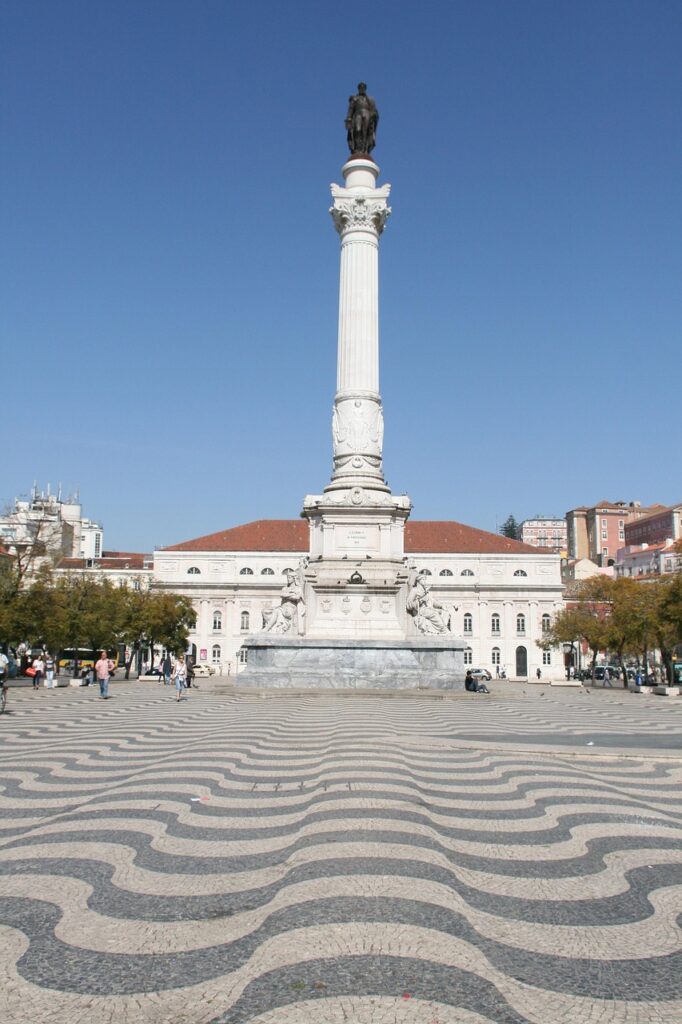
Café Nicola — At the Heart of Rossio Square
Café Nicola, located on the bustling Praça Dom Pedro IV (Rossio), Lisboa, is another institution of Lisbon coffee culture. Founded in 1787, it was long a meeting place for commercial and political elites. Wood paneling, leather banquettes and large windows make it a perfect spot to watch the square go by while sipping a coffee. Address: Praça Dom Pedro IV 24 (Rossio), Lisboa. Its central location makes it an ideal starting point to explore Baixa and Alfama.
Hours (indicative): open daily from 07:30 to 22:30. Indicative prices: bica ≈ €1.30, cappuccino ≈ €2.50, tarts and pastries ≈ €2.50–4.50. Breakfast combos are typically around €6–10.
This café was long frequented by journalists and business people, and that legacy shows in the atmosphere: a mix of seriousness and conviviality. The large windows let in plenty of natural light — ideal for a reading break or writing postcards. Outside, Rossio often hosts markets and street performers, which livens up the experience.
Practical tips:
- Seat by the square: ask for a window or terrace table to watch city life unfold.
- Quiet hours: between 10:30 and 16:00 you’ll avoid the breakfast and lunch rush.
- Access: Rossio train station is a short walk away — convenient if you’re arriving from Sintra.
Click here to buy your ticket for São Jorge Castle
Café Martinho da Arcada — A Café on Praça do Comércio
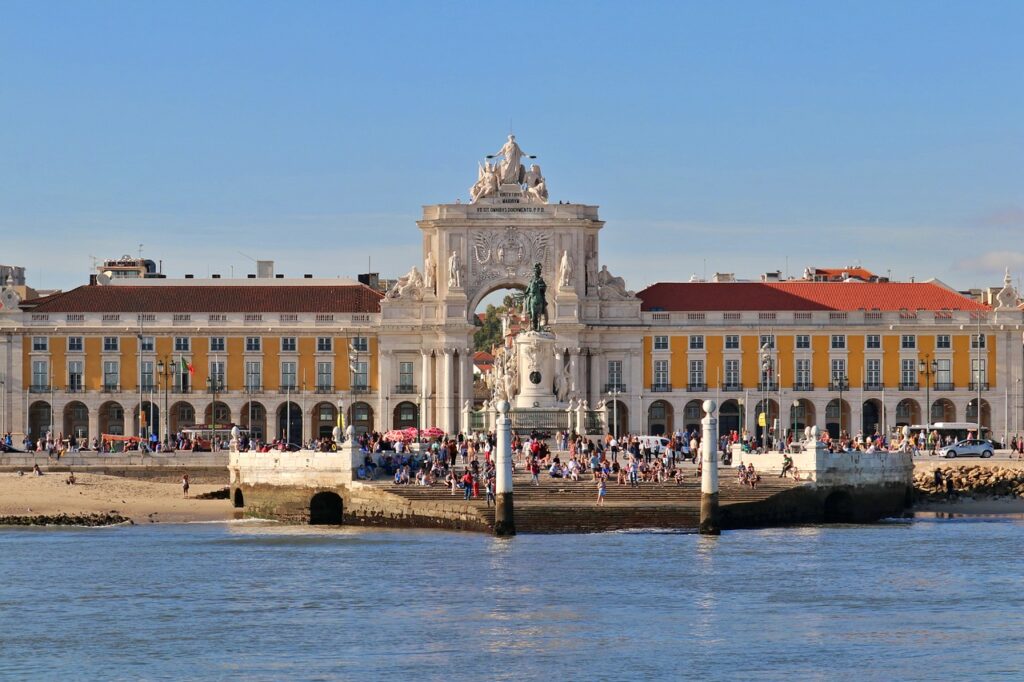
Café Martinho da Arcada is a historic café-restaurant set in an exceptional location: the arcades of Praça do Comércio, facing the Tagus River. Address: Praça do Comércio 3, Baixa, Lisboa. Founded in 1782, it has retained its period grandeur and is often associated with political and literary figures. The charm lies as much in the wood-and-marble interior as in the spectacular river view from the terrace.
Hours (indicative): open daily from 09:00 to 00:00 (kitchen hours may extend on certain days). Average prices: bica ≈ €1.50, lunch menu ≈ €12–20, fish dishes ≈ €15–25. The café offers options for a full meal, from snacks to dinner.
The Martinho da Arcada experience blends brasserie-style dining with historic bistro charm. It’s a fitting spot for a relaxed lunch before heading to the riverfront, visiting the MAAT museum or boarding a Tagus cruise. The terrace is very popular in good weather: the evening sun over the river creates a magical atmosphere, perfect for a glass of wine or a pastry.
Practical tips:
- Best time: late afternoon to enjoy the sunset over the Tagus.
- Service: staff often speak English, but a few Portuguese phrases (good morning “bom dia”, thank you “obrigado/obrigada”) are always appreciated.
- Prices: watch your bill in heavily touristy spots — check the check and ask if anything looks unclear.
Click here to book your ticket for the Rua Augusta Arch
Confeitaria Nacional — The Temple of Traditional Pastries
The Confeitaria Nacional is more than a café — it’s a pastry institution founded in 1829. Located just steps from Praça da Figueira, its address is Praça da Figueira 18B, Baixa, Lisboa. Walking in joins a long line of sweet-toothed customers: display cases brimming with tarts, traditional petits gâteaux and viennoiseries, all showcasing notable quality and craftsmanship.
Hours (indicative): open daily from 07:30 to 20:30. Indicative prices: pastel de nata ≈ €1.40, individual cake ≈ €3–5, light meal ≈ €6–12. Classic coffees are served too: bica ≈ €1.30 and galão ≈ €1.80.
Confeitaria Nacional mixes a classic decor with outstanding pastry production. The displays make you want to try everything: Portuguese pastry staples and house specialties change with the seasons. It’s the perfect spot for a sweet break after exploring the historic center or before climbing up to Alfama.
Practical tips:
- Tasting: try the house version of the pastel de nata and ask if it’s best enjoyed warm (often the case).
- Takeaway or sit-in: you can take cakes to go, but the full experience with a coffee and a seat is worth it.
- Allergies: if you have dietary restrictions, ask about ingredients — many traditional pastries contain lots of butter and eggs.
Click here to buy your ticket for the Lisboa Story Centre

Pastelaria Versailles — Art Nouveau Elegance in the Suburb
Pastelaria Versailles is a lovely stop for those who value decor as much as food. Founded in 1922, the place is known for its art nouveau interior and wide range of pastries and light dishes. Address: Avenida da República 15A, Saldanha, Lisboa. The large salon with mirrors and artworks on the walls recalls the grand cafés of old Europe.
Hours (indicative): open daily from 08:00 to 23:00. Indicative prices: coffee ≈ €1.50, selection of pastries ≈ €2–5, brunch or daily dish ≈ €8–15. The house also offers sandwiches and salads — perfect for a stylish yet unpretentious lunch.
Versailles is an ideal pit stop after the modern Saldanha district or before a stroll along the Avenida. The atmosphere is elegant and frequented by locals grabbing breakfast or an after-work coffee. The venue is also appreciated for its teas and variety of hot drinks.
Practical tips:
- Ambiance: for a calm experience, favor weekday mornings; weekend nights can be lively.
- Photography: the art nouveau interior is very photogenic — capture the mirror details and lighting fixtures.
- Access: Saldanha metro station is nearby — handy if you’re combining modern and historic sights.

Local Tips for Enjoying Lisbon’s Historic Cafés
Exploring Lisbon’s historic cafés is a simple pleasure, but a few local habits will help you get the most out of it. Here are practical tips to navigate them with ease:
- Hours: most cafés open early (7:30–9:00) and close late; to avoid tourist crowds, favor weekday mornings or late afternoons outside peak season.
- Payment: cards are widely accepted, but small cafés and pastelarias may prefer cash for low amounts — carry a few euros.
- Language: English is common in tourist cafés, but a few Portuguese words (good morning “bom dia”, please “por favor”, thank you “obrigado/obrigada”) will earn smiles.
- Ordering: order at the bar if the place is busy; if seated, staff will often take your order at the table — some places add a service charge for table cover service.
- Tips: tipping isn’t mandatory in Portugal; leaving small change for good service is appreciated but not expected like in some other countries.
- Photography: be respectful of other customers and avoid flash in dim interiors; some venues may refuse professional photography without permission.
Finally, think of each café as a small living museum: take your time. Order less but savor it — a bica can cost well under a euro and gift you ten minutes of priceless local contemplation. If you love culture, pair each stop with a nearby visit: A Brasileira for Chiado, Nicola for Rossio, Martinho da Arcada for Praça do Comércio, Confeitaria Nacional for Baixa, and Versailles for Saldanha. You’ll get a full panorama of Lisbon’s flavors and architectural styles.
Conclusion: Coffee as the Thread of Lisbon Discovery
Lisbon’s historic cafés are more than places to drink — they’re observation posts, narrative waypoints that trace the city’s social and cultural history. Each spot mentioned — A Brasileira (Rua Garrett 120), Café Nicola (Praça Dom Pedro IV 24), Martinho da Arcada (Praça do Comércio 3), Confeitaria Nacional (Praça da Figueira 18B) and Pastelaria Versailles (Avenida da República 15A) — offers a different window onto the Portuguese capital: literary, commercial, riverside, patisserie-focused or art nouveau.
These addresses suit every type of traveler: the stroller looking for a rest spot, the foodie hunting artisanal pastries, the photographer searching period interiors, or the curious visitor wanting to understand Lisbon life. By combining cultural visits with coffee breaks you’ll craft an itinerary rich in flavors and encounters.
Before you go, keep these practical recommendations in mind: check opening hours and menus online (prices can change), favor off-peak times for a more authentic experience, and don’t forget a few Portuguese words to enrich your interactions. Above all, let yourself be carried away: having coffee in Lisbon isn’t about speed, it’s a ritual. Sit, watch, savor — and let the city do the rest.